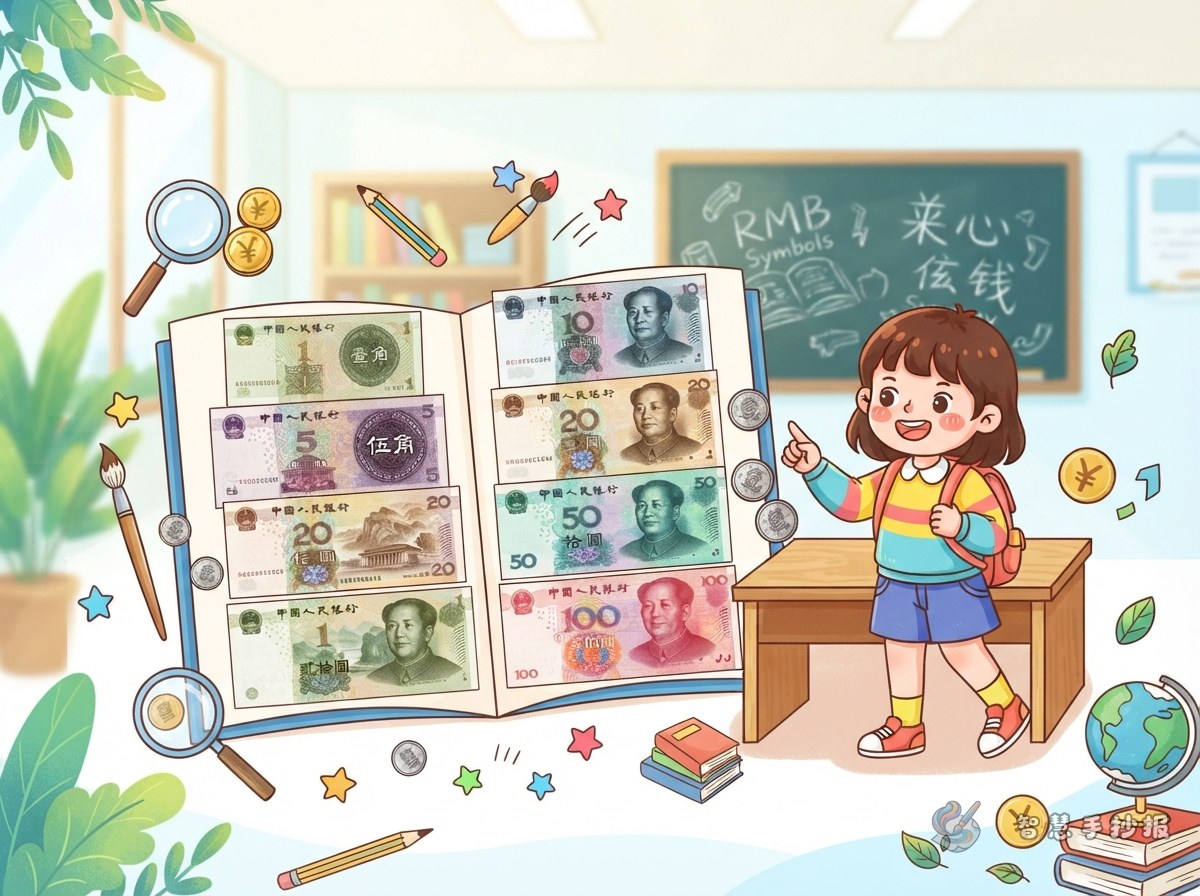
Start with a clear theme
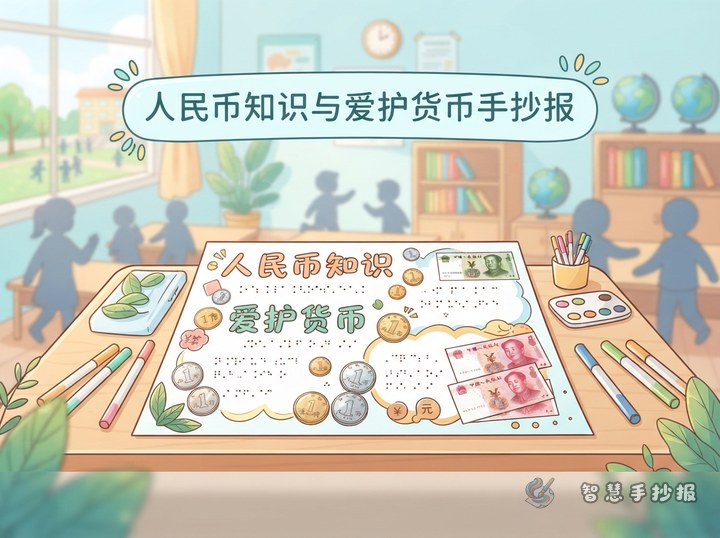
The title can directly focus on RMB patterns and denominations, with a subtitle such as “Know the RMB, Care for the RMB.” This helps readers understand at once that the page covers both money knowledge and good habits.
A simple opening paragraph can say that the RMB is China’s legal currency and is used in everyday life when buying things, paying fees, or saving pocket money. Knowing the RMB means more than reading numbers; it also means respecting and protecting it.
Section One: How to explain denominations
This part should stay short and easy to copy. Bullet points are a good choice for students.
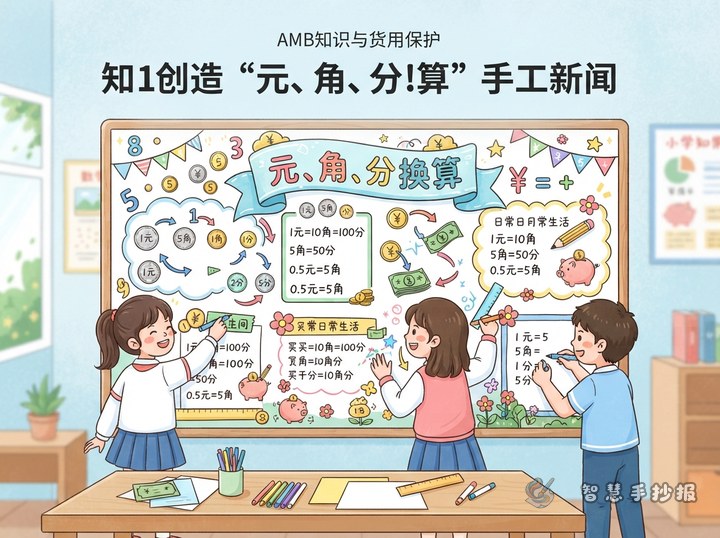
- The RMB comes in different denominations to make everyday payments convenient.
- Students can mention the relationship among yuan, jiao, and fen as basic money units.
- You can also note that different denominations have their own colors, sizes, and visual details.
If there is extra space, add a small reminder: check denominations carefully when receiving change and build careful money habits.
Section Two: What to observe in banknote designs
Many students only write that the RMB is important, but design observation makes the handwritten newspaper more vivid. This section does not need technical language. It only needs simple “what I noticed” statements.
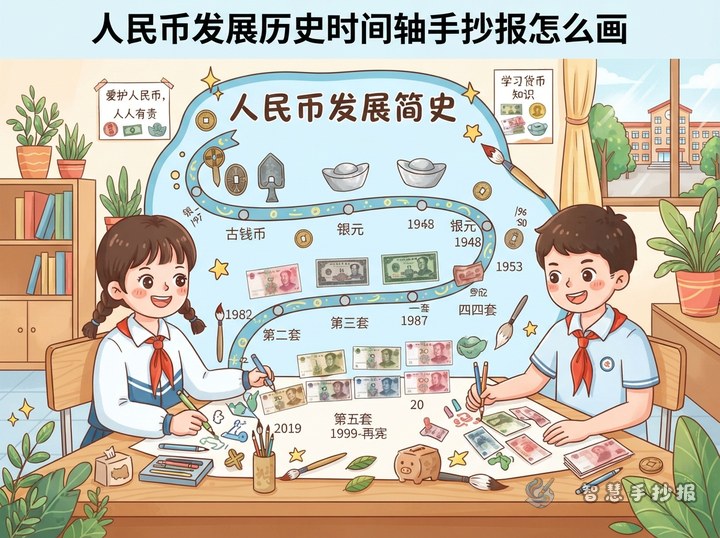
- Observe the numbers, patterns, and color differences on the banknotes.
- Notice the design features on both sides of the note.
- Add a short thought such as: banknotes are useful in daily life and also carefully designed.
This part looks especially good with number labels, small boxes, or simple borders.
Section Three: Why we should care for the RMB
This is the main educational part of the page. It can be written as “what not to do” and “what we should do.”
- Do not write or draw on banknotes.
- Do not tear, crumple, or fold them carelessly.
- Do not leave money in dirty or wet places.
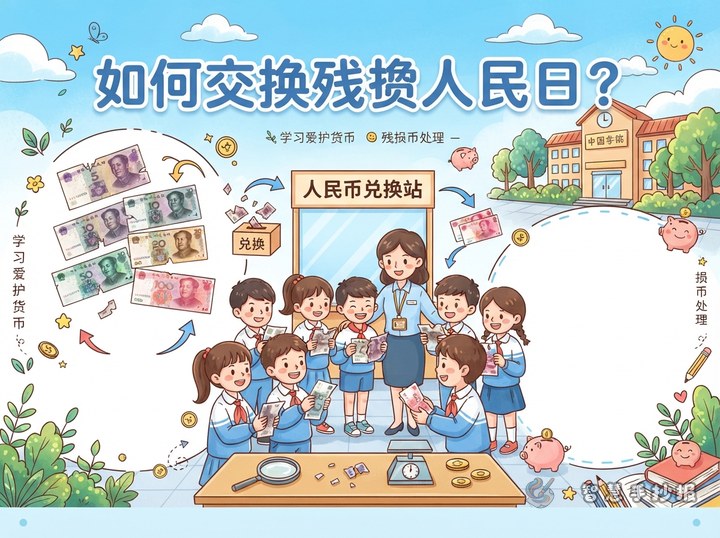
- If money is damaged, do not throw it away casually.
You may add a short sentence explaining that caring for currency also shows respect for public rules and good personal habits.
Section Four: Everyday money manners
This section can sound more practical and closer to real life.
When buying something
Check the amount before paying, count your change, and avoid stuffing notes into your pocket in a messy way.
When organizing pocket money
Keep banknotes flat and sort coins neatly to build tidy habits.
When money gets dirty or damaged
Do not continue to damage it on purpose. Ask parents or teachers for the proper way to handle it.
Short lines like “Use money politely” or “Care for the RMB from small actions” can make the page more lively.
Leave breathing space in the layout
For an A4 or larger page, place the title at the top and divide the center into two main parts: one for denominations and design observations, the other for money care and daily habits. Leave a small box at the bottom for “What I Learned.”
Color accents such as red, gold, light blue, or green work well with this topic. Decorations can include coin-shaped borders, number tags, or simple lines. Do not overcrowd the page. After finishing the draft, users can continue polishing the title, layout, and overall style in the Zhihui Shouchaobao WeChat mini program.