Start with a clear focus: explain typhoons simply
If you want a weather-themed handwritten newspaper that feels both informative and visually strong, a typhoon topic is a smart choice. A title like “What should we do when a typhoon comes?” or “How do typhoons form?” gives the page a clear direction and makes the layout easier to plan.
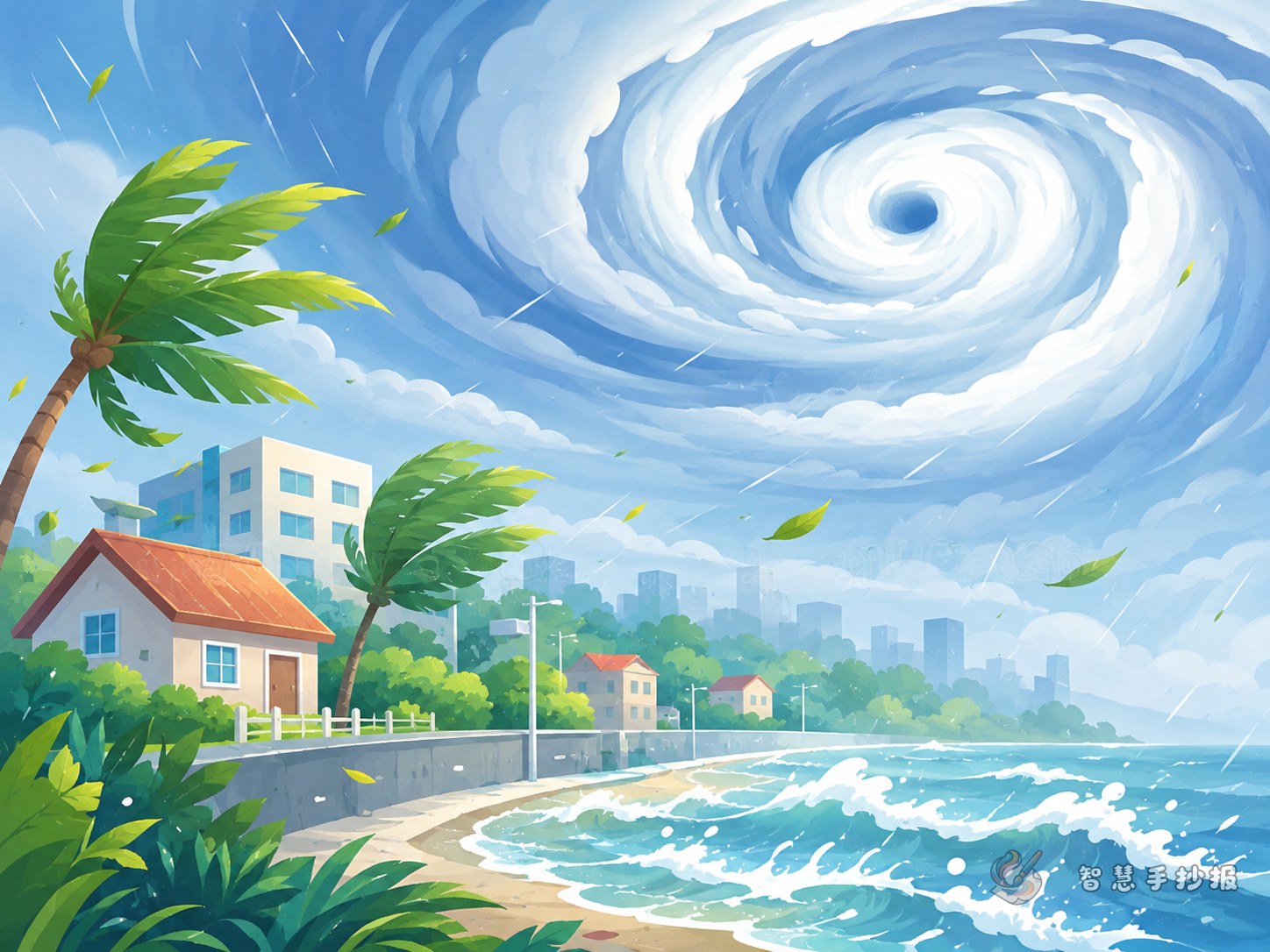
You can open with a short introduction: A typhoon is a powerful storm that forms over warm tropical oceans. It often brings strong winds, heavy rain, and rough waves, which can affect travel, school, and daily safety.
Useful sections students can write directly
Section 1: How a typhoon forms
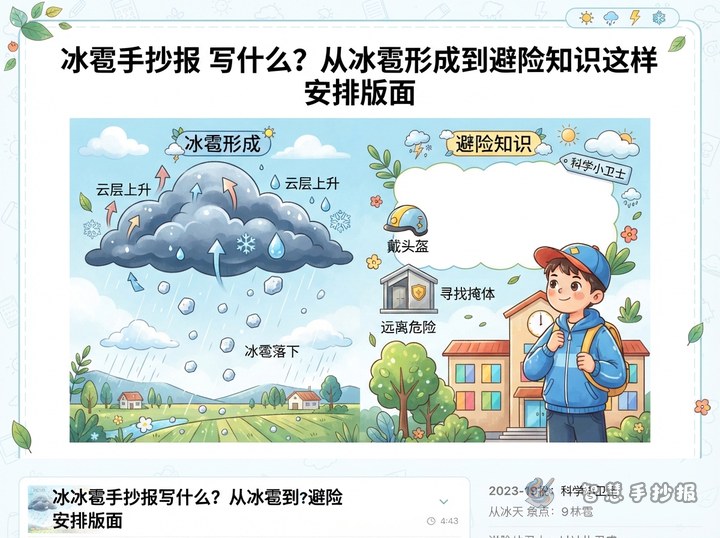
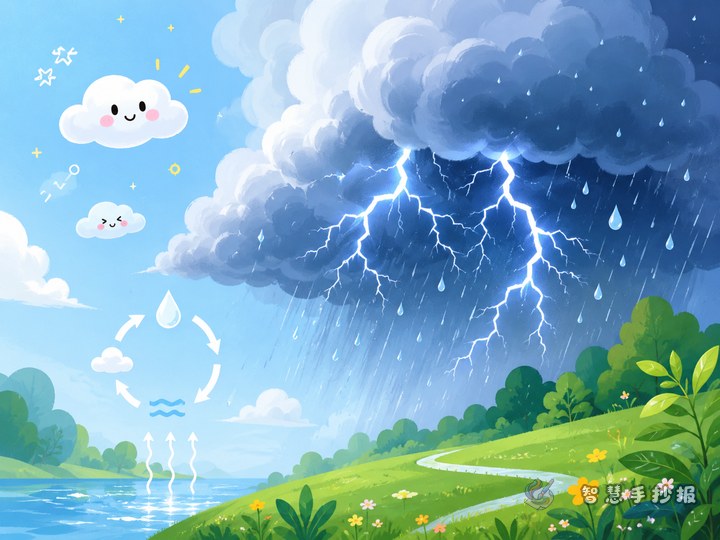
- Warm seawater keeps evaporating and provides moisture and energy.
- Warm air rises, and surrounding air moves in to fill the space.
- As the rotating air system grows stronger, it can develop into a typhoon.
Section 2: What effects a typhoon can bring
- Strong winds may break branches or blow away light objects.
- Heavy rain can cause flooding and make travel difficult.
- Coastal areas may also face big waves and storm surges.
Section 3: What to do after a warning
- Close windows and bring in outdoor items from balconies.
- Prepare a flashlight, drinking water, and basic medicine.
- Try not to go outside, especially near rivers, coasts, or low-lying areas.
- Pay attention to weather forecasts and school notices.
How to make the page look organized
This topic works well with a center-image layout. Draw a swirling typhoon cloud in the middle, then arrange sections around it such as “How it forms,” “Effects,” “Safety tips,” and “Warning signals.” Small drawings like wind, raindrops, umbrellas, houses, waves, and safety icons can make the page more lively.
For colors, blue, gray-blue, and white create a stormy weather feeling. Yellow or red can be used to highlight warnings and important safety reminders.
Short lines you can use on the poster
- Learn about typhoons and stay safe.
- Check the weather forecast and prepare early.
- Understand extreme weather and face it calmly.
- Strong wind means stronger safety awareness.
A simple way to finish the handwritten newspaper
You can end with a summary like this: A typhoon is a natural weather event, but if we understand it, watch warning signals, and prepare in advance, we can protect ourselves and our families better. This kind of ending makes the whole page feel complete and suitable for school display.
If you want to keep improving the title design, border ideas, or full-page layout, you can also continue creating in the Zhihui Shouchaobao WeChat mini program.