What this poster can focus on
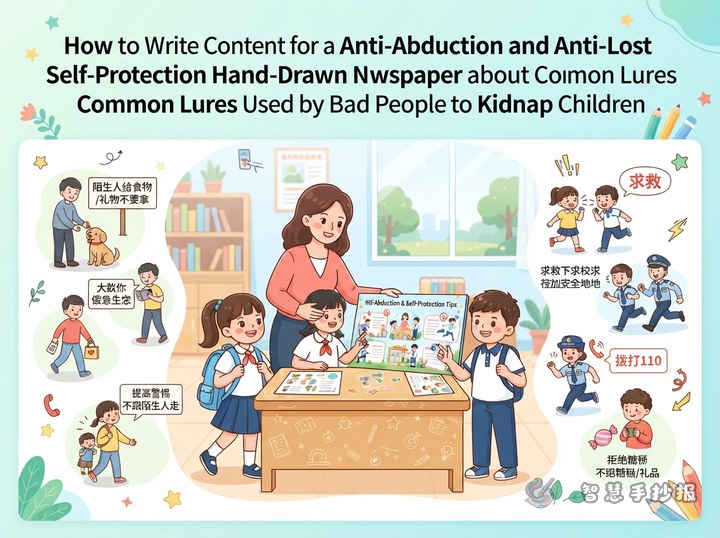
A safety poster about remembering family information and knowing how to ask for help is a practical topic for anti-abduction and anti-lost education. Instead of using only slogans, the content can be organized around three simple ideas: what to remember, what to do in an emergency, and how to practice in daily life.
You can place the main title in the center and divide the page into sections such as “My Family Info Card,” “Emergency Help Steps,” “Safe Outing Tips,” and “Mini Practice Corner.” This makes the poster useful, readable, and easy for children to present.
Ready-to-use writing materials
Family information I should remember
- Remember your full name, your parents’ names, and the general area of your home address.
- Memorize at least one parent’s phone number completely.
- Know the name of your school, neighborhood, and nearby landmarks.
- Before going out, know who you are with, where you are going, and when you will return.
What to do if I feel unsafe or get lost
- Stop first and stay calm. Do not run around blindly.
- Stay in a bright, crowded, easy-to-find place.
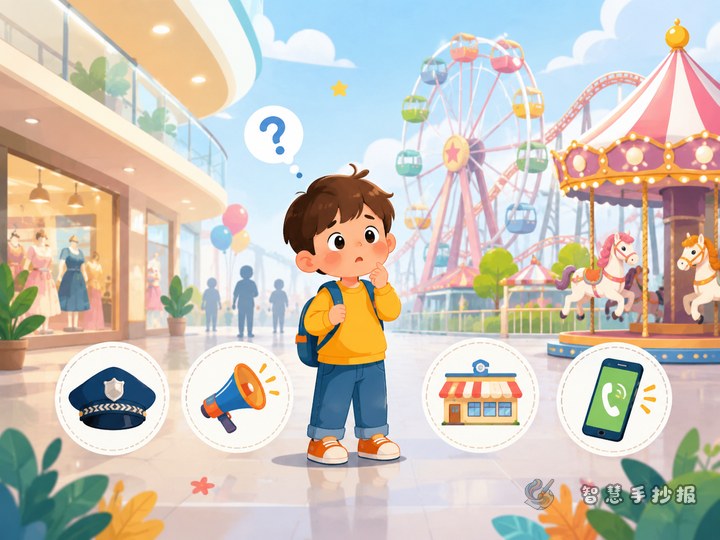
- Ask a police officer, security guard, service desk worker, or a parent with children for help.
- Say your name, your parent’s phone number, and explain clearly that you need help.
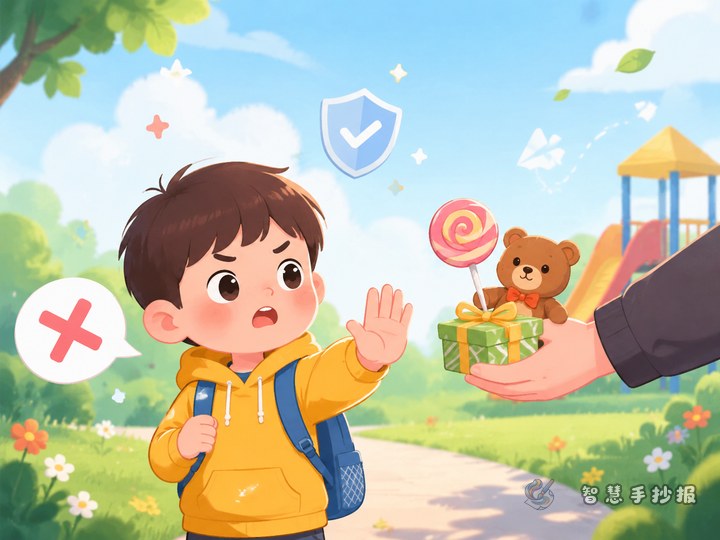
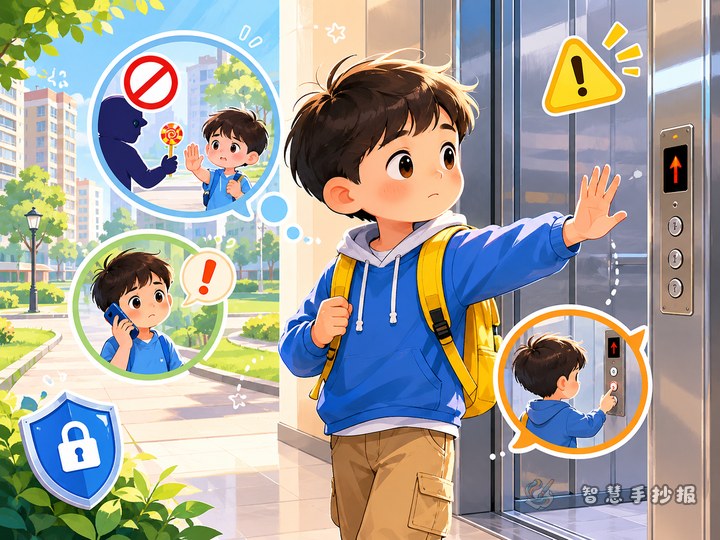
- Do not go with strangers, do not eat food from strangers, and do not get into a stranger’s car.
Short safety lines for the poster
- Remember key information, stay calm in emergencies.
- If you get lost, do not run around. Ask the right person for help.
- Keep family phone numbers in mind and protect yourself better.
- Do not trust easily, do not go away with strangers, ask for help and wait safely.
Section ideas for the layout
To make the poster feel complete, divide it into small sections with short titles that are easy for children to write and decorate.
- My Safety Card: write down what information children should remember.
- How to Ask for Help: explain whom to ask and what to say.
- Things I Must Not Do: list key warnings such as not following strangers.
- Let Me Practice: add a simple question like “If I cannot find my mom in a mall, what should I do first?”
This structure gives the poster both educational value and a classroom-friendly presentation style.
How to arrange the page and decorations
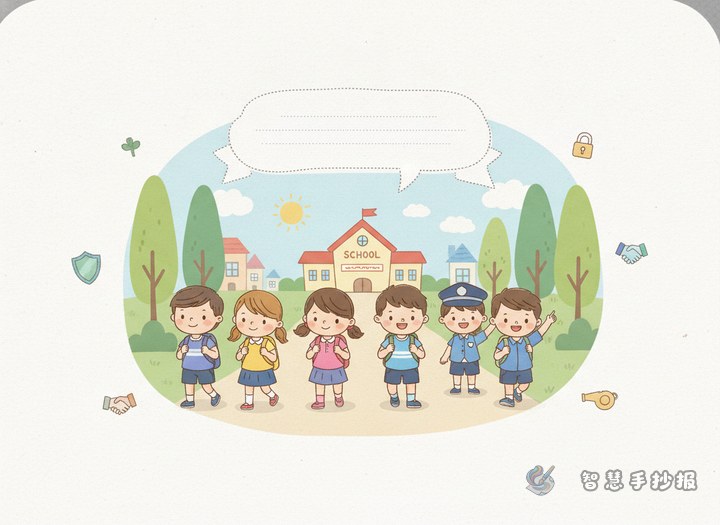
A clear layout works best: a bold title in the middle with four sections around it. Decorations can include a shield, phone, location pin, school bag, or service desk symbol. Blue, green, and orange are good choices because they look bright, calm, and suitable for school safety topics.
- Top left: “Family Information I Remember,” with a phone or house icon.
- Top right: “Steps to Ask for Help,” with a police hat or service desk drawing.
- Bottom left: “Things I Must Not Do,” highlighted with red reminder dots.
- Bottom right: “Safety Chant,” so it is easy to read aloud and memorize.
Do not crowd the page with too much text. Leave some blank space so the work looks neat. After drafting the content, you can also continue refining the layout, colors, and title style in the WeChat mini program for a more polished poster.
A simple closing message
You can end with a short and meaningful line such as: “Remembering important information is the first step in protecting yourself. Stay alert, ask for help correctly, and travel safely.” This works well as a final statement for school display.