Build the main idea first: from learning insects to caring for nature
An insect-themed handwritten paper should do more than list insect names. A better approach is to organize it around observation, classification, habits, ecological roles, and protection. Students can use titles such as “The Insect World Around Me,” “Small Insects, Big Ecology,” or “Insects on Campus” to make the theme clear and easy to expand.
If you want the page to feel complete, treat it like a mini nature study. Start with what insects are, then introduce common insects, explain how they relate to plants and food chains, and end with a simple message about protecting living things and the environment.
How to divide the page into useful sections
A center title with sections around it works well for classroom display and makes the content easy to read.
- Section 1: Insect Profile — Write basic features, such as head, thorax, abdomen, and six legs.
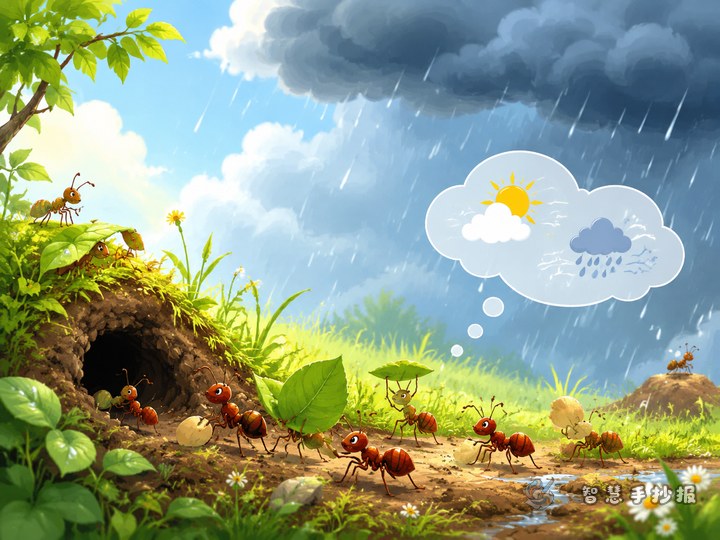
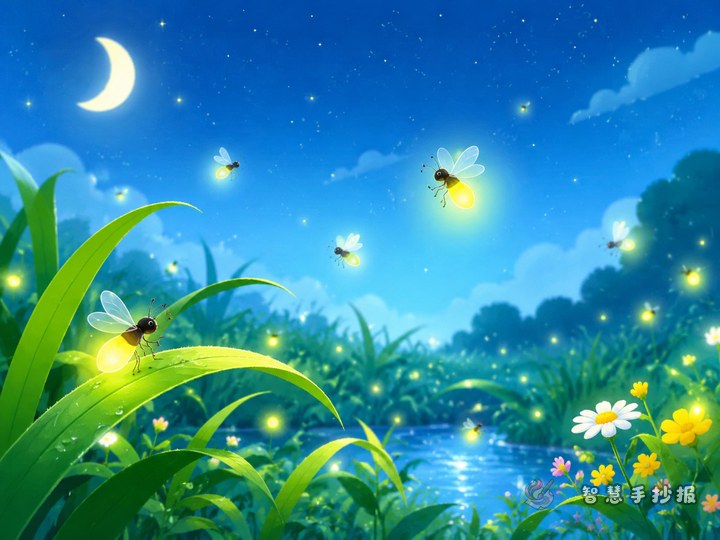
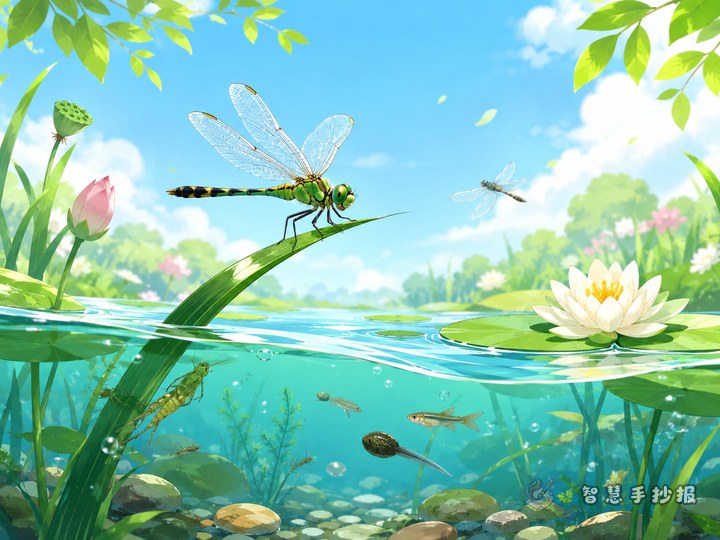
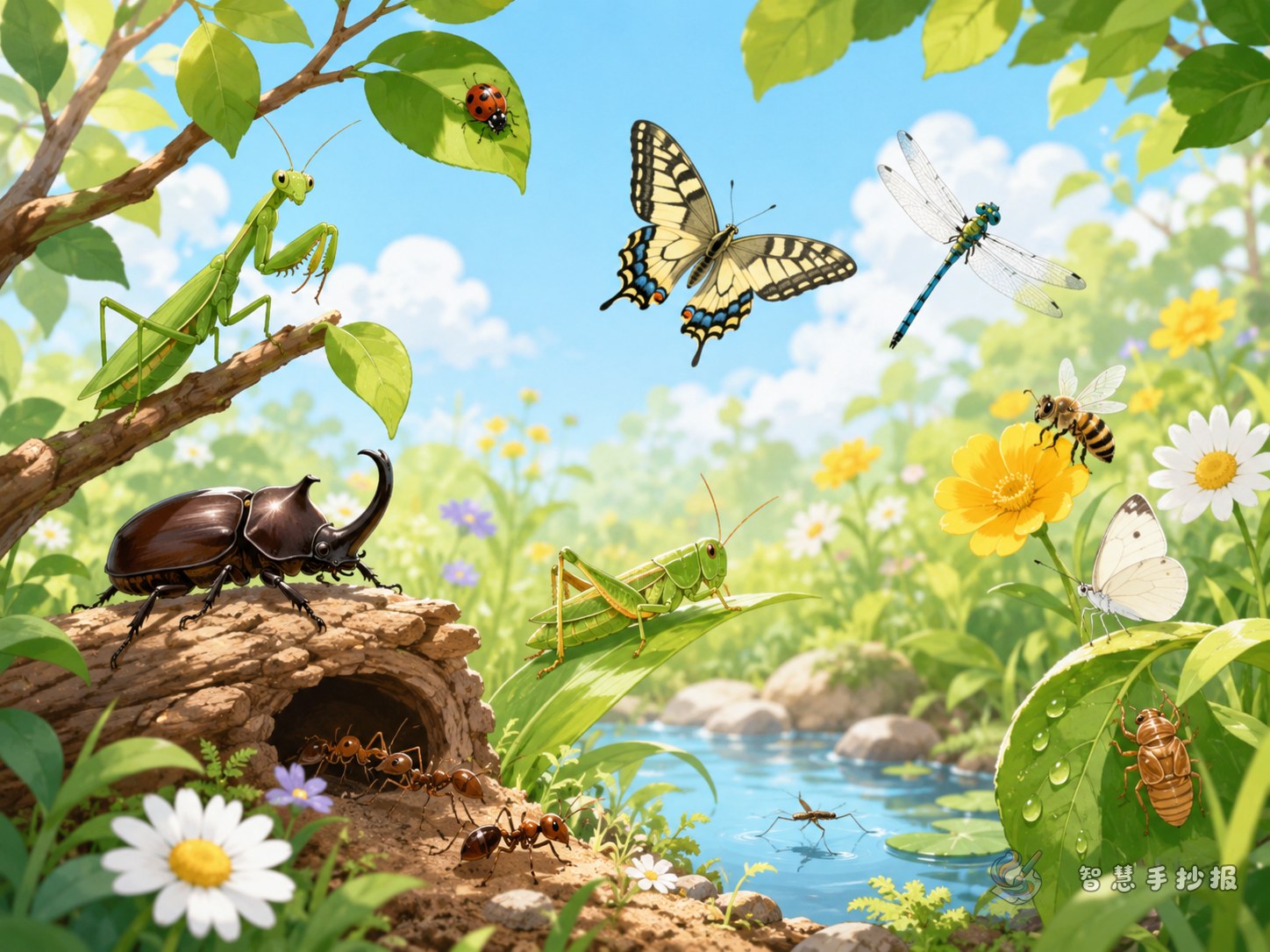
- Section 2: Common Insects — Introduce butterflies, bees, dragonflies, ladybugs, ants, and other familiar insects.
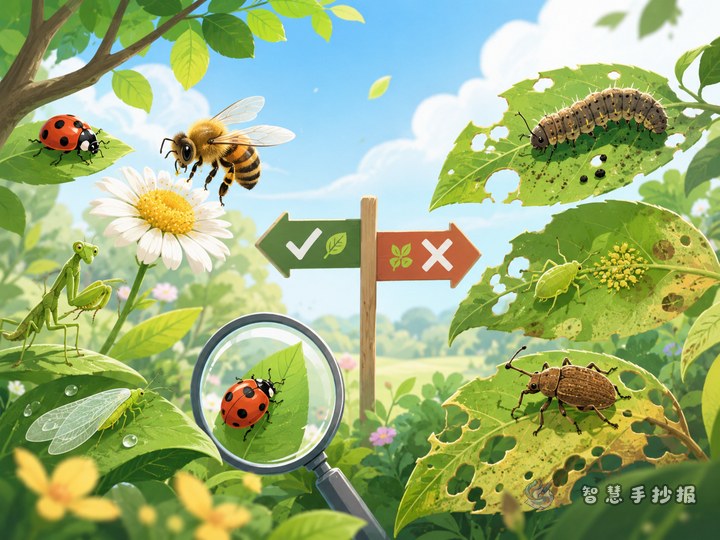
- Section 3: Insects and Ecology — Explain pollination, decomposition, pest control, and food chain roles.
- Section 4: How to Protect Them — Include simple actions like not catching insects carelessly and not damaging grass or flowers.
If there is more space, add a fun facts box or a short observation diary to make the page more lively.
Ready-to-use writing materials
Opening paragraph
The insect world is colorful and full of surprises. Although insects are small, they are closely connected to our lives, plants, and the environment. Learning about insects helps us understand nature and respect every form of life.
Basic science notes
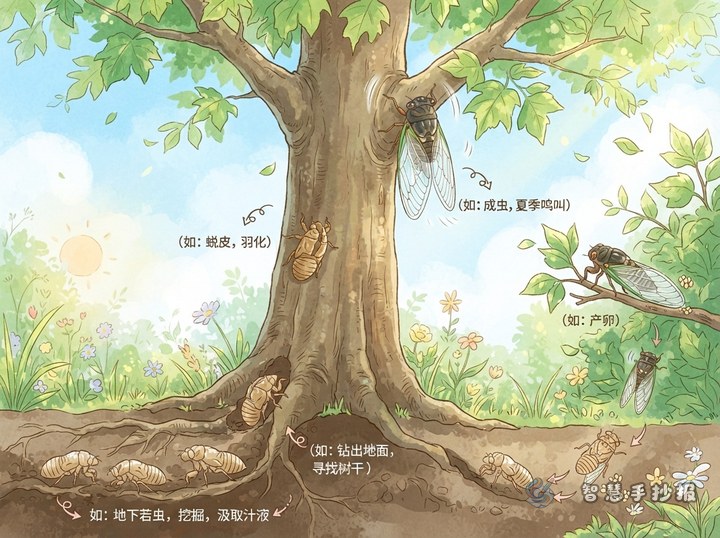
Insects are one of the most diverse groups of animals in nature. Most insects have six legs, and their bodies are usually divided into three parts: head, thorax, and abdomen. Some can fly, some crawl, and many go through different growth stages before becoming adults.
Ecology section text
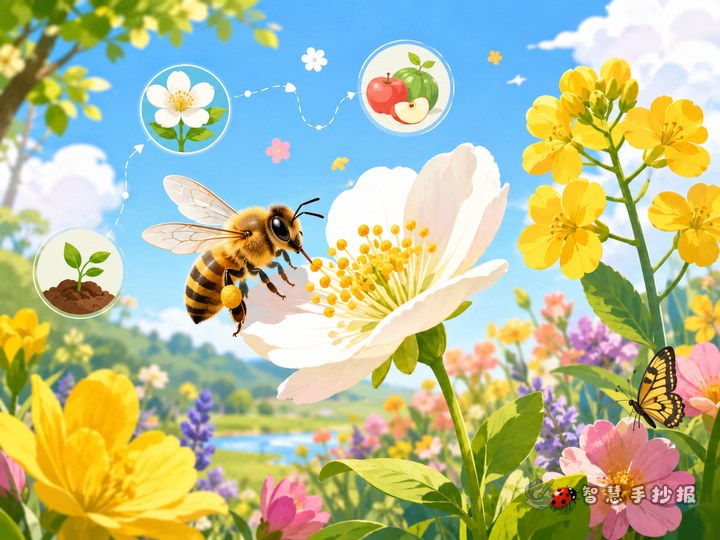
Bees and butterflies help flowers spread pollen and support plant reproduction. Some insects break down organic matter, while others help control pests. Even tiny insects play an important part in keeping ecosystems balanced.
Closing message
When we observe insects, we should be quiet, careful, and kind. Protecting insects means protecting plants, birds, and the environment we all share. Let us start from small actions and care for the living world around us.
How to make the page look more like an insect world
Use green, light yellow, and sky blue as the main colors to create a natural feeling. Make the title lively and decorate the page with leaves, flowers, grass, magnifying glasses, or honeycomb patterns.
The drawings do not need to be complicated. A butterfly, a bee, a dragonfly, and a ladybug are enough to show the theme clearly. Borders can be shaped like vines, leaves, or small garden lines to match the topic.
Details that improve the final result
- Do not confuse insects with spiders or centipedes when writing science facts.
- Keep each section short so the page stays neat and readable.
- Make the main title large and keep section titles simple.
- Include both knowledge and environmental awareness to match the ecology theme.
If needed, students can list sections first, choose short text materials, and then finish the page with matching colors and small decorations. After making a draft, they can also continue organizing ideas in the Zhihui Shouchaobao WeChat mini program for a cleaner and more complete handwritten paper.