Match the Material to the Part of the Page
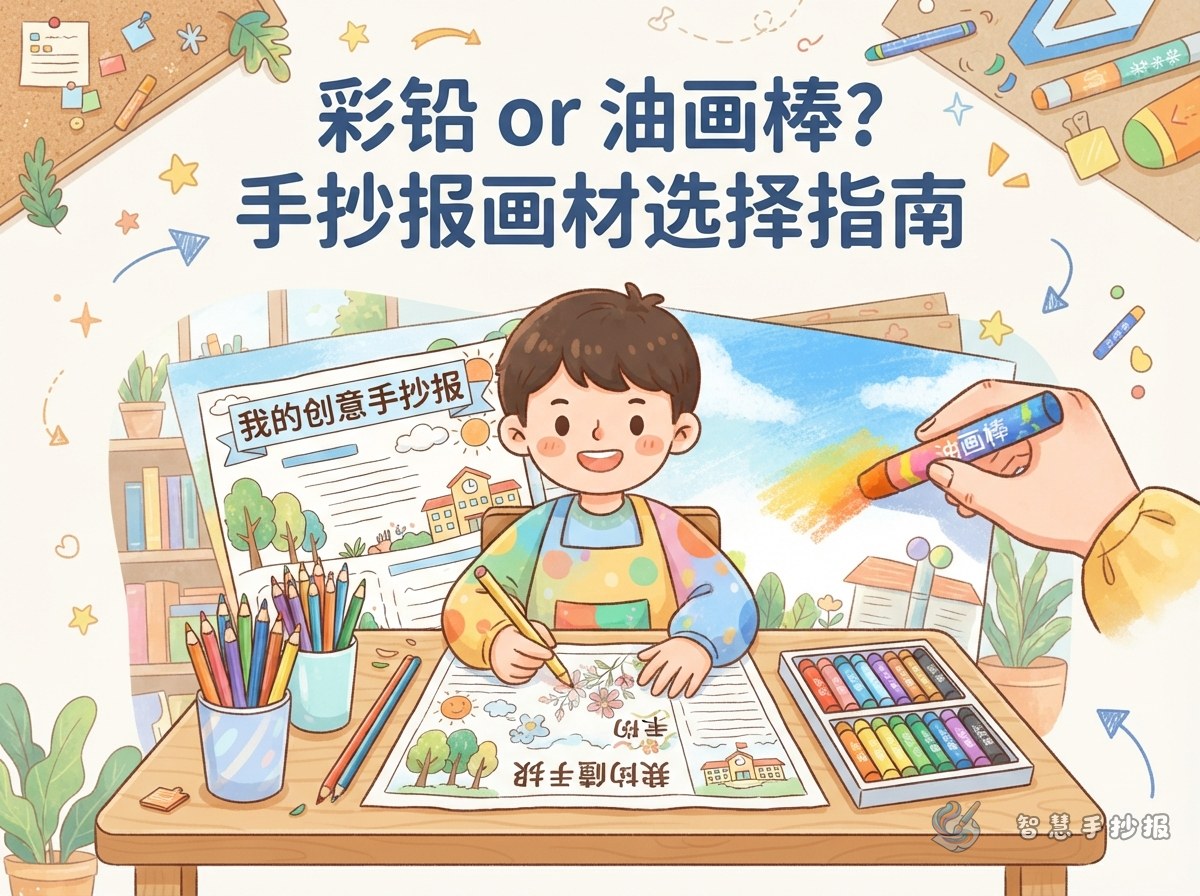
You do not need to choose only one coloring tool. Colored pencils and oil pastels perform different jobs, so assigning them to separate areas usually gives a cleaner result. Colored pencils offer control and gradual shading, while oil pastels provide bold, highly visible color.
- Title letters:Fill large letters with oil pastels, or combine two related colors inside an outlined title.
- Small illustrations:Use colored pencils for leaves, books, faces, stars, and other fine details near the writing.
- Borders and corner decorations:Draw thin borders with colored pencils and use oil pastels for thicker waves, flags, clouds, or ribbons.
- Backgrounds:Leave generous white space. If a background is necessary, a light colored-pencil layer is usually neater than heavy oil pastel coverage.
Build a Color Plan Around the Theme
Spring or Environmental Topics
Choose light green, soft yellow, and sky blue. Draw leaves, flowers, and recycling symbols with colored pencils, then use oil pastels to emphasize the main green title. Useful sections include “Small Actions for the Earth,” “Spring Through My Eyes,” and “My Daily Saving Checklist.”
Reading or School Life
Blue, orange, and warm cream create a friendly academic look. Colored pencils suit books, lamps, pencils, and student figures, while an oil-pastel bookmark shape can frame the title. Try sections such as “A Book I Recommend,” “Helpful Reading Habits,” and “My Reading Plan.”
Festivals and Celebrations
Red and yellow create energy, but they should not cover the whole page. Use oil pastels only for the heading, lanterns, or ribbons. Keep characters, patterns, and text boxes lighter with colored pencils so the writing remains easy to read.
Short Text You Can Adapt
Plan three or four content sections before drawing the decorations. Short paragraphs are easier to fit and help prevent illustrations from taking over the space needed for writing.
- Environment:Turn off lights, save paper, and sort waste. Every small daily action can help protect our shared environment.
- Reading:Set aside a quiet time to read each day. Meet new characters in books and record the discoveries that interest you.
- School life:Follow rules, speak politely, and learn with care. Kindness and responsibility help everyone build a welcoming school.
- Festivals:Explore traditional customs, share sincere wishes, and discover the meaning of culture through participation.
A Clean Coloring Order
- Lightly mark the title, writing blocks, and illustration spaces with a pencil, leaving a margin around the page.
- Write the main text and complete the line art. Check spelling before adding color.
- Lay down pale colored-pencil layers first, preserving highlights and open white space.
- Add oil pastels to the title and selected focal decorations at the end.
- Check whether any color competes with the writing. Remove unnecessary decoration instead of filling every gap.
Paper and Supply Notes
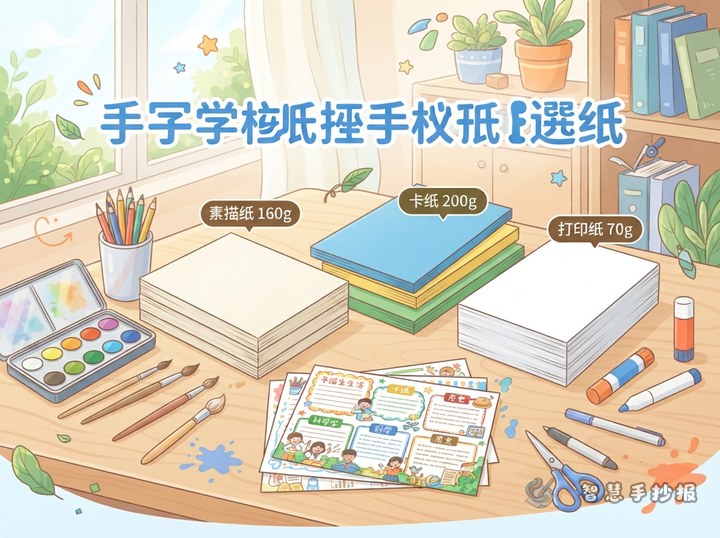
Regular printer paper is best used mainly with colored pencils, with oil pastels limited to a few small accents. Sketch paper or heavier drawing paper tolerates layered color and pressure more effectively. A practical supply set can also include a pencil, eraser, fineliner, ruler, sharpener, and a clean protective sheet.
If the section placement and number of decorations are still unclear, explore a suitable theme in Smart Handwritten Poster for layout inspiration before deciding where each coloring material should go. You can then scan the code to open the WeChat Mini Program and continue creating your poster.