Start with one question the page will answer
If you are making an Insect World handwritten newspaper, do not begin with random decorations. First decide what the page is about. You can focus on what makes an insect an insect, how common insects live, or why some insects help nature. A clear focus makes the whole page easier to organize.
Possible titles include “Into the Insect World,” “Tiny Insects, Big Wonders,” or “My Insect Kingdom Notes.” Add one short line under the title to explain the theme.
Section ideas students can use directly
Section 1: Insect Profile Cards
Pick two or three insects such as bees, butterflies, dragonflies, ladybugs, or ants. Write a few simple lines about their body shape, wings, antennae, and habits.
- Bee: Its body has three main parts. It collects nectar and helps flowers by pollination.
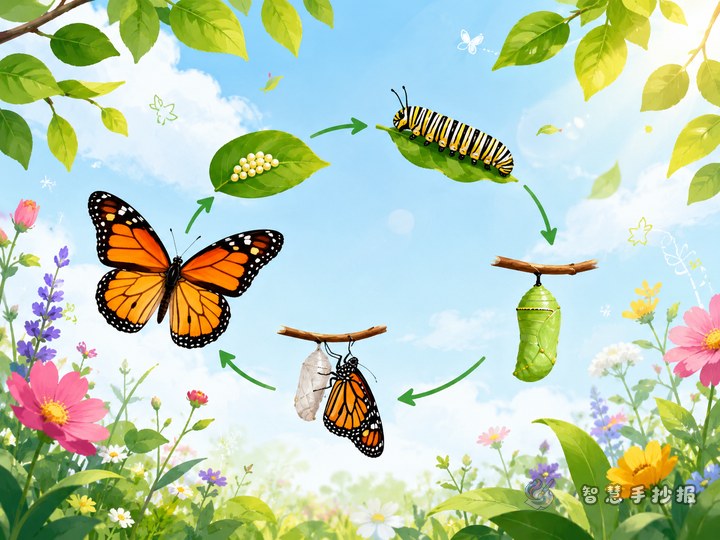
- Butterfly: It has colorful wings and changes greatly as it grows.
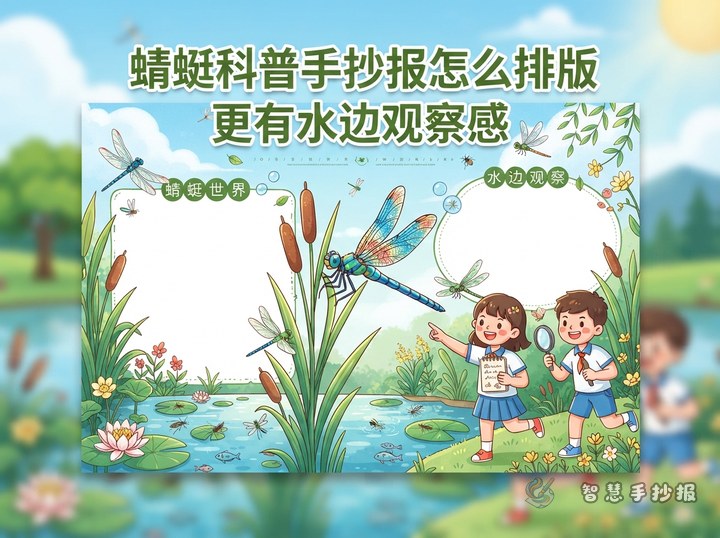
- Dragonfly: It is a strong flyer and often lives near water.
Section 2: Common Insect Features
This part is good for basic science facts. Most insects have six legs, a body divided into head, thorax, and abdomen, and usually one pair of antennae. Many insects also have wings.
Section 3: Helpful and Harmful Insects
Students can explain that insects are different from one another. Some help plants grow or eat pests, while others may damage crops. Keep the wording simple and balanced.
Short text materials for the newspaper
Opening paragraph: Insects are small, but they are one of the most common and diverse groups in nature. Some fly over flowers, some crawl on leaves, and some live in soil or tree holes. By observing insects, we can learn science and respect living things.
Observation sentence: Even a tiny insect has its own way of living. If we look carefully, nature shows us many surprising secrets.
Nature protection line: Do not catch insects carelessly, and do not damage grass or flowers. Be a student who protects the natural world.
A simple layout works better than a crowded one
This theme looks best with a bright and natural page. Try a four-block layout: place the main title at the top, insect profile cards on the left, science facts on the right, and helpful insects or observation notes at the bottom. Leave some open space in the middle for small drawings.
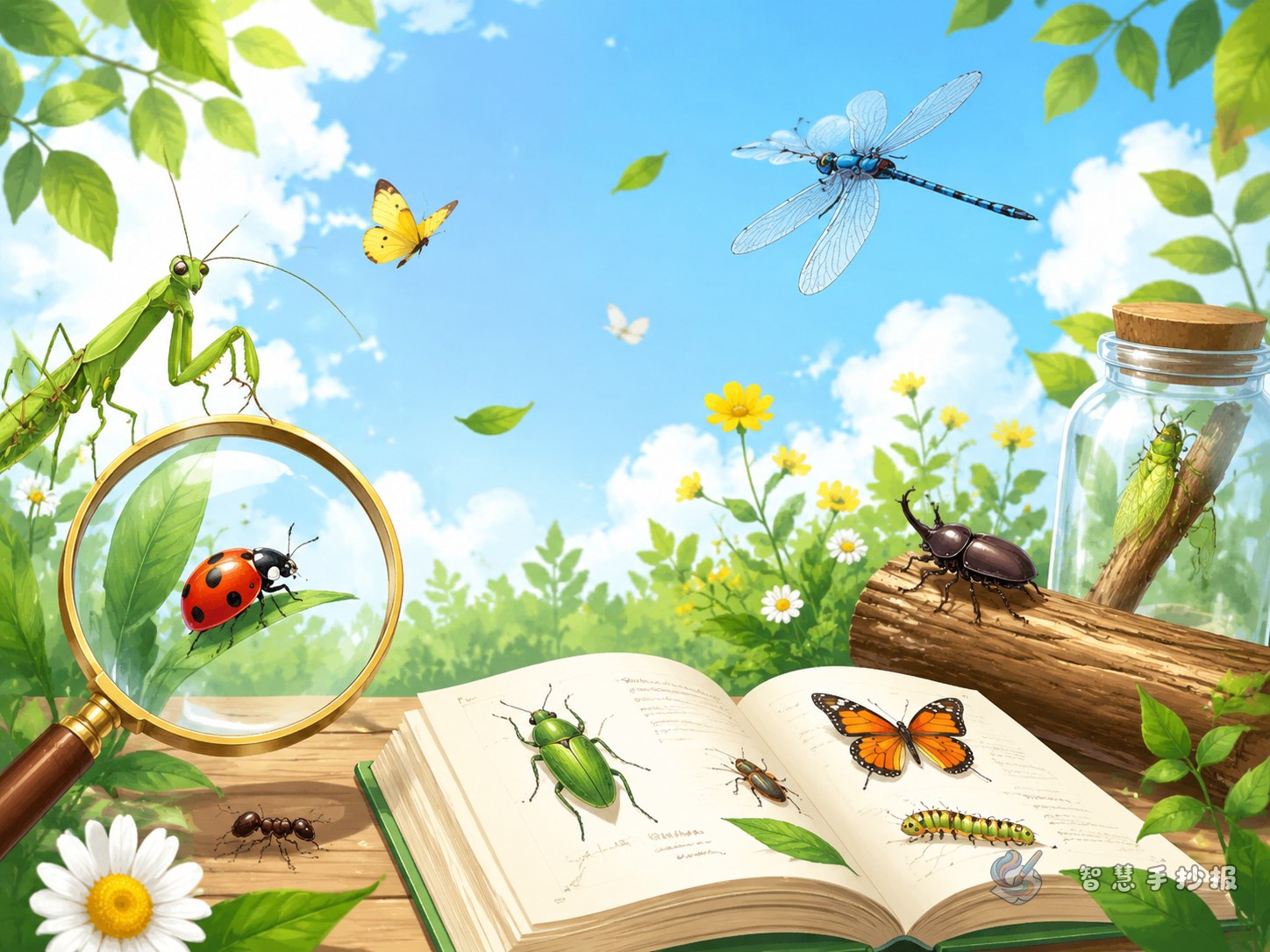
Good colors include green, yellow, and light blue. For decorations, use leaves, flowers, vines, ladybugs, butterflies, and magnifying glass shapes. Keep borders light so the page stays clean.
Make it feel like a real student project
A good handwritten newspaper should not be only copied facts. Add a small section called My Favorite Insect and explain why you like it in three to five sentences. A short observation record also makes the page more personal and vivid.
After gathering the text and section ideas, you can continue polishing the design in the Zhihui Shouchaobao WeChat mini program to complete your insect-themed page more easily.