Choose Paper Weight Based on Your Art Materials
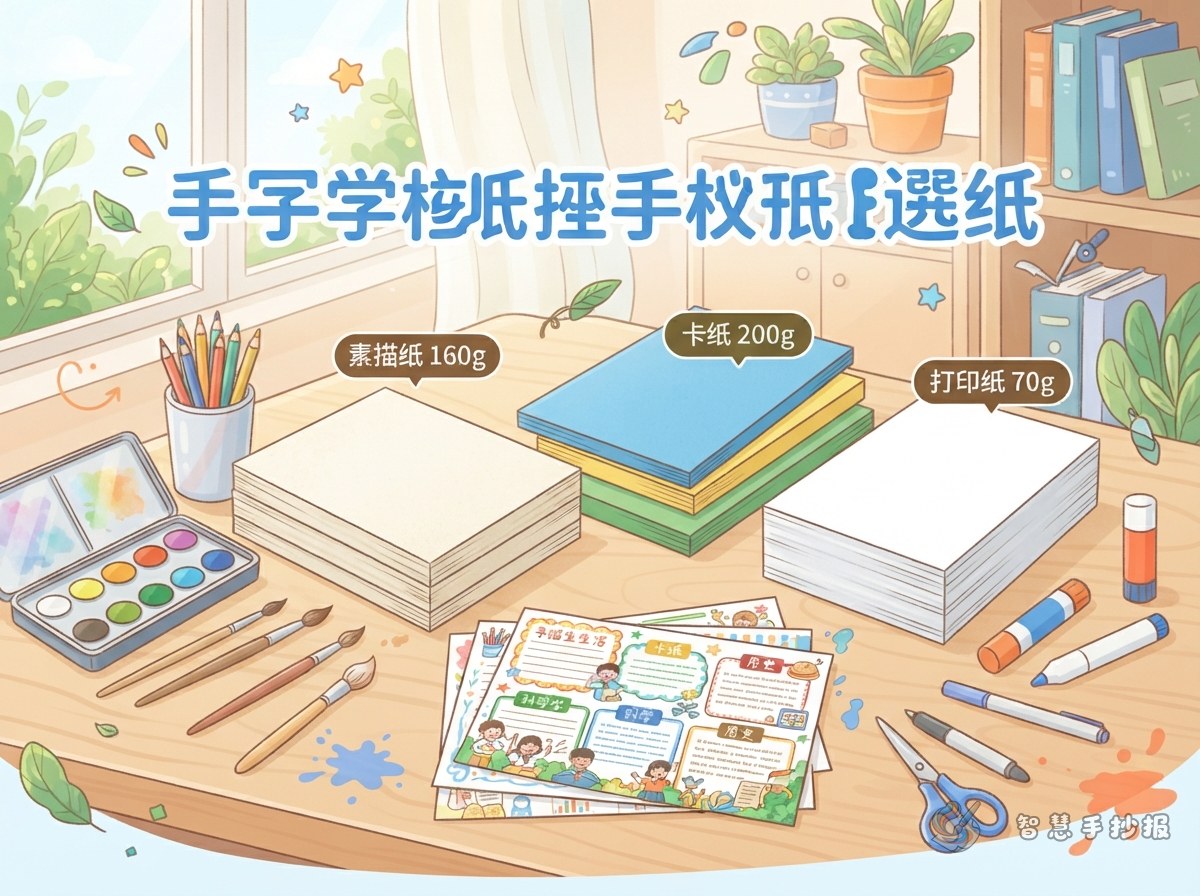
The thickest paper is not always the best choice for a school poster. Paper should match the pens, pencils, and paints you plan to use. Drawing paper or heavier printer paper works for colored pencils, fineliners, and light coloring. Large areas of marker, watercolor pen, or paint need thicker paper that resists wrinkling.
- Printer paper: Suitable for pencil sketches, black-pen writing, and light colored-pencil work, but repeated erasing may damage it.
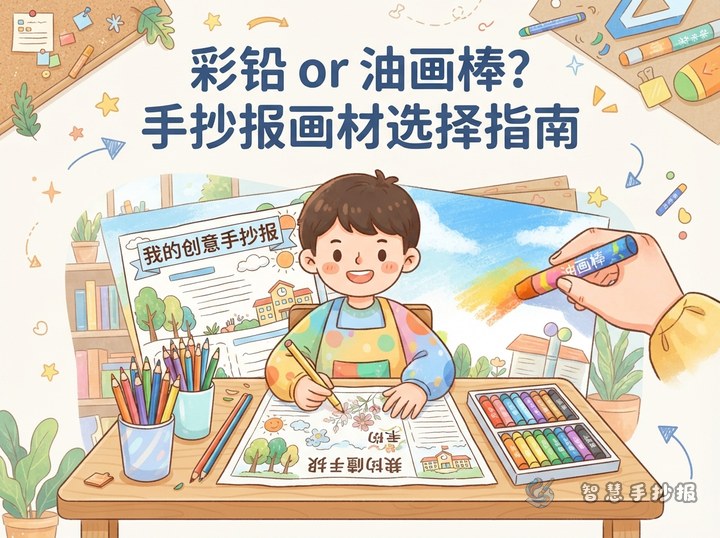
- Sketch paper: Slightly textured and sturdy, making it useful for colored pencils, oil pastels, and limited use of watercolor pens.
- Cardstock: Firm enough for classroom display and pasted decorations, although very smooth surfaces may not work well with every pen.
- Watercolor paper: A good choice for wet paint and washed backgrounds, but rough textures should be tested before writing small text.
A Practical Guide to Paper Weights
Paper weight is measured in grams per square meter and generally indicates how substantial the sheet feels. Paper around 80 gsm is best for printing and light writing. Paper between 100 and 160 gsm balances writing, coloring, and easy handling, so it suits many school assignments. Paper above 180 gsm is useful when the design includes paint, collage pieces, or long-term display.
Do not rely on the number alone. Check whether the surface is even, whether erasing damages it, and whether color shows strongly on the back. Test your outline pen, coloring tools, and eraser in one corner before starting the final layout.
Let the Surface Shape the Layout
Smooth paper supports neat borders, small handwriting, and information-heavy sections. Lightly textured paper suits nature, holiday, and community themes because colored pencils and oil pastels can create attractive layers. Cardstock works well with a top-and-bottom layout or a central title surrounded by sections. On thin paper, avoid large dark backgrounds that may make the sheet curl.
Useful Sections for the Poster
- Paper guide: Explain the basic uses of printer paper, sketch paper, cardstock, and watercolor paper.
- Material matches: Pair colored pencils, oil pastels, and watercolor pens with suitable paper.
- Paper-saving tips: Suggest sketching first, planning cuts, and turning scraps into title labels.
- Test corner: Record how each sample handles color, bleed-through, and erasing.
A Ready-to-Use Text Sample
Paper is the foundation of a well-made school poster. Smooth sheets make handwriting clear, textured sheets add depth to drawings, and heavier sheets support stronger colors and classroom display. Choosing paper after considering the art materials helps prevent bleeding, wrinkles, and repeated corrections. A planned arrangement of titles, text, and illustrations also makes the finished page easier to read.
Run a Small Test Before You Begin
- Draw a thin line, fill a small color block, and write one short sentence in a corner.
- Let the color dry, then check the surface and the back for damage or bleed-through.
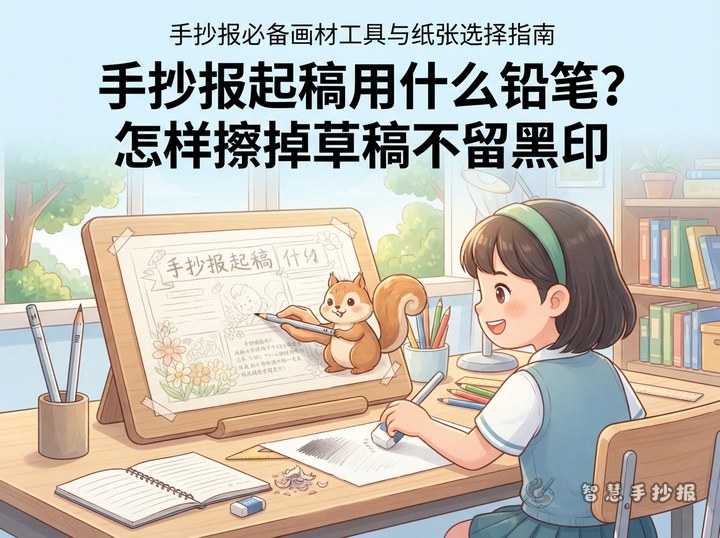
- Erase a pencil line gently to see whether the fibers lift or dark marks remain.
- Once the paper passes the test, divide the page, complete the main writing, and add color and decorations last.
To continue planning the sections and page arrangement, open the Smart School Poster WeChat Mini Program and build a poster layout that fits your chosen paper size and topic.