Start with a clear theme: beneficial insects and harmful insects
This topic works well for a handwritten newspaper because it is easy for children to understand and simple to organize on the page. The key is not just listing insects, but explaining how different insects affect gardens, farms, trees, and daily life.
You can begin with a short introduction: Some insects help pollinate flowers, break down natural waste, or eat pests. Others may damage crops or disturb people. Learning the difference helps students observe nature with care and build ecological awareness.
A practical layout for the page
To keep the poster neat, divide it into several clear sections instead of filling one large block of text.
- Helpful insects: Write about bees, dragonflies, and ladybugs, and explain what they do for nature.
- Harmful insects: Include aphids, locusts, and mosquitoes, and describe the problems they may cause.
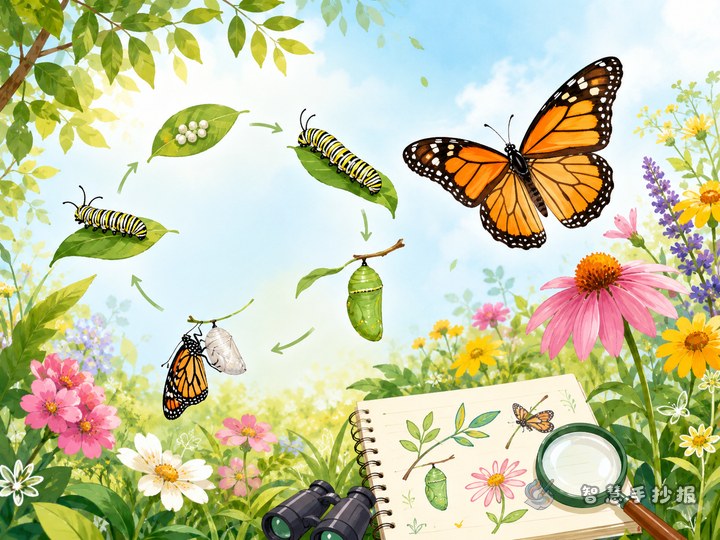
- My observation notes: Record where you saw an insect, what color it was, and how it moved.
- Eco tips: Add short reminders such as protecting plants, avoiding careless spraying, and observing insects kindly.
If you have more space, you can also add a small section about insect groups or the role of insects in the food chain.
Ready-to-use writing ideas
Helpful insects
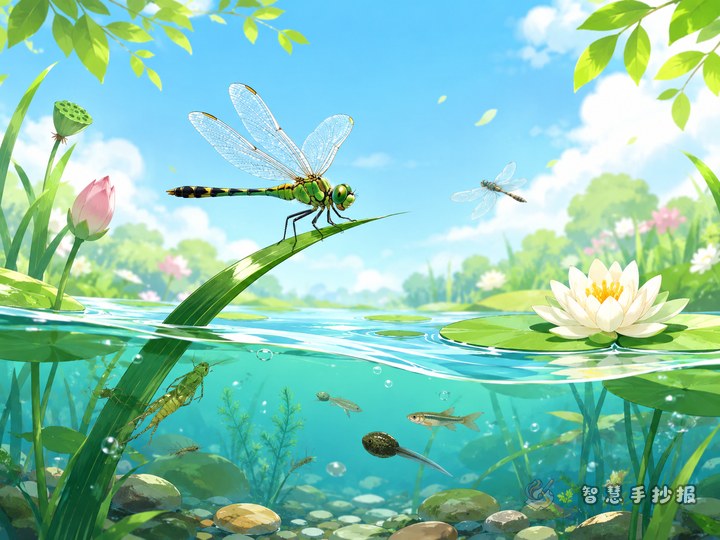
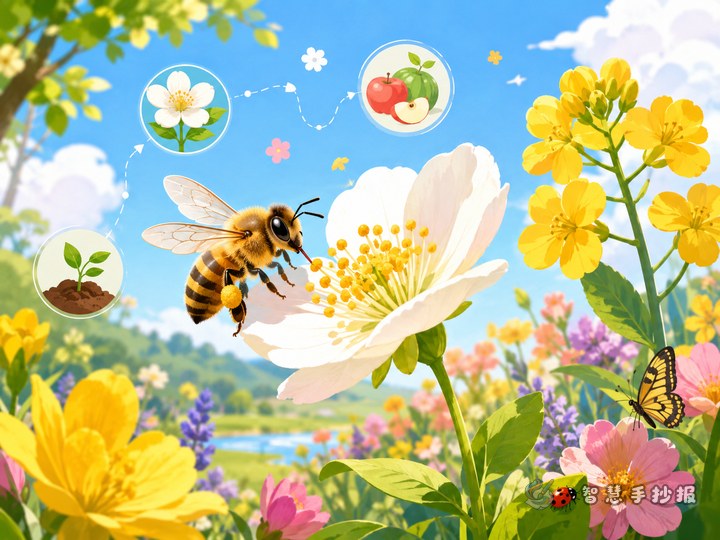
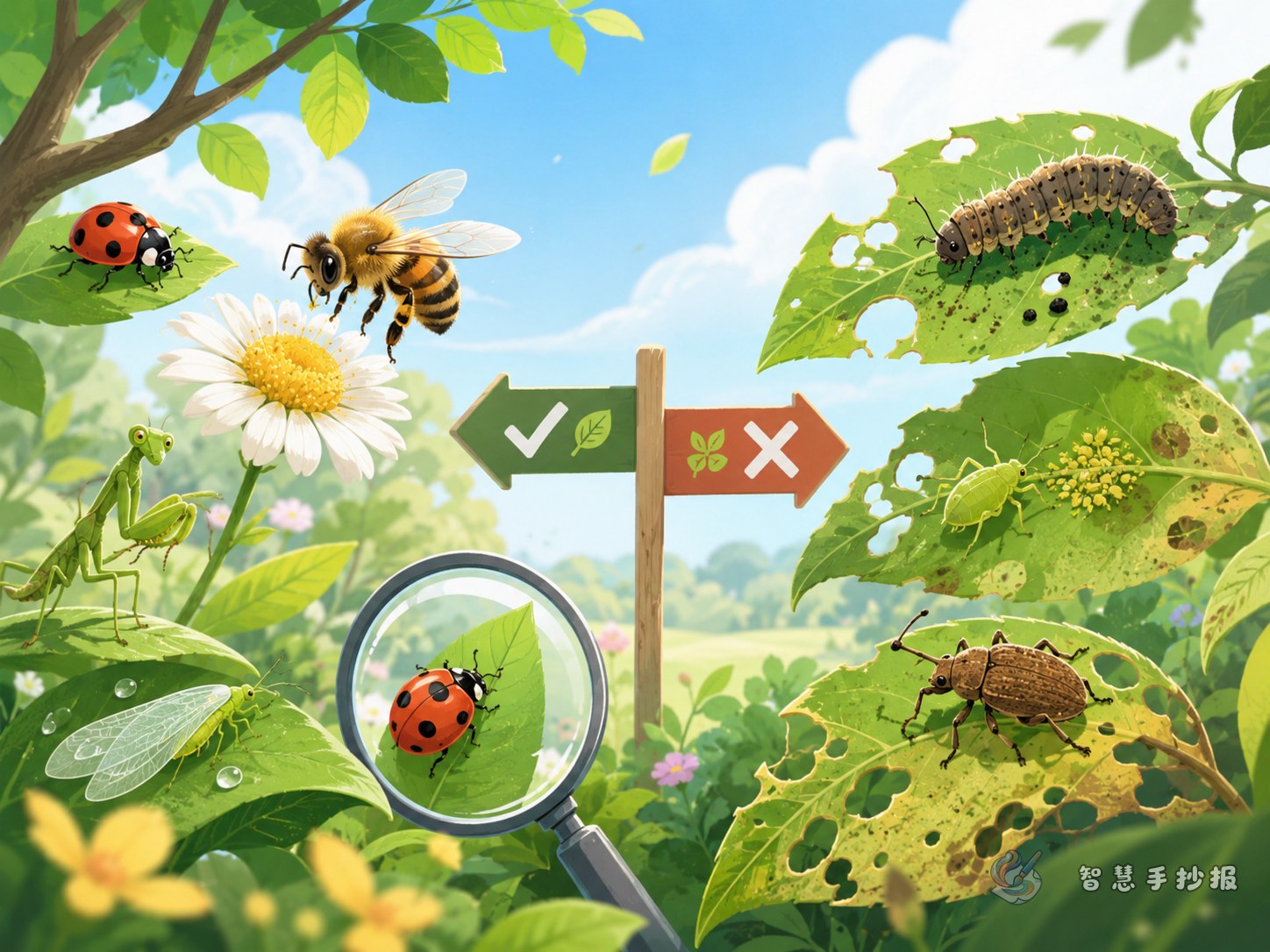
Bees help flowers make seeds and fruits through pollination. Ladybugs eat aphids and protect plants. Dragonflies catch flying insects such as mosquitoes. These examples help students understand that some insects are important friends in nature.
Harmful insects
Aphids gather on soft leaves and flower buds and suck plant juice. Locusts can eat large amounts of crops. Mosquitoes affect daily life and may spread disease. When writing this part, keep the tone factual and balanced.
Short eco-friendly lines
- Observe insects and learn from nature.
- Protect beneficial insects and support ecological balance.
- Do not harm small creatures without reason.
- Healthy plants and clean spaces give insects a home.
Drawing and decoration ideas
A side-by-side layout works especially well: helpful insects on one side and harmful insects on the other, with leaves, grass, or a magnifying glass in the middle. Another good idea is to design the page like a nature observation board, using small cards for each insect.
Use green, yellow, and light blue as the main colors to create a fresh natural feeling. Helpful insects can be matched with brighter colors, while harmful insects can use orange or light brown for contrast. Keep the drawings simple and friendly for an elementary school style.
Tips that make the poster better
- Do not label every disliked bug as harmful. Explain its effect instead.
- Add one or two personal observation sentences so the work feels real.
- Keep each section short and readable.
- Show clear insect features such as wings, antennae, and legs in your drawings.
If you want to keep improving the title design, page structure, and color matching, you can continue creating your work in the Zhihui Shouchaobao WeChat mini program.