Choose a narrower and easier angle
If you are making an insect ecology themed handwritten newspaper, a focused topic like “The Life Cycle of a Butterfly and Garden Ecology” is much easier than writing about all insects in general. It gives you a clear storyline and helps you connect growth stages, flowers, leaves, sunlight, pollination, and environmental care.
Your title can be phrased as “Why Do Butterflies Like Gardens?”, “Butterfly Life Cycle Handwritten Newspaper”, or “From Caterpillar to Butterfly: An Ecology Theme”. These sound natural and make the whole page easier to organize.
A four-part layout works well
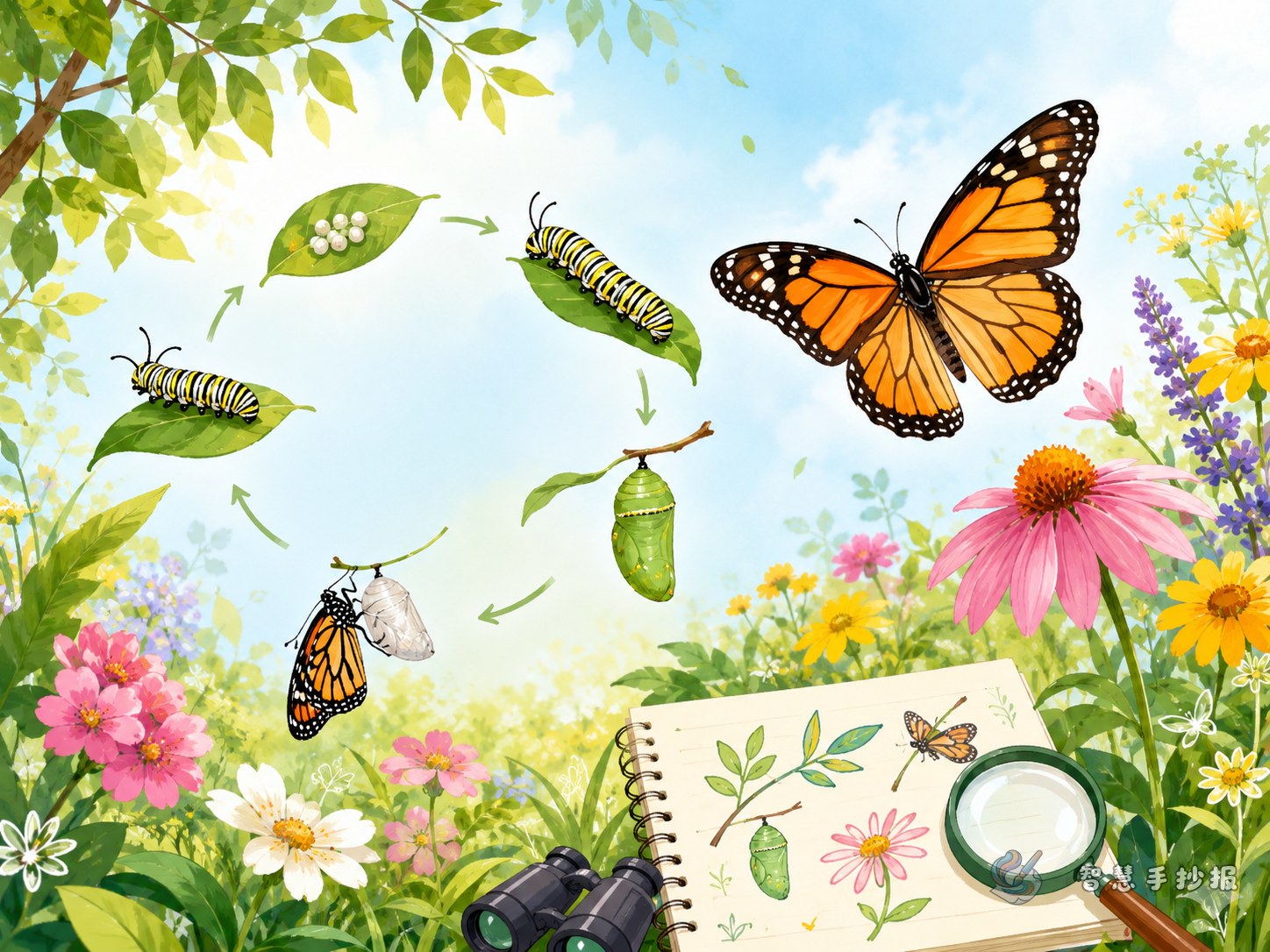
- Life Cycle Section: Introduce egg, larva, pupa, and adult butterfly with one short sentence for each stage.
- Ecology Partners Section: Explain the relationship between butterflies, flowers, leaves, sunlight, and rain.
- Observation Notes Section: Add a simple record such as time, place, color, and behavior of a butterfly you noticed.
- Protection Tips Section: Write ideas like not catching insects, not damaging grass, and not picking flowers carelessly.
You can use a center title with left and right columns, or make a circular life-cycle design in the middle to keep the theme visually strong.
Ready-to-use writing materials
Topic introduction
Butterflies are beautiful insects in nature. Their life includes four stages: egg, larva, pupa, and adult. They are not only lovely to look at, but also help plants by carrying pollen, which makes them important members of a garden ecosystem.
Life cycle facts
- Egg: A butterfly lays eggs on suitable plant leaves.
- Larva: The larva, also called a caterpillar, mainly eats leaves and stores energy.
- Pupa: During the pupa stage, the insect changes quietly inside.
- Adult: After emerging, the butterfly can fly, drink nectar, and reproduce.
Ecological role
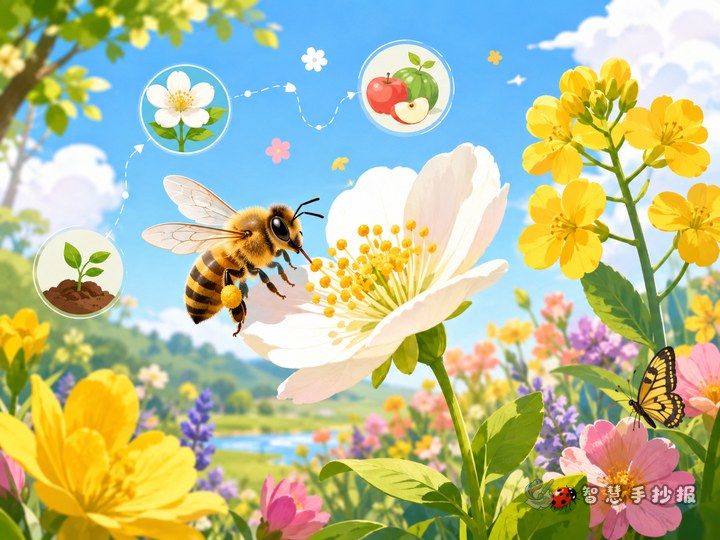
Butterflies are often active around flowering plants. While drinking nectar, they help pollinate flowers. Changes in butterfly numbers can also reflect whether an environment is healthy for living things, so they are useful for understanding nature.
Make it an ecology project, not just an insect drawing
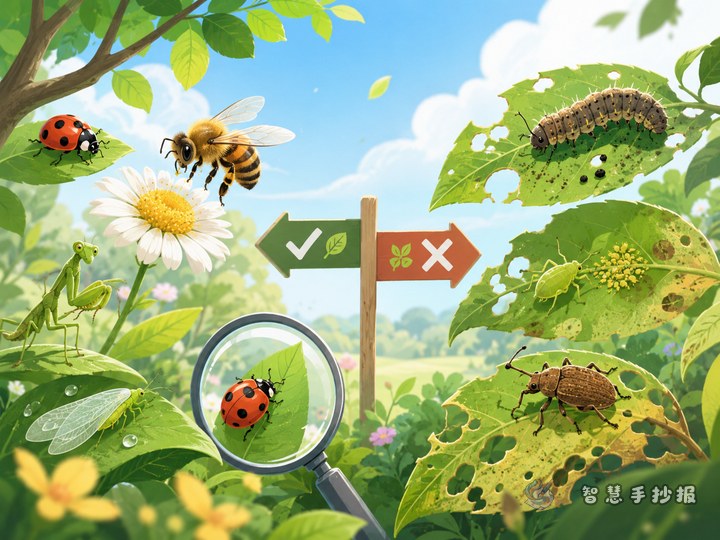
Many students decorate their page with butterflies and flowers, but forget to explain ecological relationships. To make your work more meaningful, add a short part about what butterflies need to live: nectar flowers, host plants for caterpillars, less pollution, fewer chemicals, and safe places to rest.
You can also include this key idea: Protecting butterflies means protecting the small environment they depend on. This helps connect the insect topic with real ecological awareness.
Keep colors fresh and readable
Light green, soft yellow, sky blue, and orange are good choices because they match a garden theme. Make the title larger, and decorate with leaves, flowers, and butterfly flight lines. Do not fill every empty space. A clean page is easier to read and looks better.
For younger students, use more drawings and short sentences. For older students, add a small section called “My Ecology Observation” to make the project feel more complete. After planning your content, you can also continue arranging the page in the Zhihui Shouchaobao WeChat mini program.
A strong ending sentence
You may end with this idea: Although butterflies are small, they connect flowers, plants, and seasonal change. Learning about a butterfly’s life is also a way to understand part of nature’s ecosystem. Let us start by observing the tiny insects around us and learn to respect life and care for the environment.