Turn the theme into a page with clear sections
Many students place all their writing together on one page, and the result often looks crowded. A better idea is to divide the handwritten newspaper into small sections, with each part serving a clear purpose. This makes the poster easier to read and much more attractive.
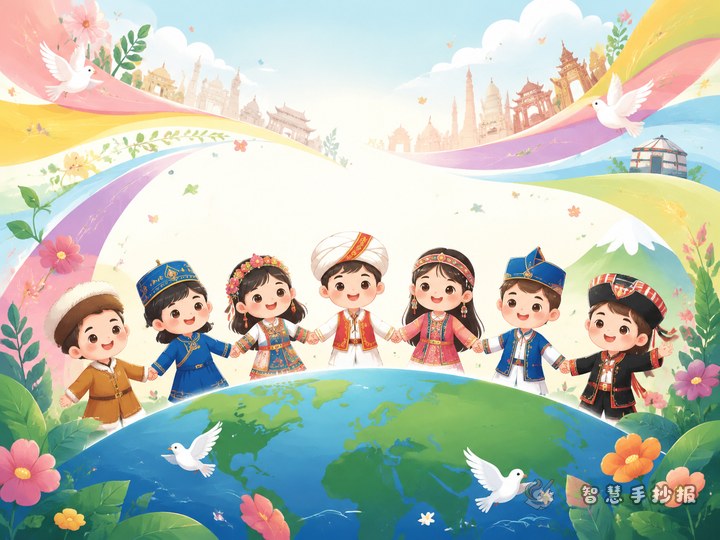
For this theme, focus on understanding, exchange, respect, and unity. The content does not need to be too complicated. What matters most is that it feels warm, clear, and suitable for school activities.
Five creative section ideas students can actually use
1. Cultural highlight cards
Use small cards to introduce clothing, food, music, dances, greetings, or customs from different ethnic groups. Each card only needs a few sentences, so the page stays neat.
- Sample line: China is home to many ethnic groups, each with its own unique culture.
- Sample line: Learning about different traditions is the first step toward respect.
2. A window for cultural exchange
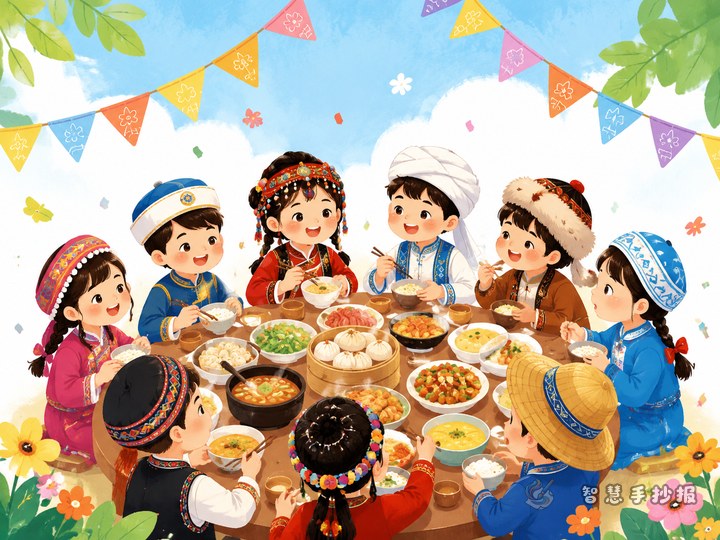
This section can show how people share culture in daily life. Students can write about singing songs together, joining school performances, learning holiday traditions, or tasting special foods.
- Joining school art and culture events together
- Sharing festival customs in class meetings
- Learning polite expressions and everyday traditions
3. Unity story corner
This part does not need a big historical story. Small examples from class life are perfect, such as helping classmates, working together in group activities, or respecting different habits.
4. Festival customs side by side
Compare two or more festivals and show how they are different but also similar. Students can point out that many celebrations express joy, blessing, togetherness, and friendship.
5. My unity pledge
This makes a strong closing section. Write a few short promises that match the theme.
- Respect the customs of different ethnic groups.
- Learn more about the richness of different cultures.
- Be friendly, cooperative, and helpful in daily school life.
Short text materials you can place on the page
If you need more writing material, choose from simple sentences like these and place them around the layout.
- Ethnic unity brings warmth to everyone.
- Cultural exchange helps us appreciate differences.
- Respecting others is a way of showing kindness.
- Unity is built through understanding and helping each other.
- Beautiful cultures shine brighter when people share them.
These short lines work well beside the title, at the end of a section, or inside small banners and labels.
A layout plan that looks full but not messy
For an A4 or larger page, place the main title at the top or in the center. Then arrange smaller sections around it. This creates a balanced structure and makes each block easy to decorate.
- Top: main title and a simple themed drawing
- Left: cultural highlight cards
- Right: exchange window
- Bottom: unity stories and personal pledge
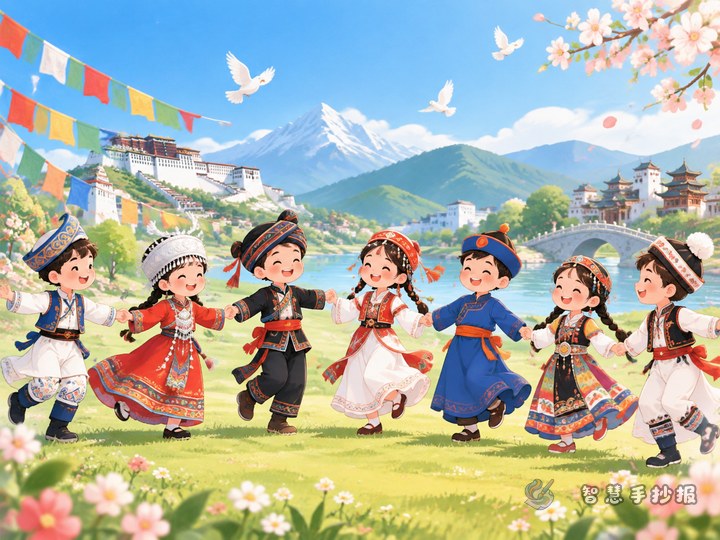
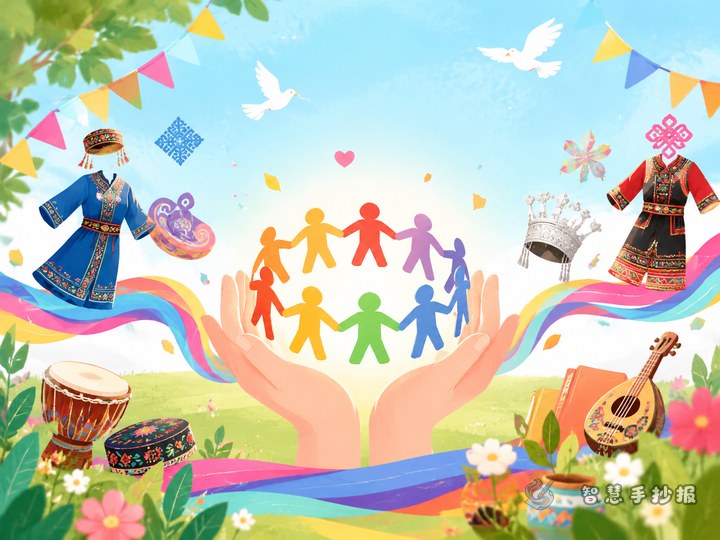
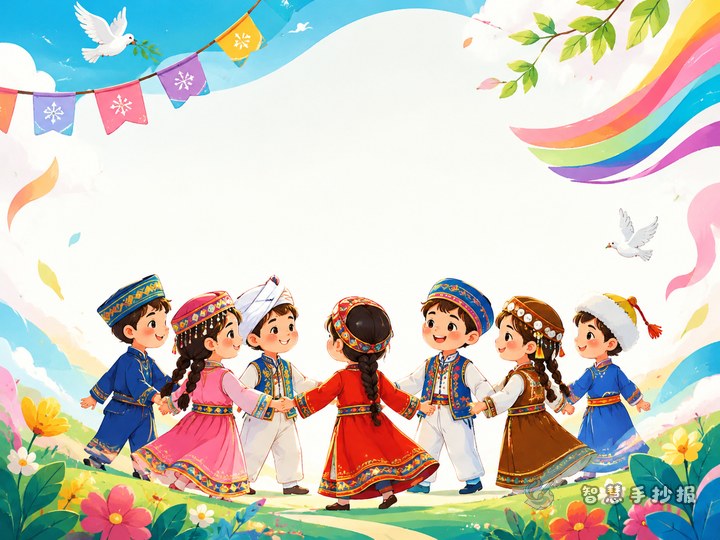
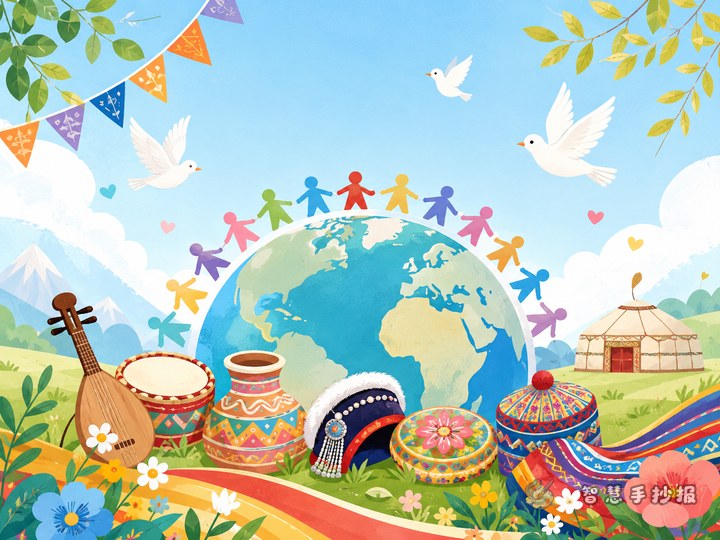
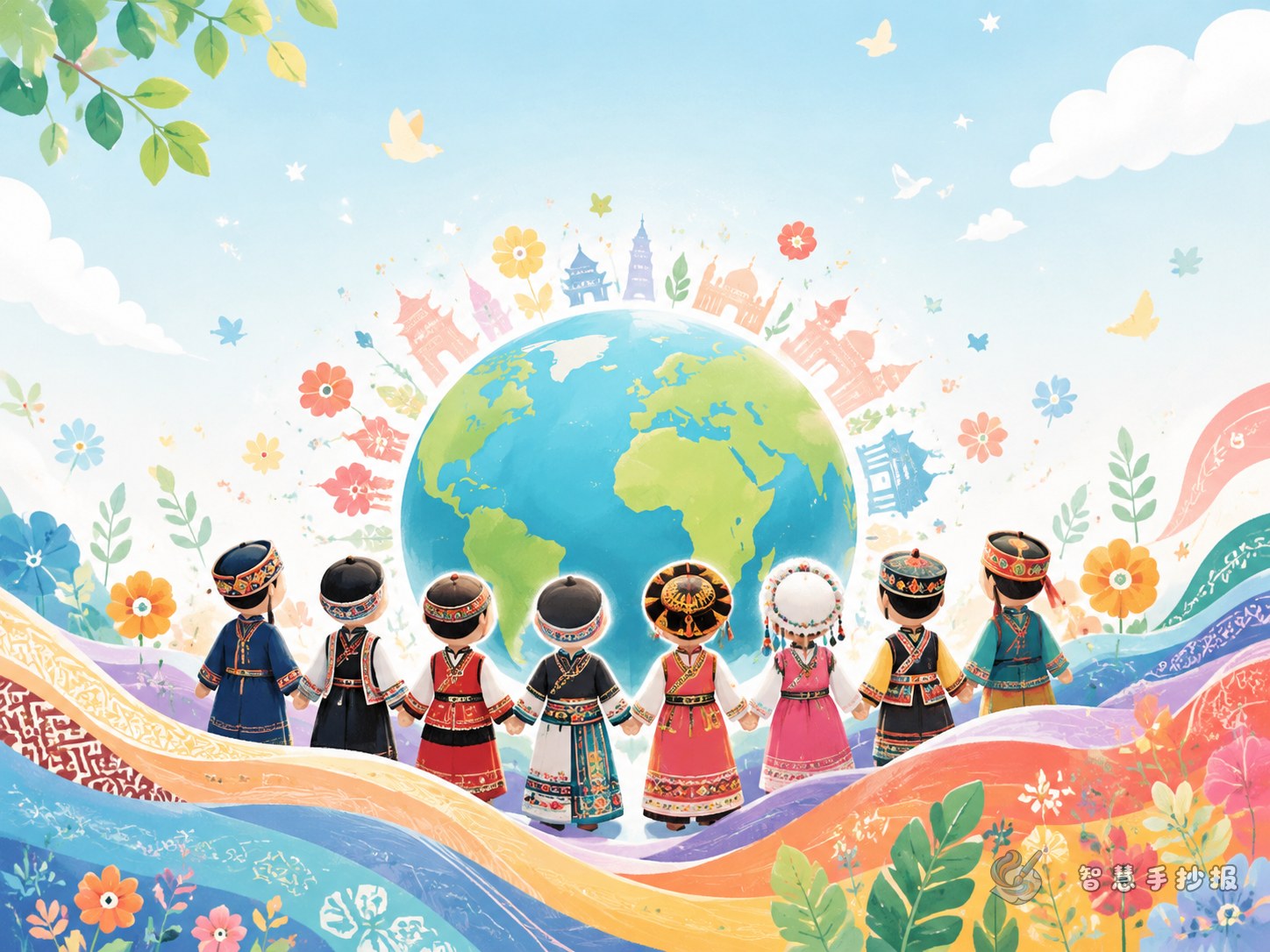
Decorations can include flowers, ribbons, handshake symbols, dancing figures, or patterned borders. Keep them simple so the writing remains the focus.
Color and handwriting tips
Warm and bright colors such as red, orange, blue, and green fit this theme well. Use one main color style for all section titles so the page looks organized. Try to keep the handwriting size steady and leave enough space between lines.
If students do not know where to begin, start with the title, then draw the section boxes, and only after that add the writing and small decorations. After finishing a draft, you can also continue refining the design in the Smart Handwritten Newspaper WeChat mini program.