Think in Real Situations
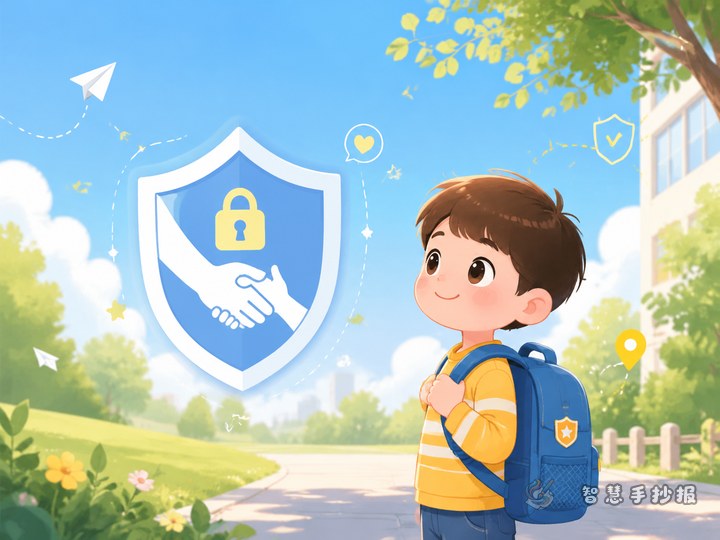
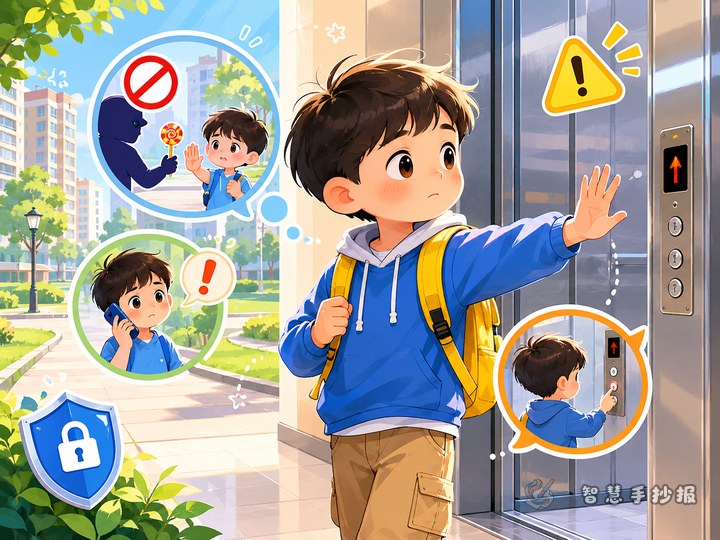
This topic works best when the handwritten newspaper is built around daily school-route situations. Instead of only writing broad slogans, students can show what to do before leaving home, while walking on the road, and after arriving safely.
This makes the content more practical and easier for classmates to remember.
Key Safety Messages to Include
- Take a familiar route: Do not choose quiet shortcuts or change routes casually.
- Stay aware: Avoid getting distracted while walking.
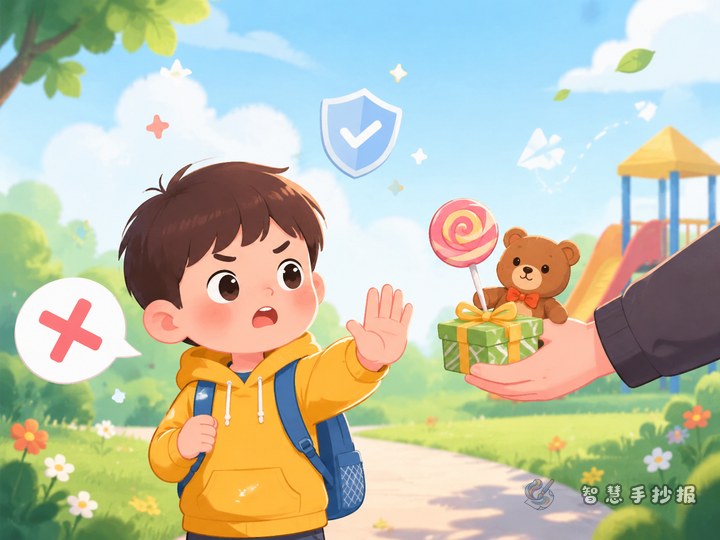
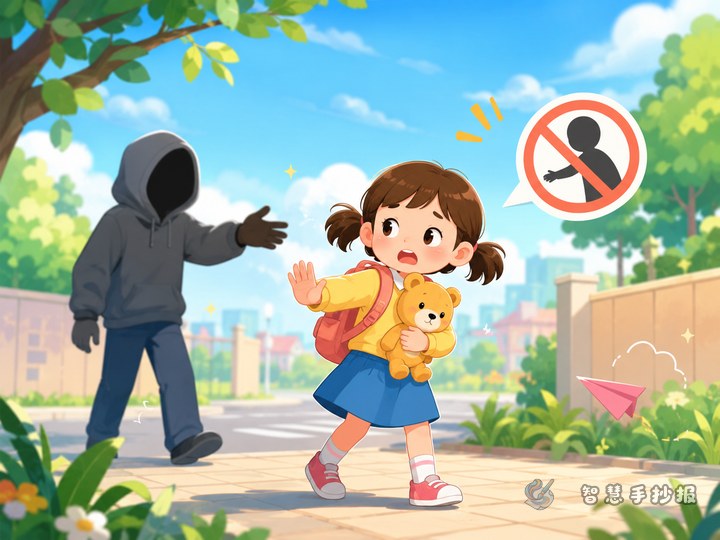
- Do not go with strangers: Even if they sound friendly, children should refuse and leave.
- Never get into an unfamiliar vehicle: If unsure, step away and ask a trusted adult for help.
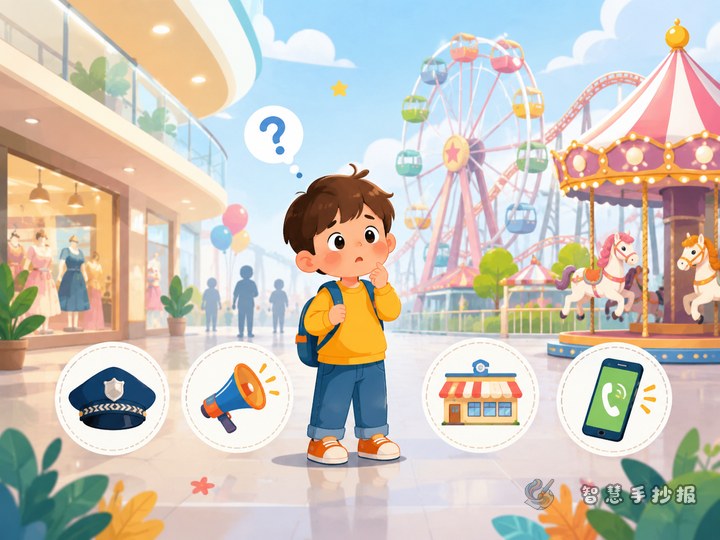
- Move toward crowded places in danger: Stores, school gates, security posts, and police stations are safer places to seek help.
Suggested Poster Sections
My Safe Route
Write down simple route rules, such as walking on the main road, crossing only at safe crossings, and staying where there are more people.
How I Say No
Students can add short lines like: “No, I will wait for my family.” “I do not know you.” “I need to ask my teacher first.” These are practical and easy to recite.
Emergency Help Steps
- Go to a bright and busy place.
- Ask police, school staff, shop workers, or security guards for help.
- Call family or use a memorized emergency contact method.
Writing Materials for the Poster
You can copy short safety reminders such as: “Do not leave the group without telling anyone.” “Do not stop for gifts or rides.” “If something feels wrong, leave quickly and ask for help.” “Safety is more important than speed.”
These lines are short enough for a handwritten newspaper and easy for younger students to understand.
Layout and Design Tips
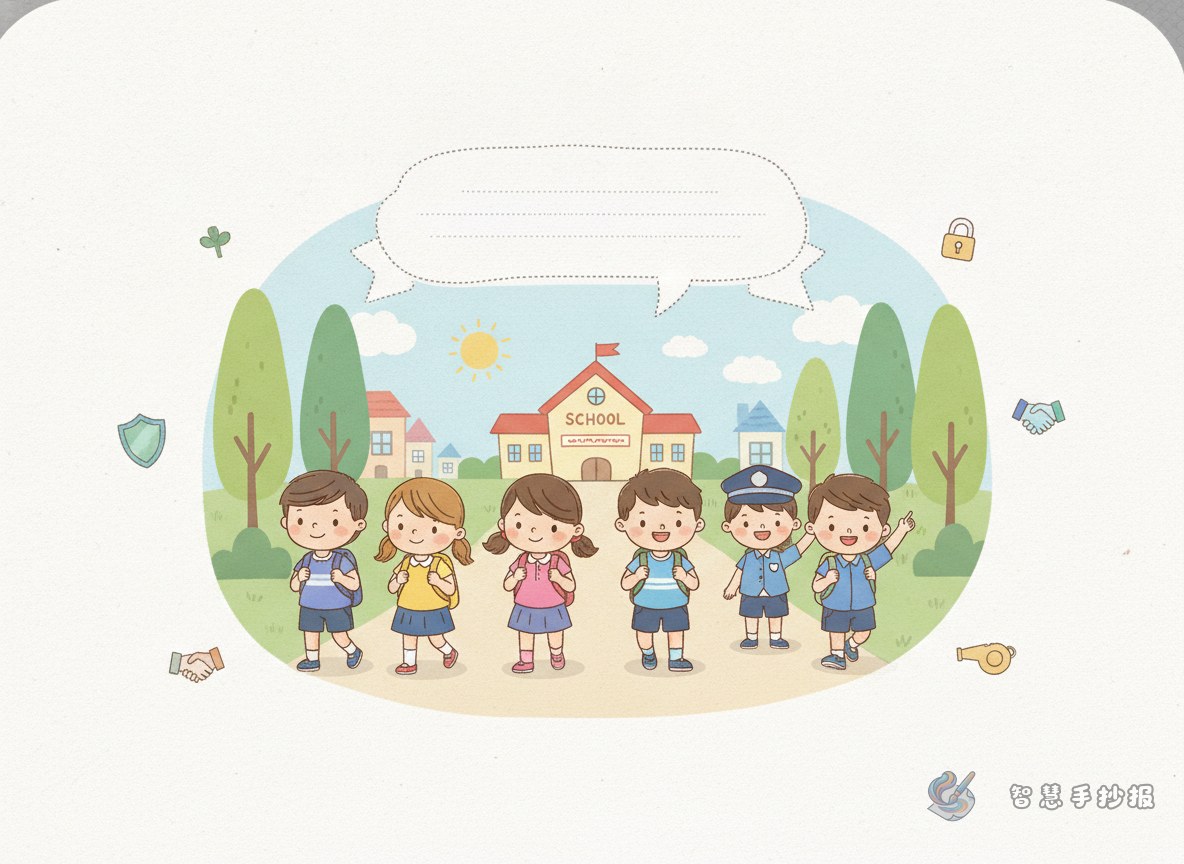
This topic suits a route-style layout. Put a path or road shape across the page and place safety tips at different points, such as home, crossing, shop, and school gate. This makes the page lively and connected to the theme.
You can also use two-column blocks: one side for dangerous situations, the other for correct actions.
How to Make It More Useful
To make the handwritten newspaper more practical, add a small area for family rules, such as who usually picks the child up, what time to return home, and where to wait if something changes. After organizing the ideas, students can continue refining the layout and wording in the WeChat mini program of 智慧手抄报 for a cleaner final poster.