Build the theme around a visible change
If you want a “floating egg” science poster to feel like a real handwritten newspaper, start with the most eye-catching part: the same egg sinks in plain water but may rise in salt water. This clear contrast is easy for children to show with both drawings and short explanations.
The main title can focus on the question “Why does an egg float?” and a subtitle can be “A simple salt water density experiment” or “What I observed in a sinking and floating test.” This makes the poster sound scientific while still being easy to understand.
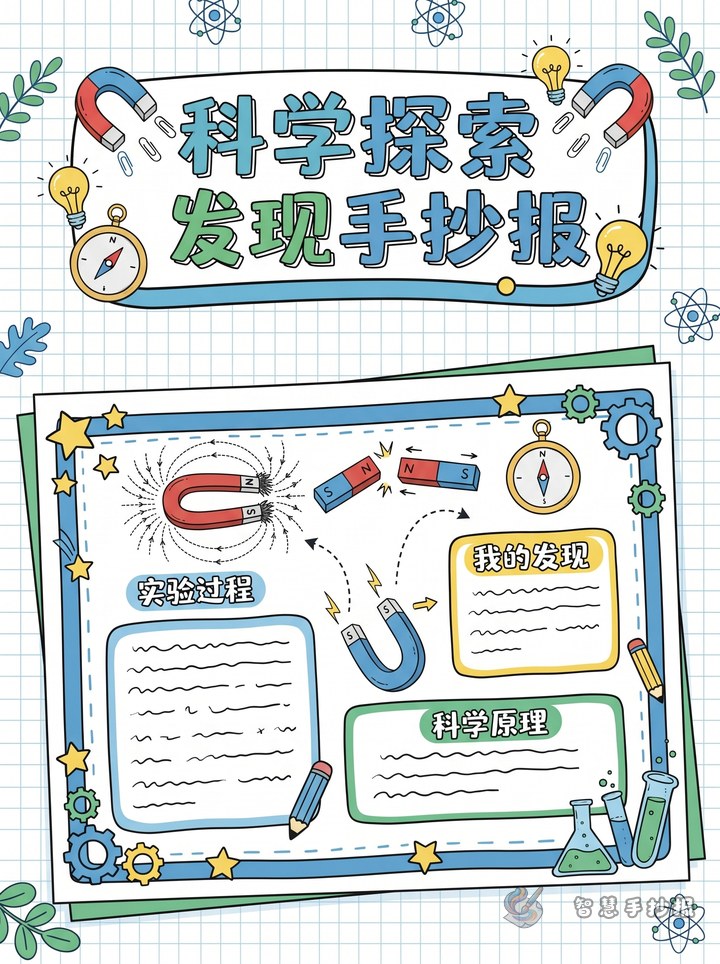
Useful sections to include on the poster
- Materials: egg, clear cup, water, salt, spoon.
- Steps: place the egg in plain water first, then add salt little by little and stir.
- What I observed: the more salt added, the easier it was for the egg to rise.
- Science point: salt water can support objects better than plain water.
- Real-life connection: why people float more easily in seawater.
Each section only needs a few sentences. That is enough to make the poster organized and complete.
Ready-to-use writing ideas
You can begin with: I did a fun sinking and floating experiment. I found that an egg sank in plain water, but after I added salt, it slowly floated up. This showed me that when the properties of water change, the behavior of an object in water can change too.
For observation notes, write: At first, the egg rested at the bottom of the cup. After adding a little salt, it still did not float. When I added more salt and stirred gently, the egg began to lift and finally moved close to the surface. The change was very clear.
For your conclusion, write: Science experiments do not always need difficult tools. With simple materials from daily life, we can still discover interesting scientific facts. This small egg experiment made me enjoy science even more.
Poster layout ideas beyond one simple cup drawing
This topic works well with a side-by-side comparison layout. Draw the egg in plain water on one side and the egg in salt water on the other. Use arrows to show the change from sinking to floating. Place the main title in the center so the focus is clear.
You can also divide the page into three blocks: materials, experiment process, and explanation. Small decorations such as water drops, salt crystals, bubbles, or magnifying glasses can make the page look lively. Blue, white, and light yellow are good color choices for a clean science style.
How to make it sound like a real discovery
To make the poster more interesting, do not only say “It was fun.” Write what you noticed step by step. For example: I thought the egg would stay at the bottom, but when enough salt was added, it slowly floated up. That kind of sentence gives the work a stronger exploration feeling.
You can also add a small question box, such as “Will a cherry tomato float too?” or “Will warm water and cold water give the same result?” Open-ended questions make the poster feel more like scientific inquiry.
If you want to keep improving the title style, section arrangement, and overall layout, you can continue making your poster in the Zhihui Shouchao Bao WeChat mini program.