Start with a clear focus: explain the volcano experiment
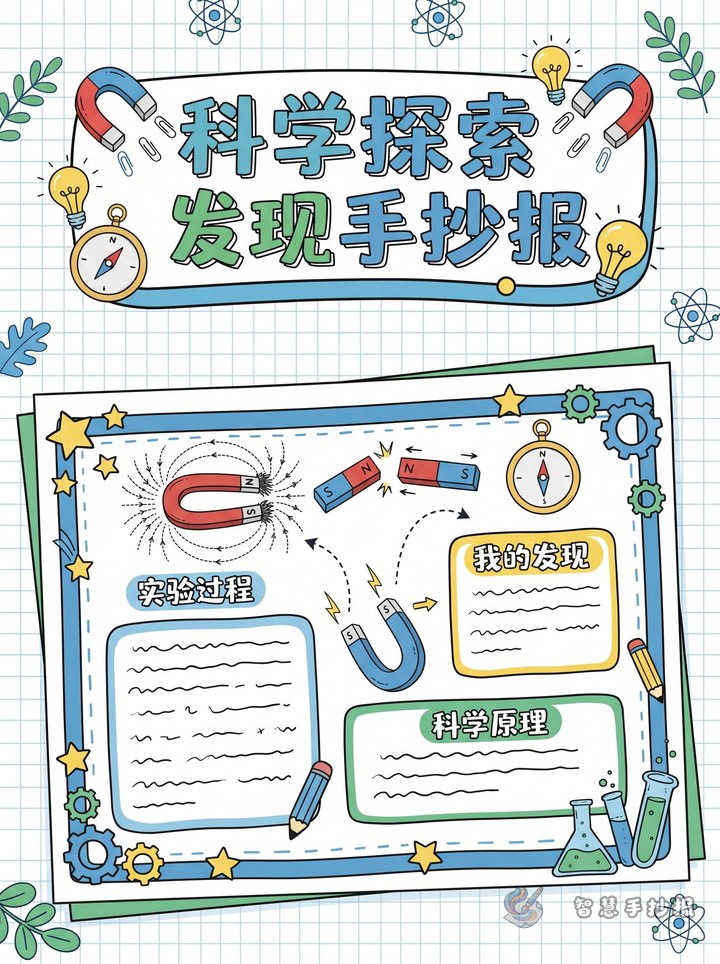
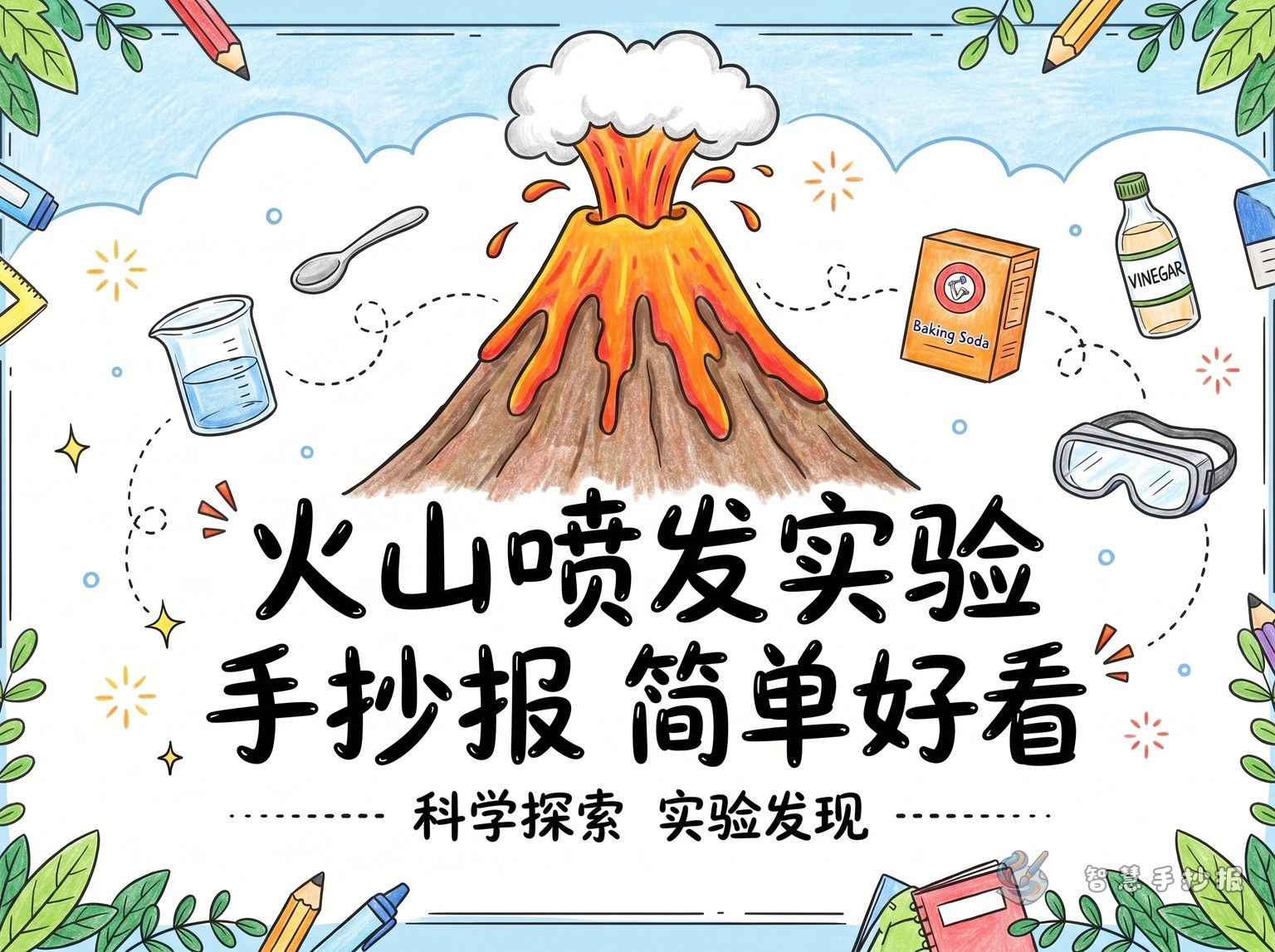
A volcano experiment poster works best when it combines visual effect + simple science + observation notes. You can place a volcano-style title in the center, then arrange sections for materials, steps, what happened, and why it happened. This makes the page lively and educational at the same time.
For younger students, the writing should stay simple. The key is to explain why bubbles appear, why foam rises out of the bottle, and why this is only a model rather than a real volcanic eruption.
Sections you can place on the poster
1. Materials
- A small bottle or cup
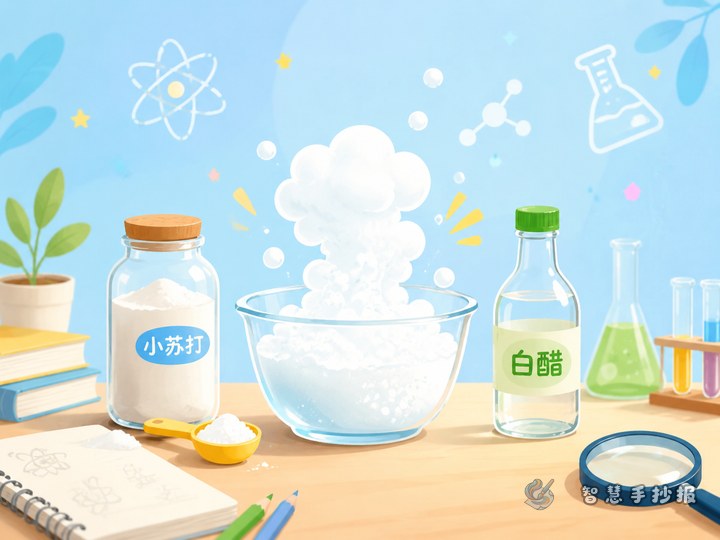
- Baking soda
- Vinegar
- Dish soap
- Red or orange coloring
- A tray or plate
2. Steps
- Place the bottle in the center of a tray.
- Add some baking soda.
- Put in a little dish soap and a few drops of coloring.
- Slowly pour in vinegar and watch the “eruption.”
3. What I observed
After the vinegar was added, a lot of foam quickly came out of the bottle. It looked like lava flowing from a volcano, and the color made the effect even more exciting.
Explain the science in child-friendly language
The main idea is that baking soda and vinegar react and make gas. The gas pushes the liquid outward, so lots of foam rises and spills over. Dish soap helps create more bubbles, and coloring makes the foam look like lava.
You can write one simple line on the poster: “When baking soda mixes with vinegar, gas is produced. The gas pushes the foam out, so it looks like a volcano eruption.”
You can also add that this is only a science model. Real volcanoes erupt because of magma and movement inside the Earth, which is much more powerful.
How to arrange the page nicely
This topic looks great in a center-focused or top-to-bottom layout. Put the big title “Volcano Experiment” in the middle, then add small sections around it for materials, steps, science explanation, fun facts, and safety tips.
- Use red, orange, and yellow for a lava effect.
- Draw volcanoes, smoke, flowing lava, and bubbles as decorations.
- Highlight words like “Observation,” “Science Idea,” and “Safety Tip” in bold.
- Keep each section short so the poster stays neat and easy to read.
If you want to continue improving the design, you can use the Zhihui Shouchaobao WeChat mini program to organize titles, borders, and layout ideas more easily.
Extra facts to enrich the poster
- A volcano is one way Earth releases energy from inside.
- Real volcanic eruptions can release lava, ash, and gas.
- Not every mountain is a volcano.
- Science experiments help us understand nature, but models are not the same as real natural events.
These short facts work well in a “Science Corner” or “Fun Facts” section and make the poster feel more complete.
Tips for a better final result
A common problem is writing only the steps and forgetting the reason behind the experiment. Try to include both “How I did it” and “Why it happened.” That will make the poster feel more like a real science project.
Also pay attention to neat handwriting, balanced spacing, and matching colors. You can end with a reflection such as “Science experiments help me discover how simple materials can show amazing natural ideas.”