Start with the most interesting part
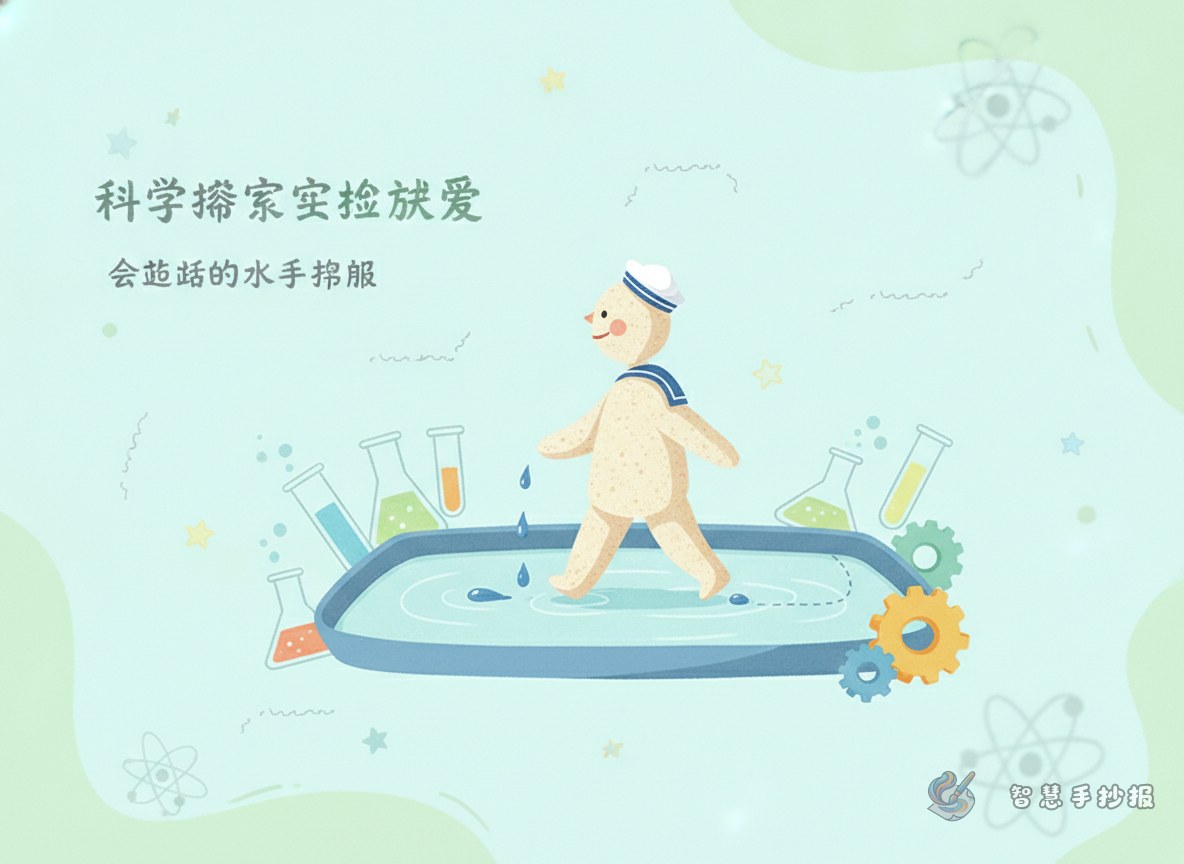
The best part of the walking water experiment is that the water looks as if it is moving by itself from one cup to another. At the top of the page, students can write a simple line such as Water is not really walking; the paper towel helps it move. This makes the topic fun while leading naturally into the science idea.
A short introduction also works well under the title, for example: I tried a colorful water experiment and discovered that water can travel through paper towels and even mix into new colors.
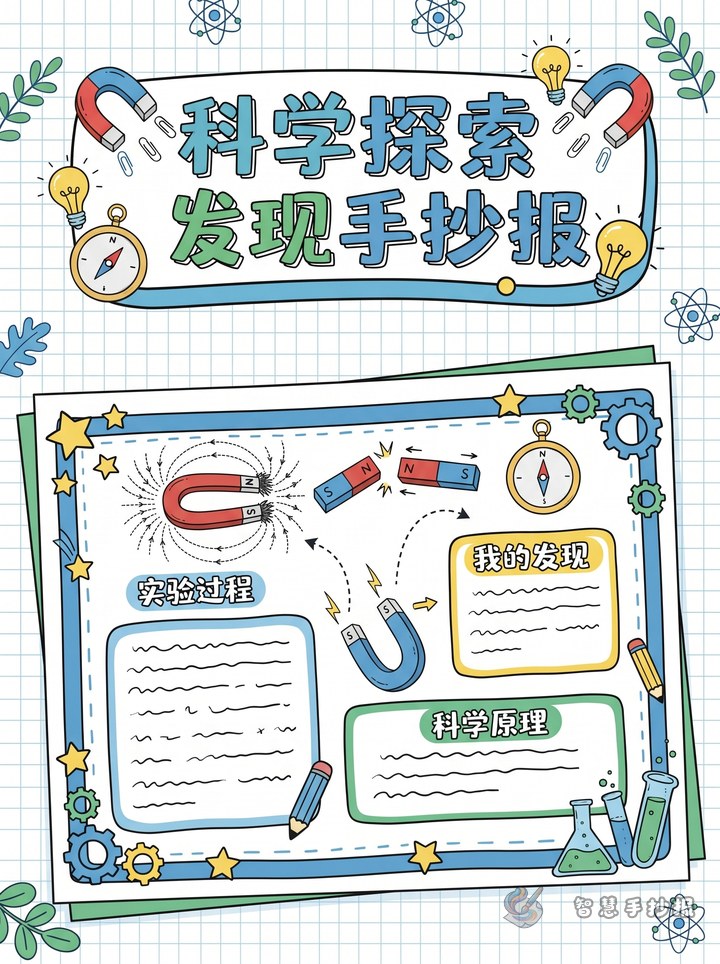
Useful sections for the poster
Materials
- 3 to 5 clear cups
- Water
- Food coloring or water-soluble colors
- Paper towels
Steps
- Fill some cups with different colored water.
- Fold paper towels into strips and connect the cups.
- Wait and observe carefully.
- Record changes in water level and color.
What I observed
- The paper towel became wet first.
- Water slowly moved into the empty cup.
- Different colors met and created new colors.
How to explain the science simply
The poster should not only say the experiment is amazing. It should also explain why it happens. A clear way to write it is this: paper towels have many tiny spaces between their fibers, and water can move through these narrow spaces. This is called capillary action. That is why the water seems to “walk.”
Students can also compare two situations: without a paper towel, the water stays in its cup; with a paper towel, the water slowly moves across. This helps show why the material matters in the experiment.
Short writing materials that fit well on the page
- Question: Why can water leave one cup and enter another?
- Prediction: I think the paper towel will carry the water across.
- Observation: At first only the side cups had color, but later the middle cup changed too.
- Conclusion: Water moved through the paper towel because of capillary action.
- Extension: Is this similar to how plants move water?
These short lines are great for small labels and note boxes, making the page feel complete without becoming too crowded.
A layout idea that looks lively
This topic works especially well with a flowing horizontal design. Draw a row of cups across the middle and connect them with curved paper towels to create a clear visual path. Place materials on one side, science explanation on the other, and observations near the bottom.
Color choices can match the experiment itself, such as red, yellow, and blue, with white paper towel shapes. This keeps the page bright and easy for children to understand at a glance.
Connect the experiment to everyday life
To make the handwritten newspaper richer, add examples of capillary action from daily life: paper towels soaking up spills, paintbrushes holding water, plants carrying water upward, or moisture spreading through soil. This shows that science is not far away from everyday experiences.
A nice ending line could be: This experiment taught me that even simple materials can reveal surprising scientific ideas. After finishing the draft, students can also continue organizing their page in the Zhihui Shouchaobao WeChat mini program for a cleaner final version.