Choose places children really know
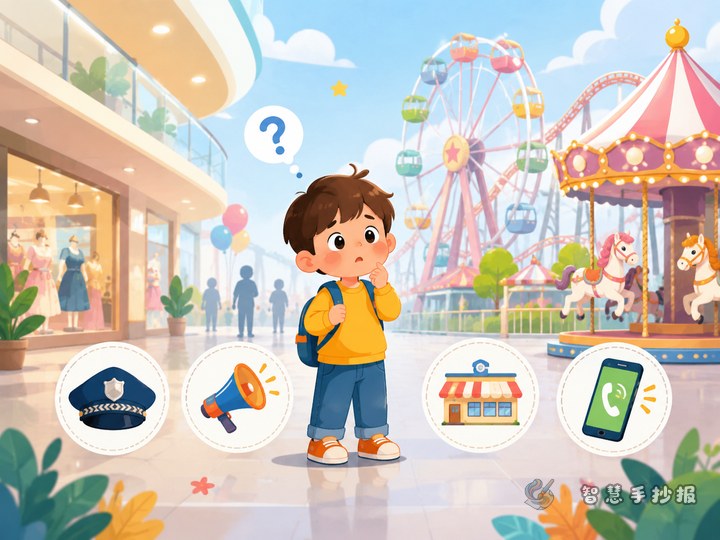
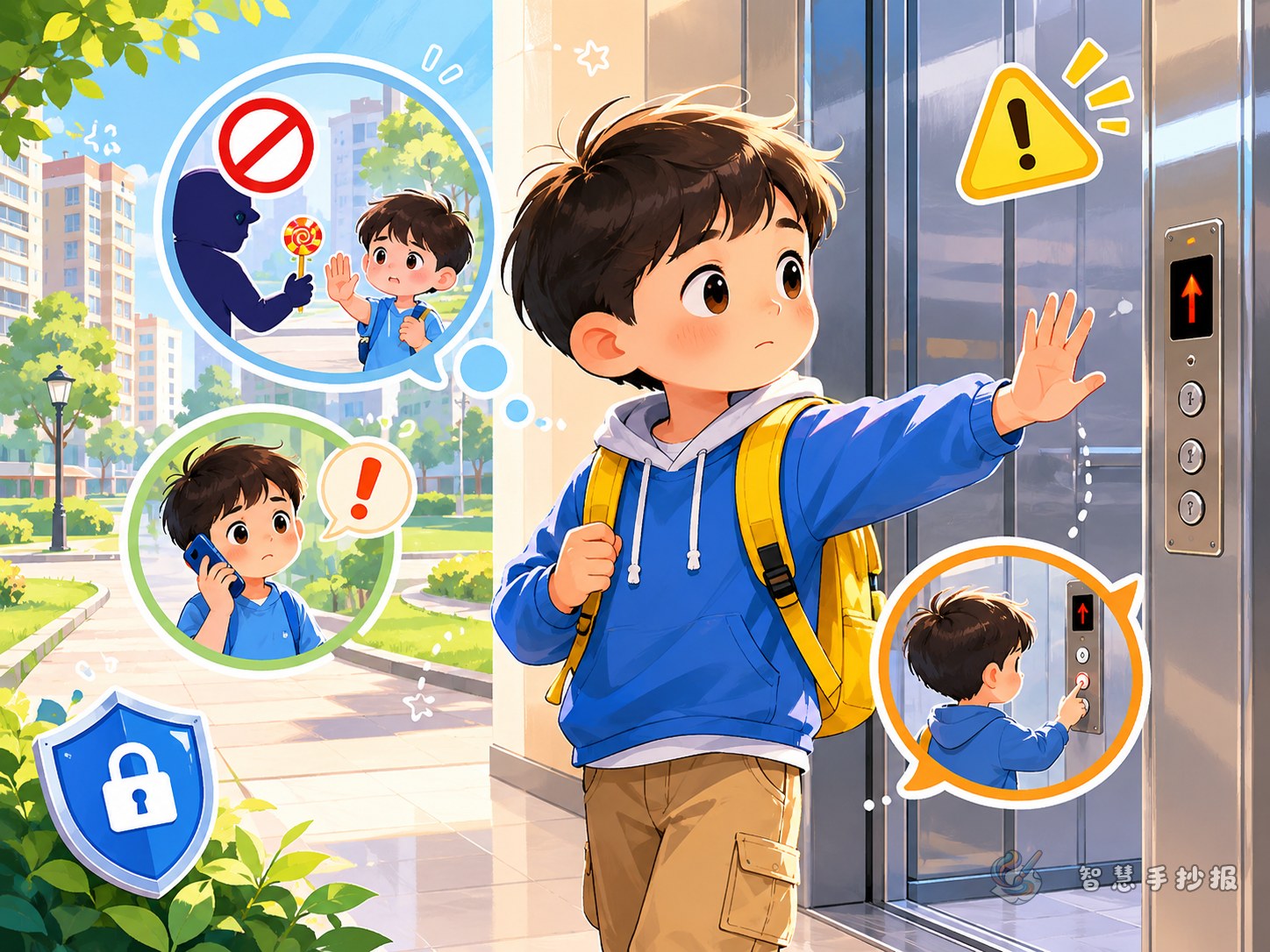
Instead of writing general safety advice, this handwritten newspaper can focus on real situations such as playing in the neighborhood, waiting for an elevator alone, entering the apartment building, or walking near a parking area. A topic connected to daily life feels more useful and easier for students to write.
Key content that fits the poster well
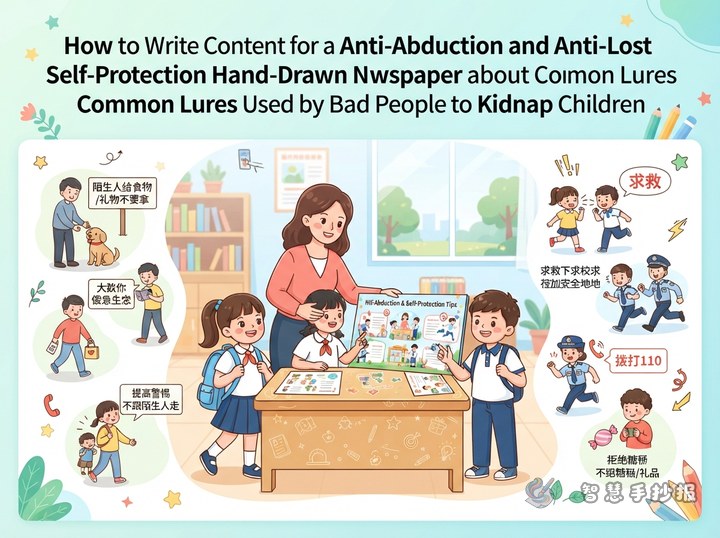
Simple safety checklist
- Do not stay in quiet or hidden places when you are alone.
- Look around before entering the building or elevator.
- Do not share your home address or family details with strangers.
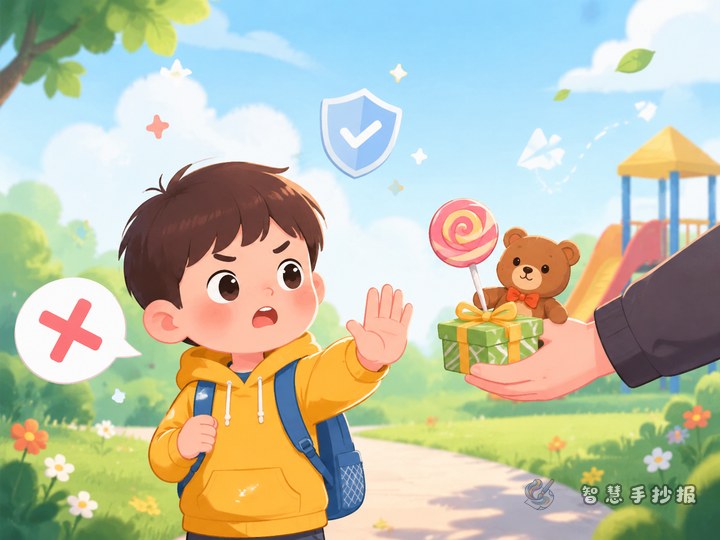
- Never accept food, gifts, or offers from people you do not know.
- Stay alert and move toward safe, bright, crowded places.
What to do if something feels wrong
- Leave the area and go where other people are nearby.
- Ask a security guard, police officer, property staff member, or trusted adult for help.
- If someone tries to approach or grab you, shout loudly for help.
- Do not stay silent because of fear. Asking early is safer.
Short phrases students can copy
- Check first, then enter the elevator
- Do not trust strangers when alone
- Play in safe and open places
- If there is danger, shout and seek help
- Remember who can help: security, police, staff, trusted adults
You can also add a short rhyme: When strangers talk, be calm and smart; check the elevator before you start; if something feels unsafe to you, leave and ask for help right away.
A layout idea that works well
A useful design is a large title in the center with four sections around it. One section can show warning signs, one can list correct actions, one can include a rhyme, and one can explain how to ask for help. If there is more space, add a small box called “I Can Do This” with good habits students can check off.
Use two or three clear colors such as blue, orange, and green. Bold the key messages. Small decorative elements like doors, elevator buttons, or warning signs can make the topic feel more focused without making the page messy.
How to make it practical for school use
Keep the writing short, clear, and connected to everyday life. Each section only needs a few useful points. Younger students can use lists and rhymes, while older students can add simple “If this happens, then do this” steps.
If you want to continue with cleaner layout and color matching, you can also organize these ideas in the Zhihui Shouchao Bao WeChat mini program and turn them into a more complete handwritten newspaper.