What makes this topic meaningful
A hometown dining etiquette handwritten newspaper is not only about food. It is about the rules, feelings, and customs that gather around the table. This kind of topic works well because it combines local culture with everyday life, making the page feel warm and personal.
Content ideas you can actually write
- Rules at the family table: who starts eating first, how to sit, and how to speak politely during meals.
- How guests are welcomed: common ways of offering dishes, pouring drinks, or inviting others to eat more.
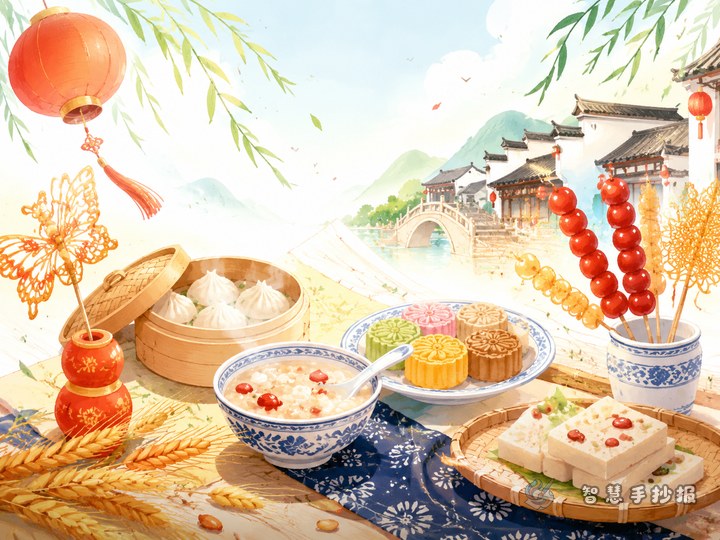
- Festival dining customs: special foods eaten during holidays and what they symbolize.
- Respect and sharing: how children show care for elders and how families teach thrift and gratitude.
Useful text blocks for the page
You can write short and clear sentences instead of long paragraphs. For example: “In my hometown, elders are often invited to start the meal first.” “When guests visit, warm dishes are served with care.” “Holiday foods are not only delicious, but also full of good wishes.” These simple lines are easy for students to copy and adapt.
How to organize the layout
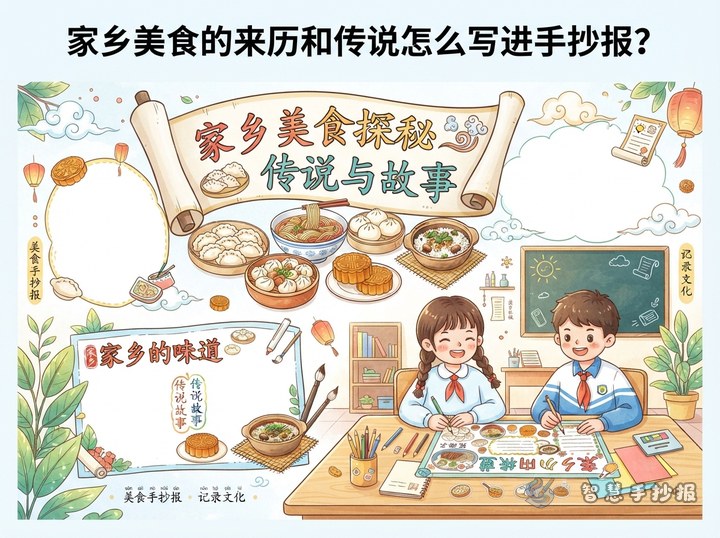
Try placing the title in the center top. Put the four content sections around it like a family table. Use small drawings of chopsticks, bowls, steamers, or local dishes in the corners. Keep each section similar in size so the page looks balanced and tidy.
Color and decoration suggestions
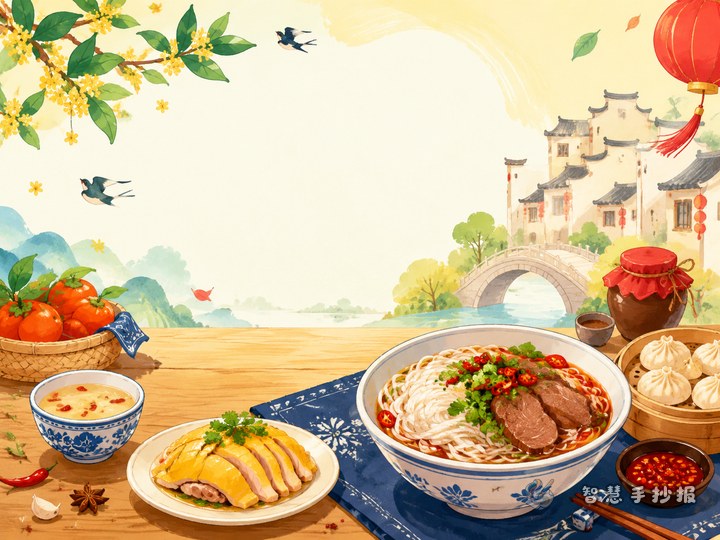
Choose warm colors that match the dining theme, such as soft red, rice yellow, light brown, or orange. Decorative lines can imitate tablecloth patterns, window flowers, or bowl rims. This helps the newspaper look more local and welcoming.
How to make the page feel more personal
Add one small section called “A dining habit in my family” or “What I learned from our table.” This gives the handwritten newspaper a real voice instead of sounding copied. After the content is ready, you can continue adjusting titles, spacing, and decorative details in the WeChat mini program for a cleaner final result.