Choose one hometown food that carries a story
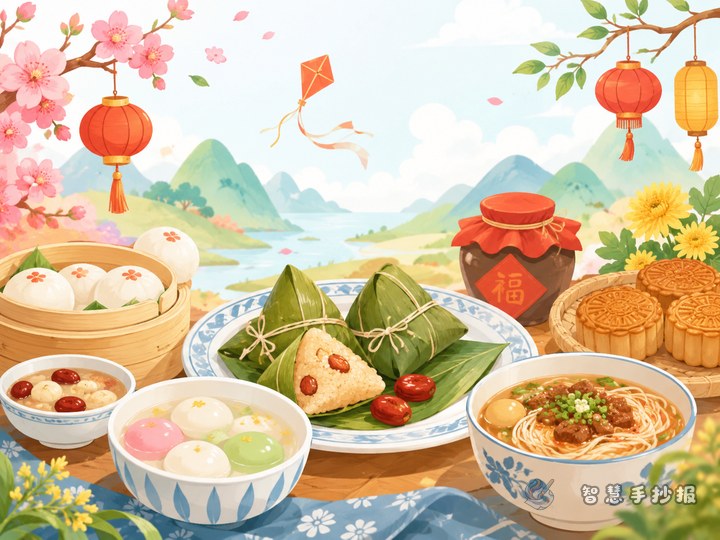
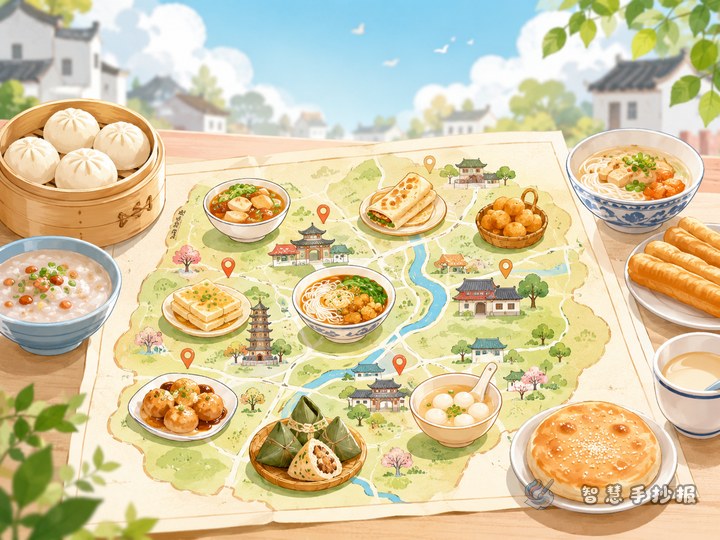
A good poster on hometown intangible food culture should not read like a simple food list. It works better when you choose one traditional dish that has a special making method, appears in festivals, or is connected with family memories. That gives your poster a clear cultural center.
Instead of writing about many foods at once, focus on one signature item. A single topic makes the content easier to organize and the page easier to read.
Useful sections to include on the poster
You can divide the content into several small parts so the poster looks rich but not crowded:
- Food profile: name, place, appearance, and flavor.
- Traditional method: main ingredients and key steps.
- Festival and customs: when people eat it and what it represents.
- Hometown memory: a family scene, a street smell, or a childhood impression.
- Why it matters: what this food tells us about local life and heritage.
This structure helps students show both knowledge and emotion.
Short lines that are easy to use
If you are not sure how to start writing, these sentence ideas can help:
- This food is not only a hometown flavor but also a shared memory across generations.
- Its special value lies not only in taste, but also in the traditional skill behind it.
- From preparing ingredients to shaping the final dish, each step reflects patience and local wisdom.
- During festivals, people use this food to express reunion, joy, and good wishes.
- One familiar bite can bring back deep feelings for home.
You can adapt these lines to match your own local food and make the poster sound more personal.
Let the layout highlight culture, not just decoration
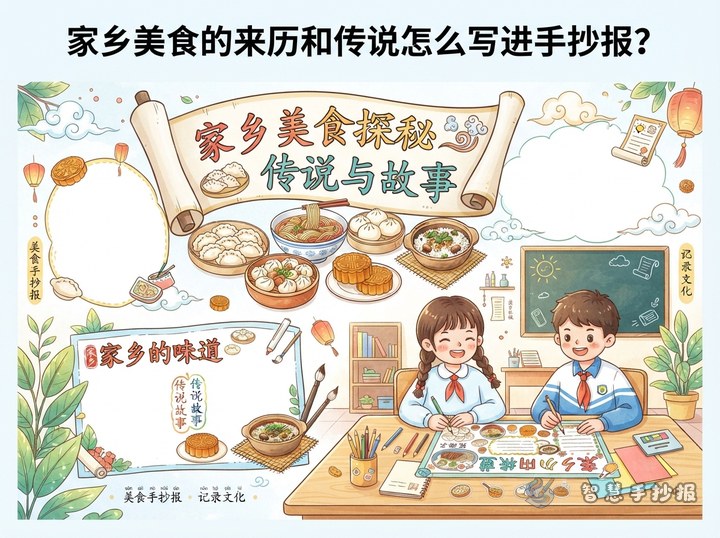
A strong layout for this theme is a large title in the center with smaller sections around it. You may place the food name in the middle and arrange origin, method, customs, and meaning on the four sides. Keep the main title bold and the supporting text short and neat.
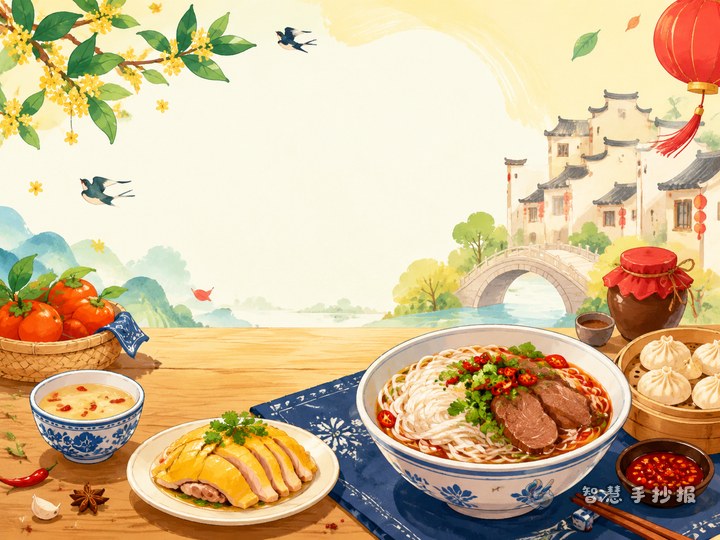
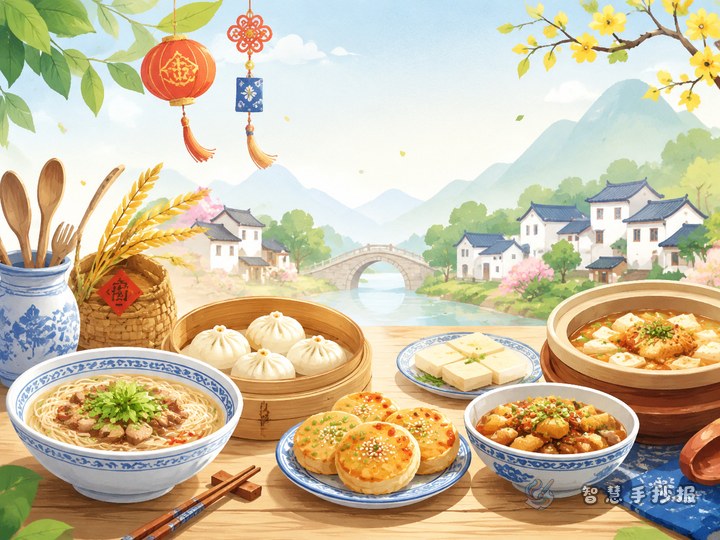
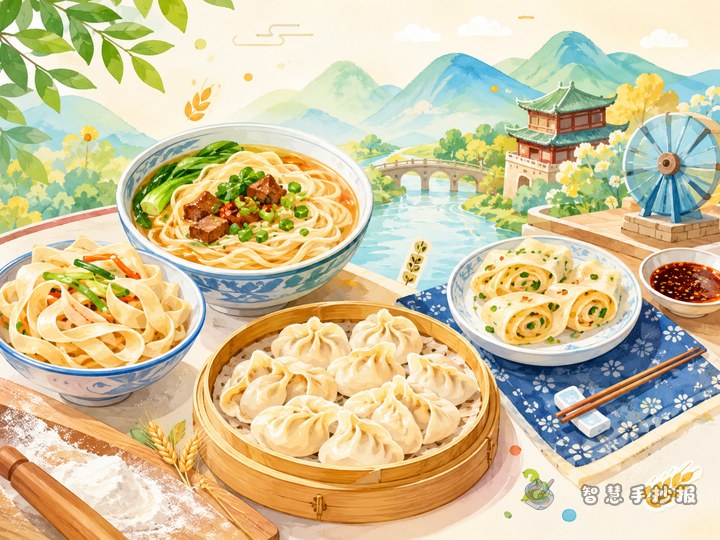
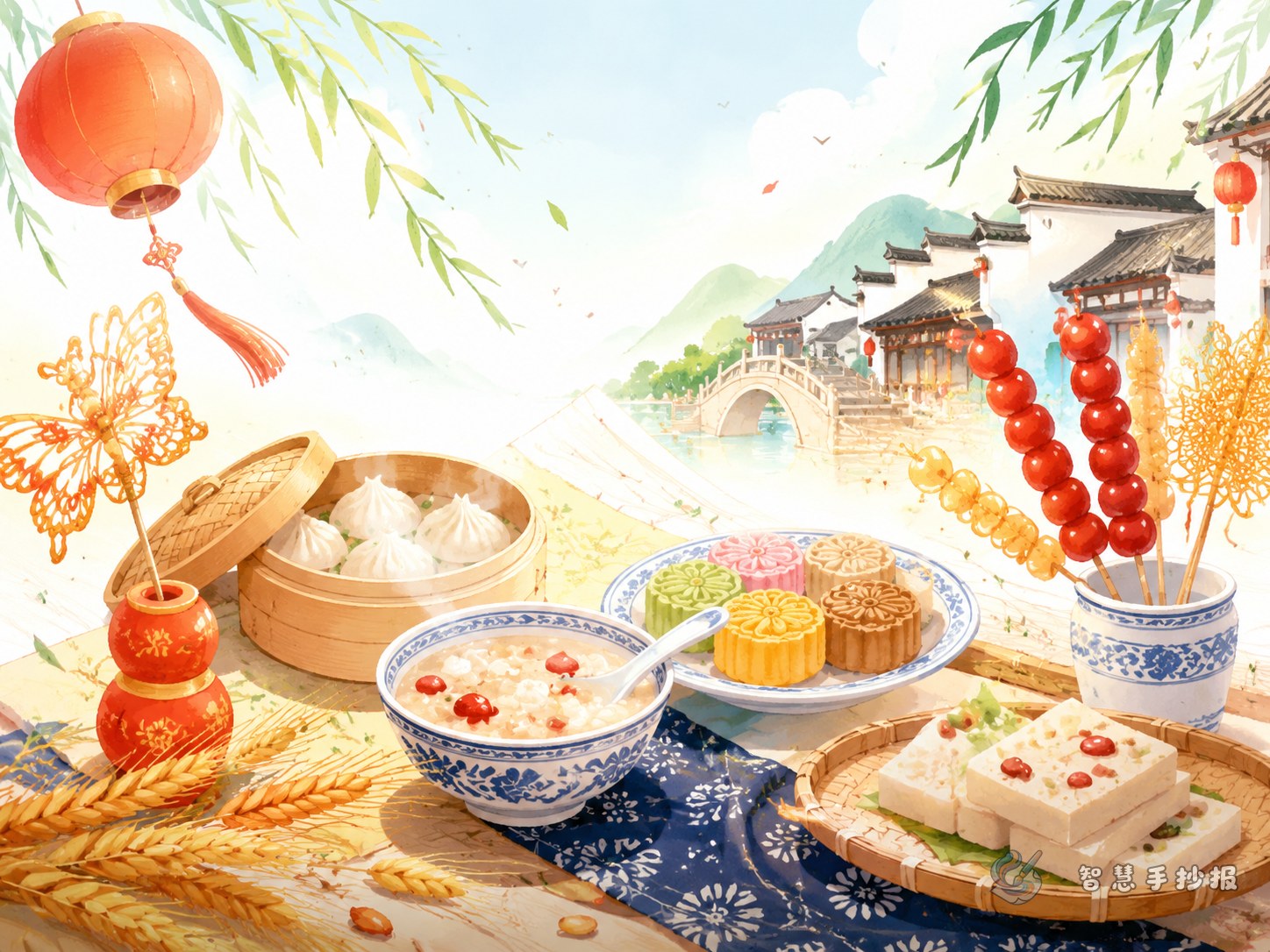
For decoration, use food-related details such as chopsticks, steam, grains, baskets, cooking tools, or simple border patterns. These small elements help build a cultural feeling without making the page messy.
Easy ways to make the poster stand out
- Use specific words about taste, color, smell, and texture instead of only saying it is delicious.
- Add a local nickname or dialect term if appropriate, with a short explanation.
- Keep each section brief so the page stays clean and readable.
- End with one or two personal thoughts to make the poster warmer and more memorable.
Once your content is ready, you can continue arranging the design in the Zhihui Shouchaobao WeChat mini program for a cleaner and more complete final poster.