Start with one simple theme: Cold Dew means ripe soybeans
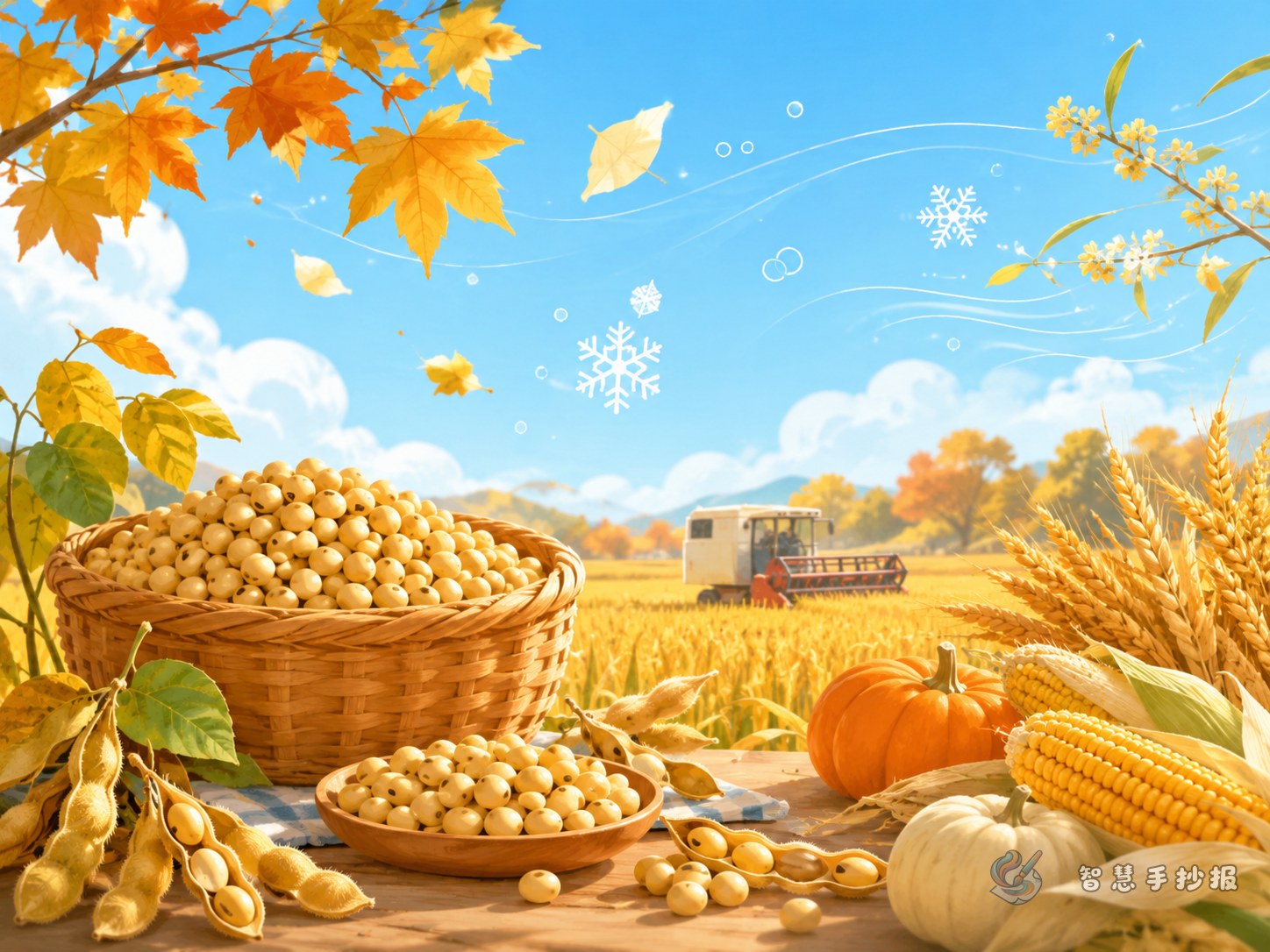
This kind of handwritten newspaper works best when the message is focused. Cold Dew is an autumn solar term with cooler mornings, heavier dew, and clearer signs of seasonal change. When you connect Cold Dew, soybeans, and autumn harvest, the topic becomes specific, practical, and easy for students to understand.
You can use a title such as “Cold Dew and the Busy Autumn Harvest” or “Soybeans Ripen in the Cold Dew Season.” A short subtitle can help tie the page together, such as “Learn about solar terms, crops, and the value of every grain.”
Useful sections you can place directly on the page
What is Cold Dew
Cold Dew is one of the autumn solar terms. During this time, mornings and evenings become cooler, dew appears more often, and the weather starts moving toward late autumn. It also reminds people that harvest work is underway.
How soybeans look when they are ripe
As soybeans mature, the pods turn yellow and dry, and many leaves begin to fall. When the crop reaches harvest time, the beans inside the pods are full and ready to be collected.
What soybeans are used for
Soybeans are turned into familiar foods such as tofu, soy milk, and bean products. This makes the topic close to everyday life and helps readers connect field crops with daily meals.
Why autumn harvest matters
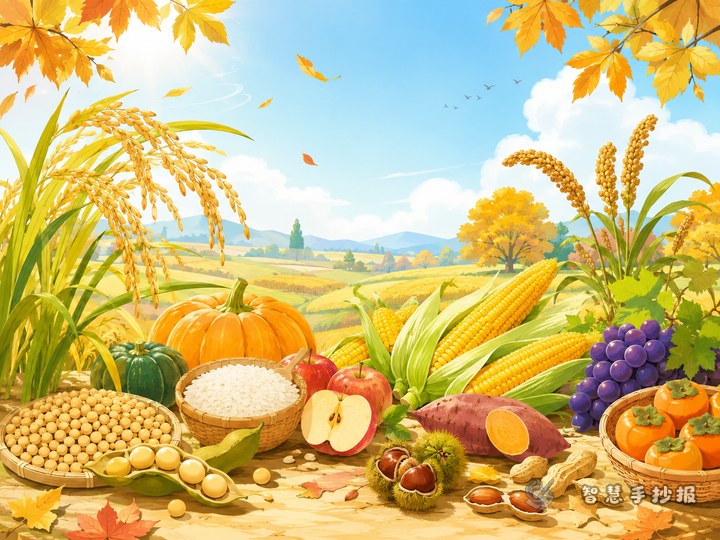
Autumn harvest is a busy season for farmers. Crops need to be gathered, dried, and stored at the right time. This section can naturally lead to the ideas of respecting labor and avoiding food waste.
Short writing materials for students
- Cold Dew arrives, the air turns cool, and fields begin to glow with harvest colors.
- Soybean pods dry and ripen, and farmers work hard in the busy season.
- Every bean comes from care, time, and hard work.
- Learning about solar terms also teaches us to value food.
If you still have empty space, add a small line such as Learn from the seasons and cherish every harvest.
A more creative page structure
You do not have to use stiff square boxes. This topic works well as a “field observation” layout with three reading zones:
- Top banner area: main title with dew drops, clouds, or soybean pod drawings.
- Middle knowledge area: one side for Cold Dew facts and the other for soybean ripening and uses.
- Bottom closing area: a short message about harvest, food appreciation, or respect for farmers.
This order makes the page flow naturally from season to crop, then from crop to harvest values.
Colors and decorations that match the theme
Soft yellow, light brown, and green work well for this topic. Yellow can show ripe soybean pods, green can represent fields, and a touch of light blue can suggest cool autumn mornings. Decorations can stay simple: a few bean shapes, leaves, dew drops, or small farm tools are enough.
Keep the border light and the text blocks neat. A bold title and clear short paragraphs will make the handwritten newspaper easier for teachers and classmates to read.
How to end the page well
A good ending should go beyond facts. You can say that Cold Dew is not only a sign of seasonal change, but also a time to notice crop maturity and the hard work behind harvest. Learning about soybeans and autumn farming helps children understand nature and respect food.
If you want to turn these ideas into a finished page faster, you can continue designing in the Zhihui Shouchaobao WeChat mini program by choosing a layout, adjusting sections, and polishing the final look.