Start with a clear focus: Xiaoman is a great crop-observation theme
This handwritten newspaper works best when it centers on Xiaoman and the growth of early summer crops. Instead of turning it into a difficult agriculture lesson, the page should help students show both the seasonal meaning and the visible changes in crops. Xiaoman is often linked with grains becoming fuller, fields growing busier, and crops entering a fast growth stage.
For children, a simple angle such as “Fields During Xiaoman” or “Why Xiaoman Matters to Crops” makes the layout easier to organize and keeps the topic closely related to solar terms and farming.
Useful sections to place on the page
1. A short introduction to Xiaoman
You can explain that Xiaoman is one of the 24 solar terms. It means summer crops begin to become full, but they are not completely ripe yet. The weather grows warmer, rainfall often increases, and farm management becomes more active.
2. What happens to crops during Xiaoman
- Wheat: the ears become fuller and begin changing from green to yellow.
- Rapeseed: in some areas, it enters the later stage of harvest.
- Corn: growth speeds up and field moisture becomes important.
- Cotton: seedlings grow faster and need careful field care.
- Vegetables: many summer vegetables enter a vigorous growing period.
3. What farmers are busy doing
This section can mention watering, weeding, checking seedlings, applying fertilizer, and preventing pests and diseases. Short lines like these make the handwritten newspaper feel lively and practical.
Short lines students can copy into the newspaper
- Xiaoman arrives, and grains begin to fill.
- Solar terms guide farming, and crops grow with the season.
- Learning Xiaoman means learning how fields change.
- Good harvests begin with careful field management.
- See agriculture through solar terms and learn from every crop.
If there is still blank space, add a final line such as “Observe the seasons and cherish every grain of food.”
How to design the page so it looks complete
You can divide the page into four main areas without making them exactly equal.
- Top title area: Use a heading like “Xiaoman and Crop Knowledge” or “Why Xiaoman Matters to Farming.” Green and yellow work well for a field theme.
- Left information area: Put the short Xiaoman introduction here.
- Right observation area: List crop changes and farm activities with bullet points.
- Bottom extension area: Add a small section on cherishing food or “What I notice in the fields during Xiaoman.”
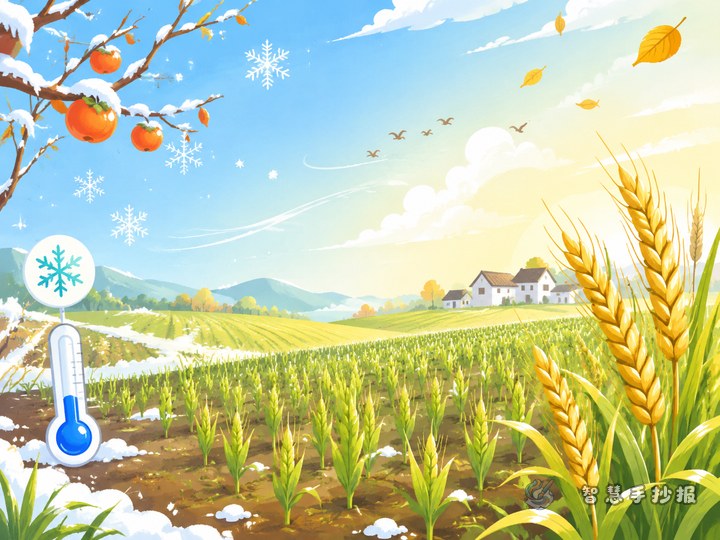
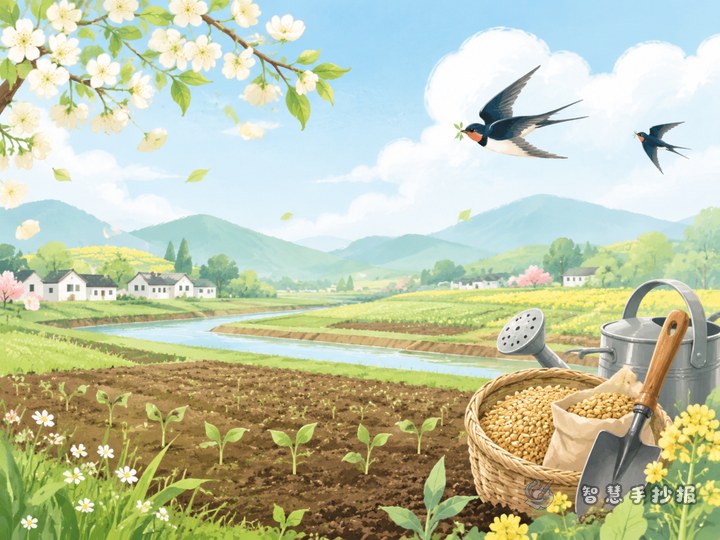
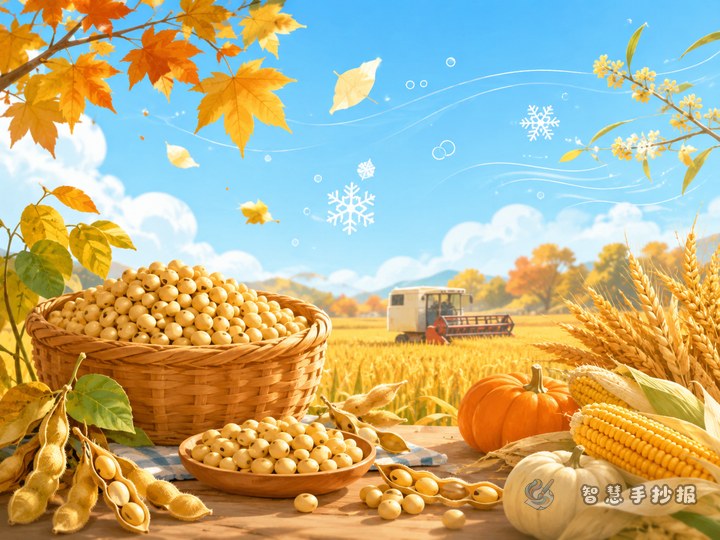
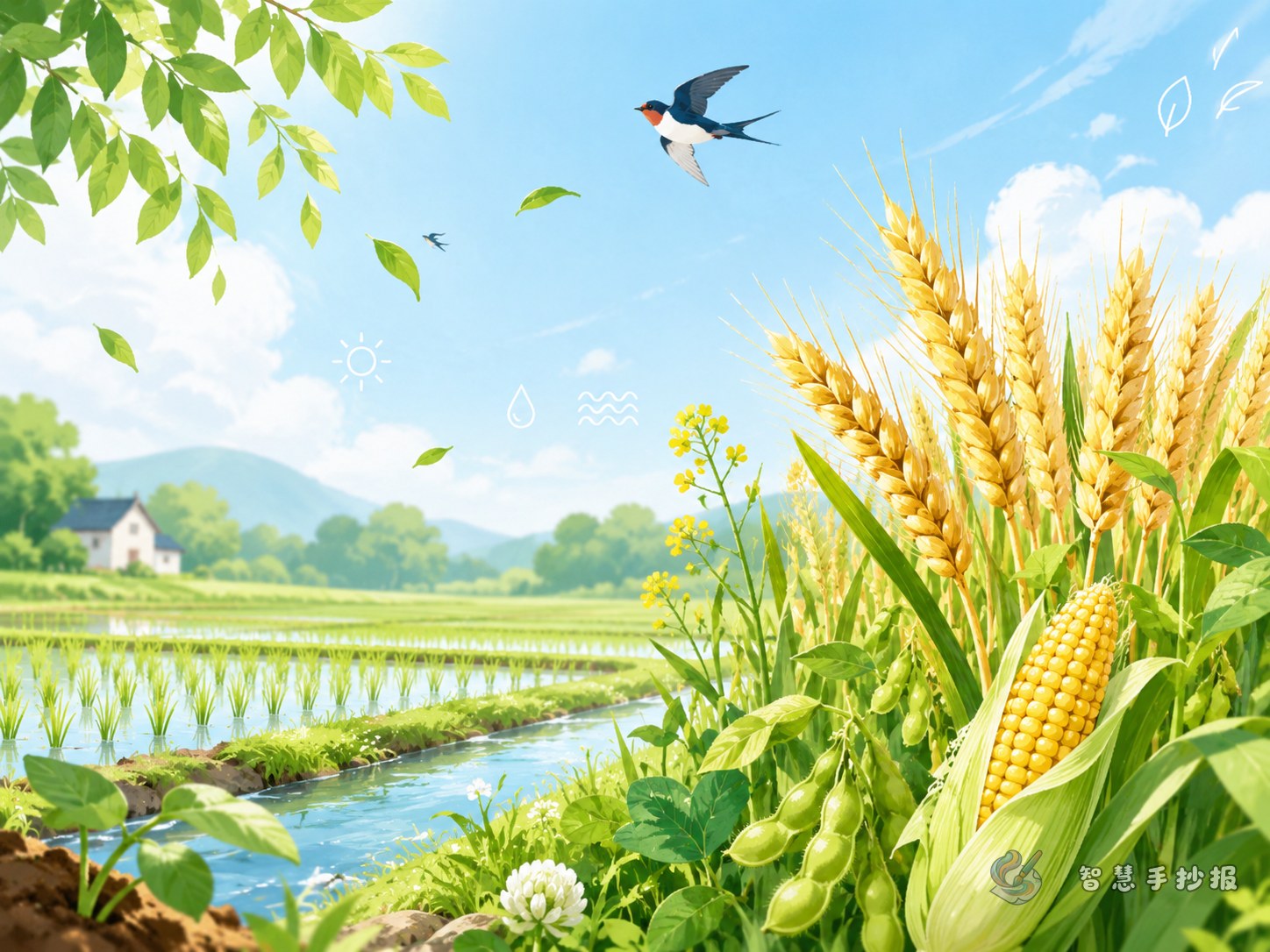
For decoration, draw wheat ears, corn leaves, clouds, sunshine, or water drops. These are easy to draw and match the farming theme well.
Easy ways to make the work stand out
Do not write everything in long paragraphs. Short sections and clear labels such as “The Solar Term,” “Changes in Crops,” “Busy in the Field,” and “What I Learned” will make the page look more like a strong school project.
You can also add a thoughtful detail: why is it called Xiaoman, not Daman? A simple answer is that grains are becoming full, but not fully mature. This shows growth, hope, and the rhythm of farming with the seasons.
If students want to keep improving the layout, title style, or section arrangement, they can continue creating in the Zhihui Shouchao Bao WeChat mini program.