Start with a clear main idea
A birdwatching handwritten newspaper becomes much better when it has one clear direction. Instead of collecting random facts, decide whether your page focuses on common birds, bird protection, or a combination of both. For primary school students, the easiest structure is to connect bird knowledge, polite birdwatching, and simple protection actions.
If the page is small, do not try to include too much. A few strong sections with short and neat writing usually look better than a crowded page.
Sections that work especially well
Common bird mini profiles
- Sparrow: a small bird often seen near homes and trees.
- Swallow: a fast flyer that is common in spring and summer.
- Magpie: known for its long tail and bright call.
- Egret: usually white and often seen near water.
- Woodpecker: pecks trees to find insects and helps forests stay healthy.
Keep each bird introduction short. One or two sentences for each bird is enough, especially if you want space for drawings.
Birdwatching manners
- Stay quiet and do not scare birds.
- Do not chase, catch, or harm them.
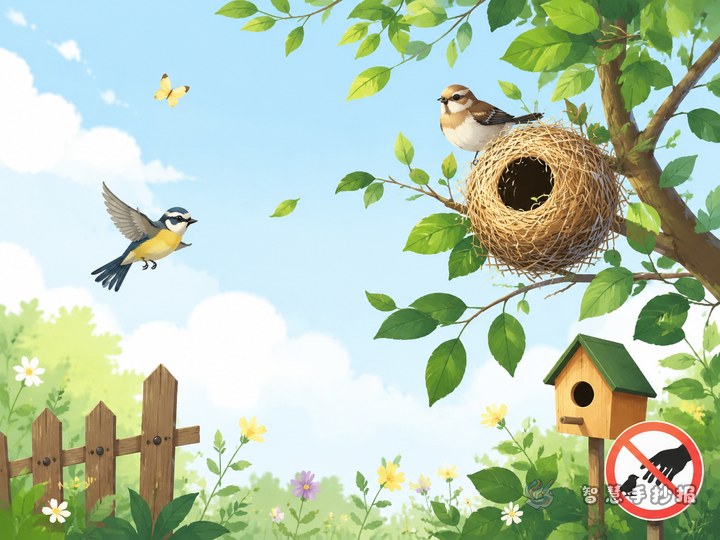
- Do not touch nests or baby birds.
- Keep the environment clean.
- Observe from a safe distance.
This section gives the newspaper a stronger educational meaning and fits the theme of protection well.
My birdwatching notes
Add one short personal observation, such as seeing swallows on a wire or hearing birds sing in the morning. Even a simple note makes the newspaper feel more original and student-centered.
Short text materials you can use
- Birds are singers of nature and important members of the ecosystem.
- Protecting birds means protecting our green home.
- Birdwatching is about quiet observation, not disturbance.
- Every bird has its own way of living and deserves respect.
- We can protect birds by not harming them and by caring for their habitats.
- Careful observation helps us discover more beauty in nature.
These sentences work well under the title, at the start of a section, or in a closing message.
Keep the layout fresh and easy to read
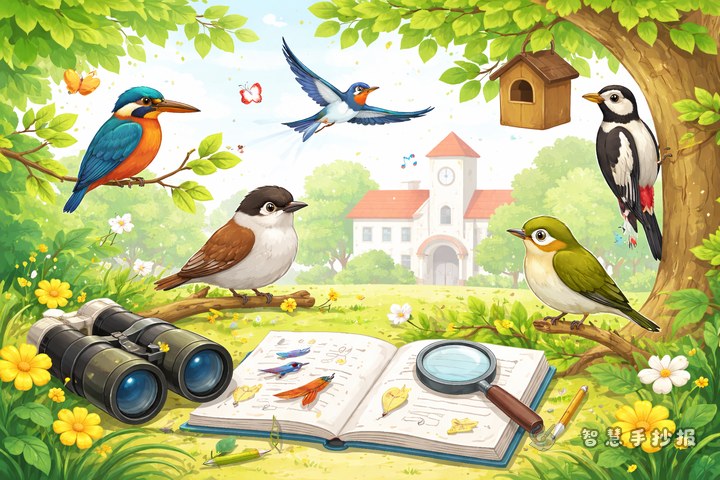
A nature-style layout fits this theme very well. Place the title at the top, then decorate the page with leaves, feathers, nests, branches, or binocular icons. Divide the content into three or four blocks so the page feels balanced but not stiff.
- Top area: the main title, such as “Watch Birds Politely, Protect Birds Together.”
- Left area: common bird introductions.
- Right area: birdwatching rules.
- Bottom area: observation notes or a protection pledge.
Soft blue, green, and light yellow colors usually match the theme nicely. Make the title bold and keep the body text neat for better readability.
Add a little student voice
To make the page more lively, add a small corner such as “The bird I most want to protect” or use little labels shaped like feathers or footprints. These details make the work feel more personal and creative.
You can also end with a simple line such as “Let us begin with quiet observation and become young protectors of birds.” After finishing the core content, you can keep refining the page in the Smart Handwritten Newspaper WeChat mini program.