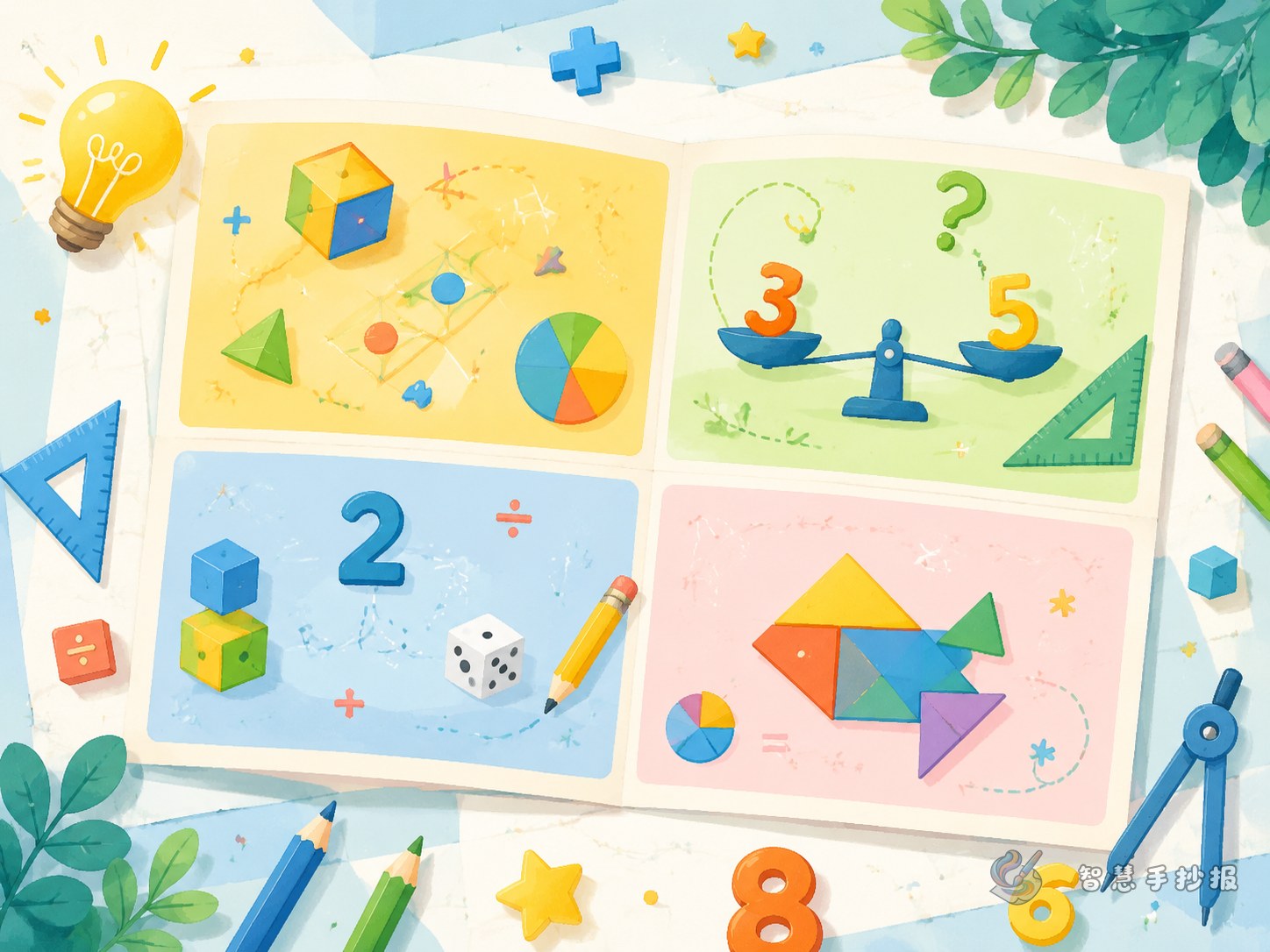
Why a four-panel layout works so well for a fun math poster
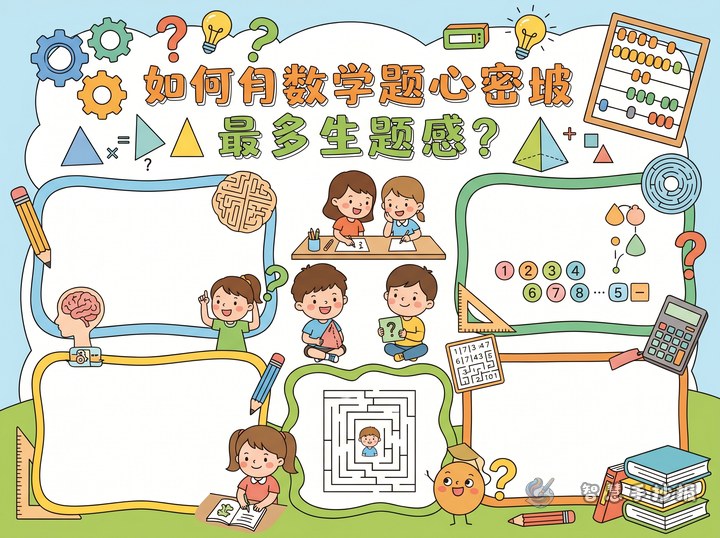
A four-panel poster is easy to read because each part has a clear purpose. Math-themed handwritten posters can quickly look crowded if facts, puzzles, and decorations are mixed together. Dividing the page into four areas helps students organize ideas and makes the final work look cleaner.
This format is also friendly for younger students. They can start by drawing a border, splitting the page into four parts, and then filling each section step by step.
What to place in each panel
Panel one: Math discoveries
This space is perfect for short and interesting facts, such as odd and even numbers, symmetry, number patterns, or multiplication tricks. Keep the sentences short and easy to copy.
- Odd plus odd makes an even number
- Symmetrical shapes look the same on both sides
- Patterns can hide inside multiplication tables
Panel two: Mini challenge zone
Add one or two simple math questions that invite readers to stop and think. The goal is not to make it hard, but to make it fun.
- If one frog has 4 legs, how many legs do 3 frogs have?
- How can you split 8 into two numbers to make 10 with another number?
Panel three: Math in daily life
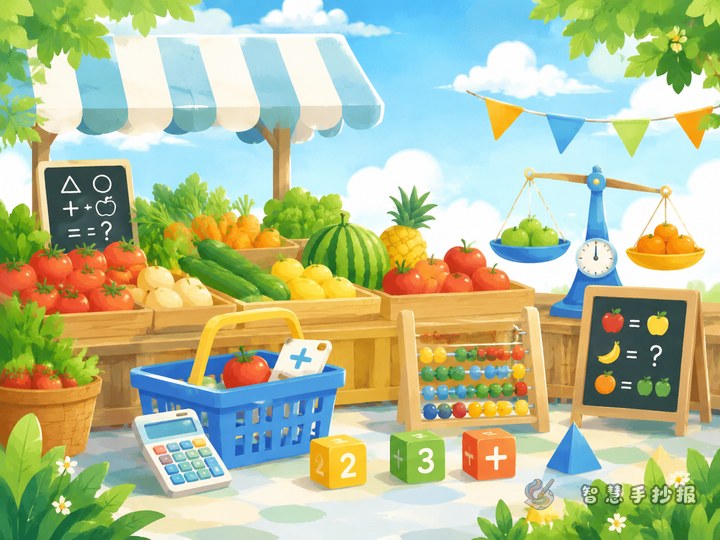
This panel helps show that math is useful in everyday situations. Students can write about shopping, reading time, counting objects, or standing in line.
- How much do 3 pencils cost?
- How do we read half past and o'clock times?
- What does first, second, and third mean in a line?
Panel four: Hands-on game corner
This section can include coloring tasks, matching games, shape counting, or pattern finding. It often becomes the most eye-catching part of the poster.
Short text ideas you can use right away
- Math is not only about calculation, but also about thinking.
- Finding patterns means discovering hidden rules.
- Math is everywhere in daily life.
- When a problem feels hard, observe first and try step by step.
- Good thinking is just as important as the final answer.
You can also add short labels near the title, such as “Numbers Speak,” “Pattern Hunter,” or “Math Around Us.”
Tips to keep the page neat
- Build the frame first: draw the title and four sections before adding details.
- Use one main color for each panel: soft colors can separate the areas without making the page messy.
- Keep text length similar: balanced text helps the layout feel even.
- Repeat math elements in the border: use shapes, rulers, number strings, and symbols.
- Leave some empty space: a little white space makes the poster easier to read.
Simple decoration ideas for children
Decorations do not need to be complicated. A few number bubbles, triangles, circles, clocks, puzzle pieces, or graph-paper style corners are enough to create a math mood. Students can sketch lightly in pencil first and then trace with colored pens.
A good order is to finish the title, draw the four panels, fill in the writing, and decorate last. If you want to save time and polish the layout further, you can continue designing the poster in the WeChat mini program.