Build the theme around “math that makes you think”
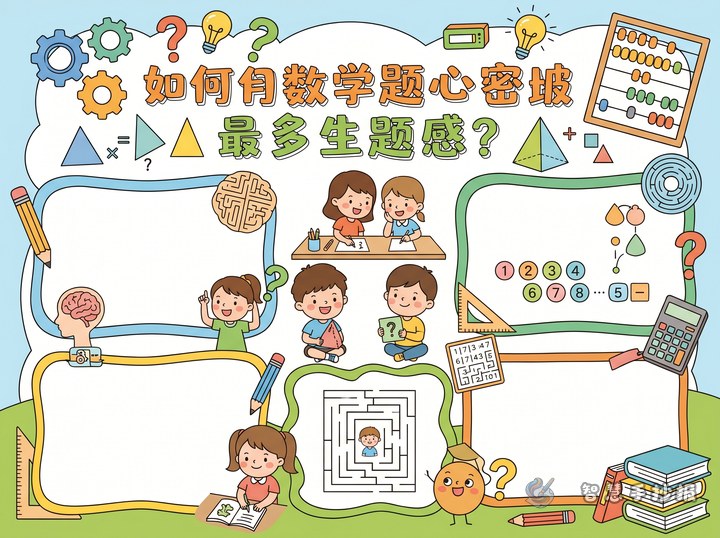
A fun math poster should not be filled with formulas only. A better approach is to combine patterns, logic, daily-life math, and mini challenges on one page. A title such as “Math Patterns I Found” or “Why Math Is Fun to Think About” makes the poster feel lively and thoughtful at the same time.
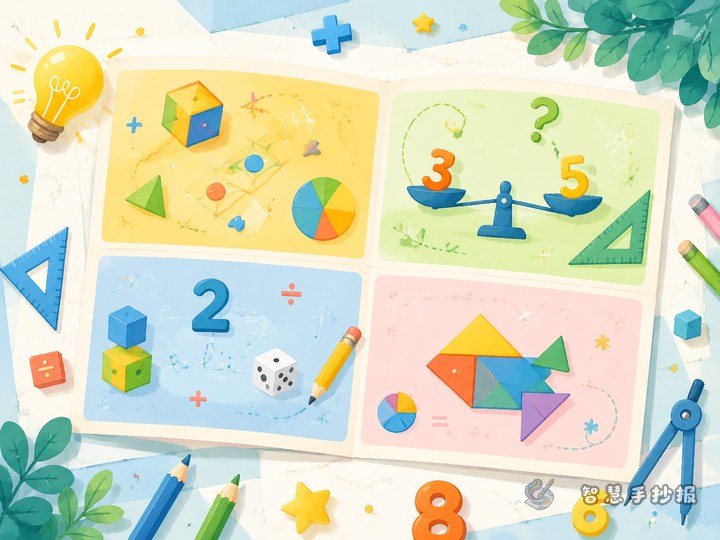
Choose four sections that are easy to read
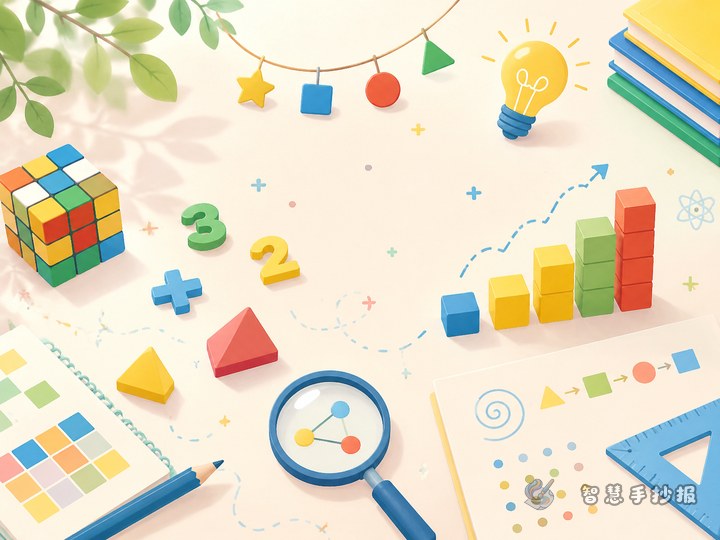
- Pattern Detective: number sequences, shape changes, and simple logic observations.
- Quick Math Tips: easy methods like making ten, breaking apart numbers, or remembering multiplication facts.
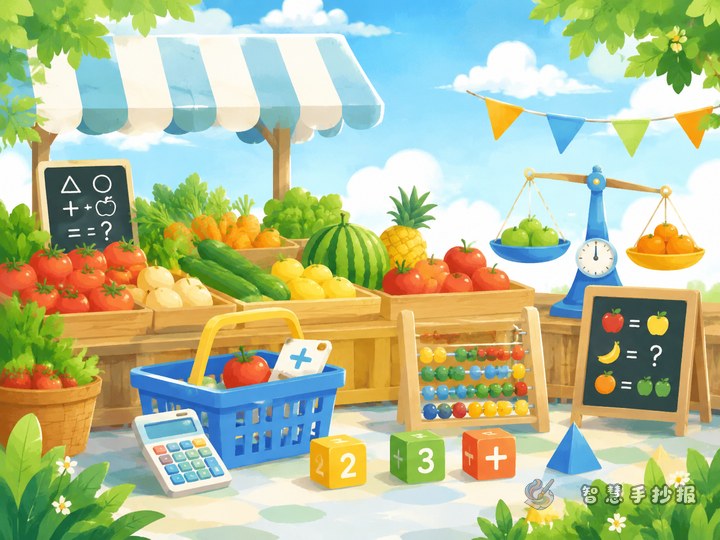
- Math in Daily Life: shopping, telling time, sharing food, lining up by number, and other familiar examples.
- Brain Challenge Corner: add two or three short and interesting questions for interaction.
If there is extra space, a small box for “My Favorite Math Idea” also works well.
Text materials students can use directly
Pattern observation sentences
Math is not only about getting answers quickly. It is also about noticing patterns and thinking carefully. When we observe numbers and shapes closely, we can discover hidden rules. Patterns help us turn hard problems into easier ones.
Math in real life
Math is everywhere around us. We use it when we buy things, read the clock, organize tasks, and build with blocks. Good math thinking helps us solve problems in a clear and orderly way.
Mini challenge examples
- Fill in the pattern: 2, 4, 8, 16, 32.
- Ming had 10 candies, gave away 3, and bought 5 more. Now he has 12.
- What new shape can you make with three equal squares? Write your own observation.
A simple layout that looks neat
Place the main title in the center and divide the page into four surrounding sections. This makes the poster easy to read. Decorations can include numbers, rulers, triangles, circles, and math symbols, but do not overcrowd the page. Blue, green, and orange work well for a bright school-style design. Use bold key words, colored subheads, and neat numbering to highlight the important parts.
Add your own thinking to make it stand out
Instead of copying facts only, include one small section called “What I Discovered” or “What I Learned.” A student can write ideas like “even plus even is still even” or “symmetrical shapes look the same on both sides.” This makes the poster feel original and better matches the theme of mathematical thinking. Before drawing, plan the sections first. After finishing, check spacing and handwriting for a cleaner result. If you want to keep improving the layout and content, you can continue creating in the Zhihui Shouchaobao WeChat mini program.