Start with a plant that is easy to observe
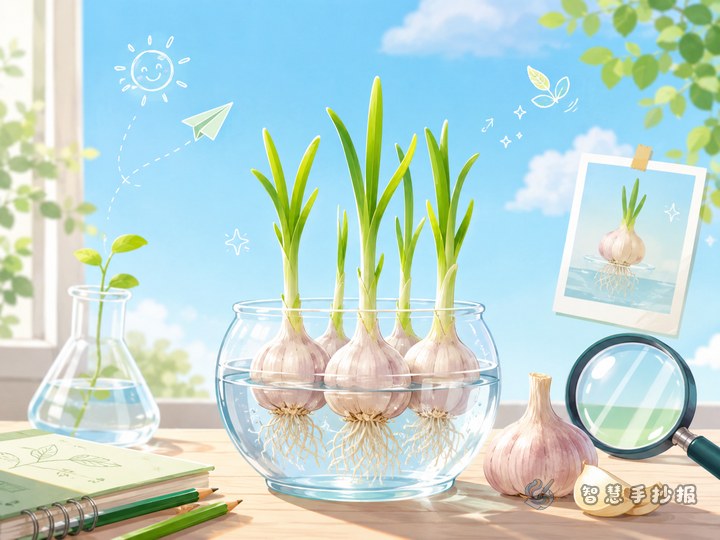
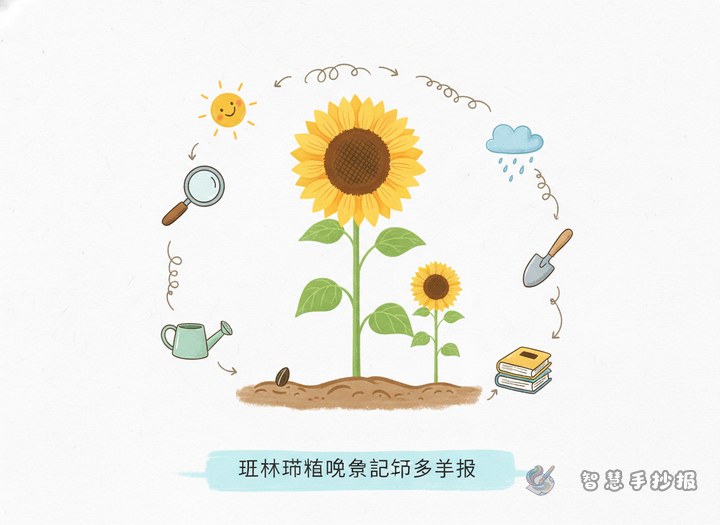
A plant growth observation poster works best when the plant changes quickly and clearly. Good choices include mung beans, soybeans, garlic sprouts, scallions, or sunflowers. These plants make it easier to record visible progress over several days. A focused title such as “My Mung Beans Started Sprouting” or “7-Day Plant Observation Record” makes the poster easier to organize.
If you want richer content, mention both the plant and the growing method, such as water-grown mung beans or soil-grown garlic sprouts. This gives you room to include both observations and planting notes.
Useful sections to include on the poster
This type of handwritten newspaper should feel like a clear observation board. The best sections follow the actual growing process so readers can quickly understand how the plant developed.
- Plant Profile: plant name, planting date, place, and materials used.
- Daily Observation Notes: what changed on Day 1, Day 3, Day 5, and Day 7.
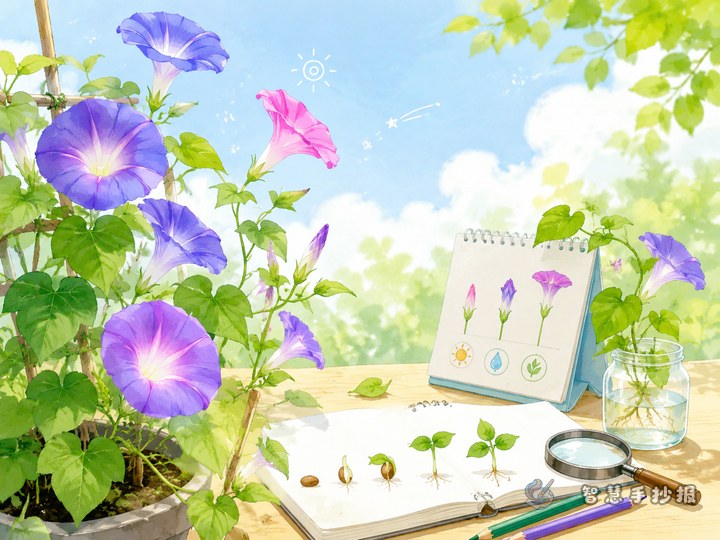
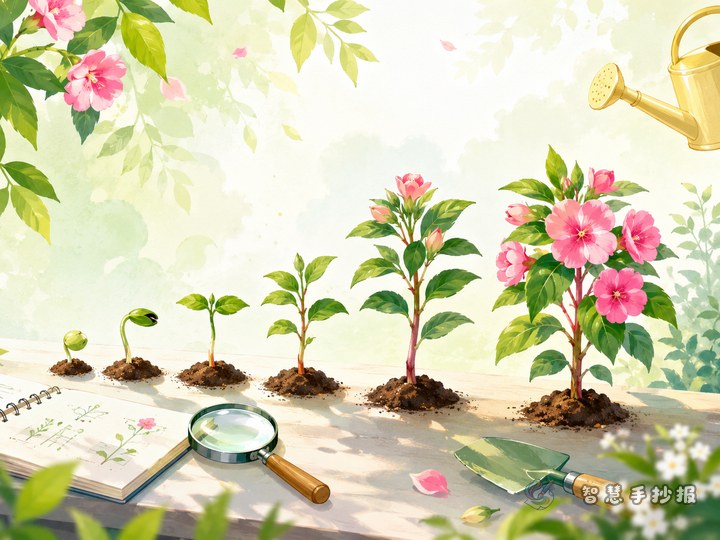
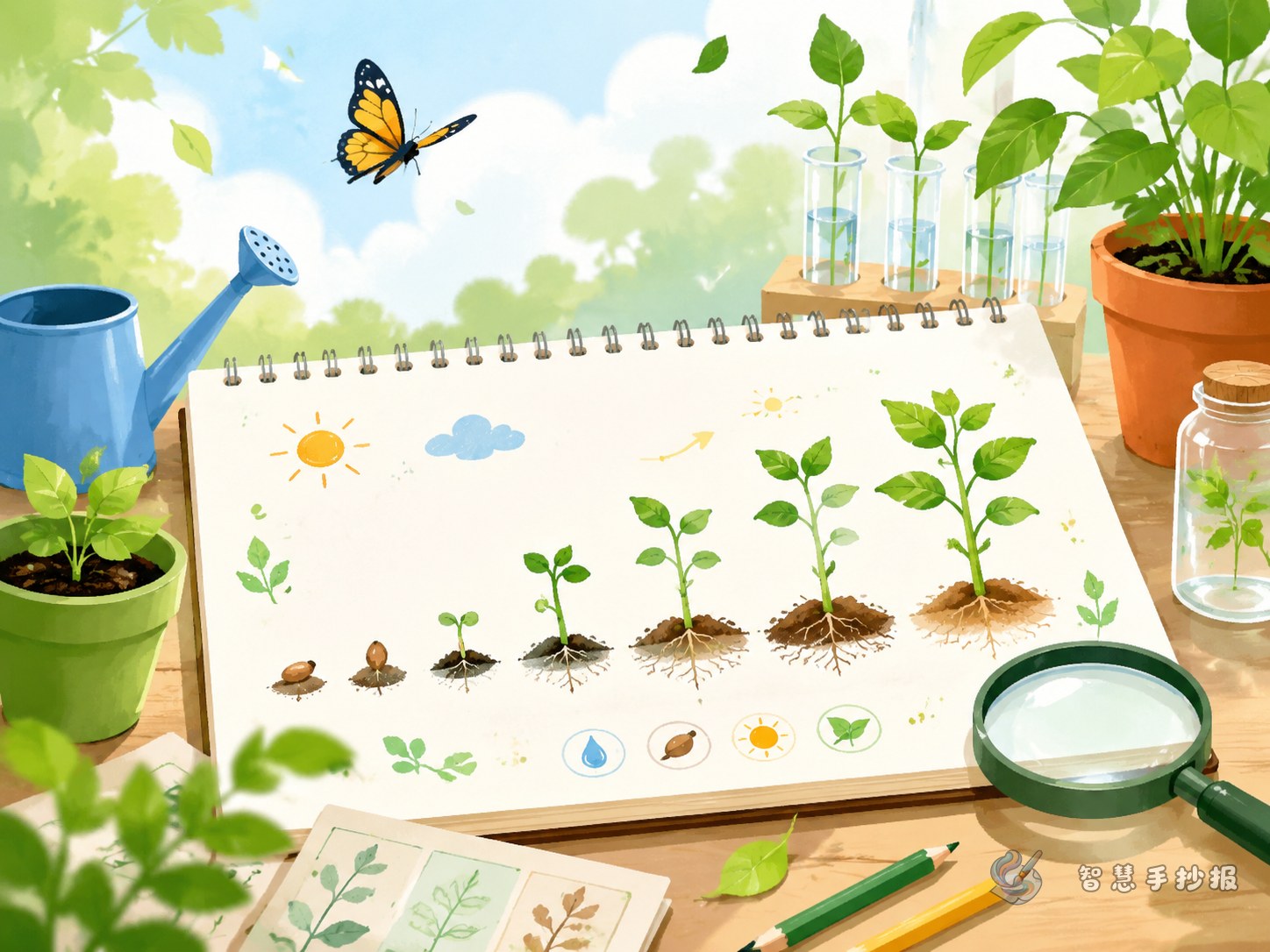
- Growth Stages: seed, sprout, leaf, and height changes.
- What I Discovered: how sunlight, water, and soil affect growth.
- Care Tips: do not overwater, and keep the plant in a bright, airy place.
If you have more space, you can also add a small section like “My Plant Mood Line” or “What I Hope to See Next” to make the work feel more lively and child-friendly.
Short writing materials students can use directly
The best poster text is short, true, and easy to copy neatly. These sample lines can be used directly or rewritten.
- I placed mung beans on wet paper towels, and the seed coat became soft the next day.
- On the third day, a tiny white sprout came out like a little tail.
- By the fifth day, the sprouts were taller, and some had small green leaves.
- I found that plants in sunlight looked stronger and healthier.
- Too much water can keep the roots too wet, so watering should be moderate.
- Watching plants grow taught me that life needs time and patience.
You can also end with a simple summary line: Plant growth does not happen all at once. It happens little by little every day.
How to arrange the layout like a real observation record
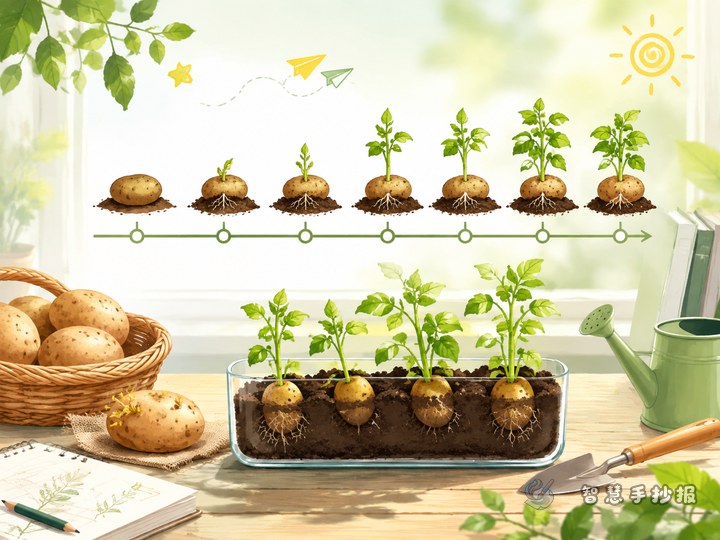
A timeline or four-box layout works especially well for this theme. Place the main title in the center or top area, then divide the page by dates so the growth process is easy to follow. Unlike general posters, observation posters should highlight time and progress.
- Write a bold main title at the top and add small drawings of seeds, sprouts, or leaves.
- Put “Planting Preparation” on one side and “My Discoveries” on the other.
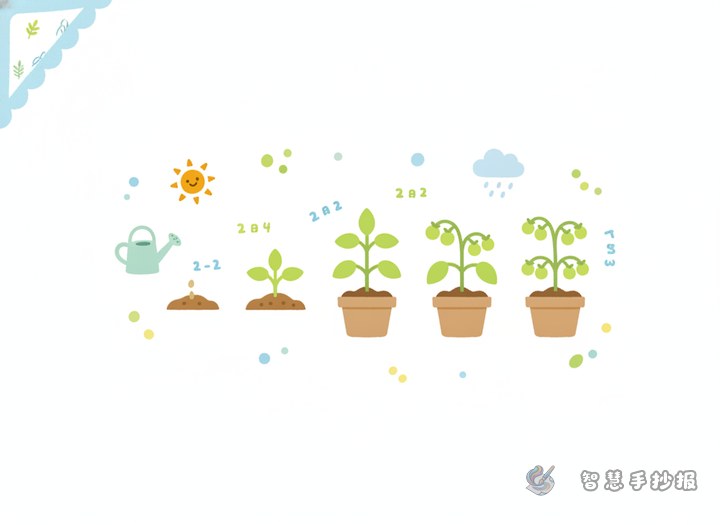
- Use arrows or dots in the center to connect Day 1 through Day 7.
- Leave a bottom section for your final thoughts to complete the page.
Use soft green, light yellow, and pale brown as the main colors. These match the plant theme and keep the poster fresh and bright. Make the title letters lively, but keep the body text neat and readable.
Simple details that make the poster feel complete
If you want your plant observation poster to stand out, focus on showing continuous change clearly instead of adding too many decorations. In each record box, you can note the date, weather, plant height, or number of leaves to make the content feel more real. You can also add a small question section, such as “Why did some beans not sprout?” to show thinking and curiosity.
If you already have your observation notes but still need help organizing the title, layout, or sections, you can continue creating in the Zhihui Shouchaobao WeChat mini program and turn your notes into a cleaner, more complete poster.