Choose a clear theme: a seven-day mung bean sprouting record
For a plant observation poster, mung beans are a popular and practical choice. They sprout quickly and change visibly in just a few days, which makes them perfect for a time-based poster. You can use titles such as Mung Bean Sprouting Observation, My Seven-Day Mung Bean Record, or How a Mung Bean Grows.
To make the poster feel organized, divide it into sections like preparation, daily notes, discoveries, and reflections. This makes it look like a real observation project instead of random text on a page.
Useful sections to include on the poster
1. What I prepared
- Plant observed: mung bean
- Materials: mung beans, a clear cup, tissue or cotton, and water
- Method: soak the beans first, then place them on wet tissue and keep them moist and airy
2. Daily observation notes
This is the main part of the poster. Write one or two short sentences for each day so the content stays simple and easy to read.
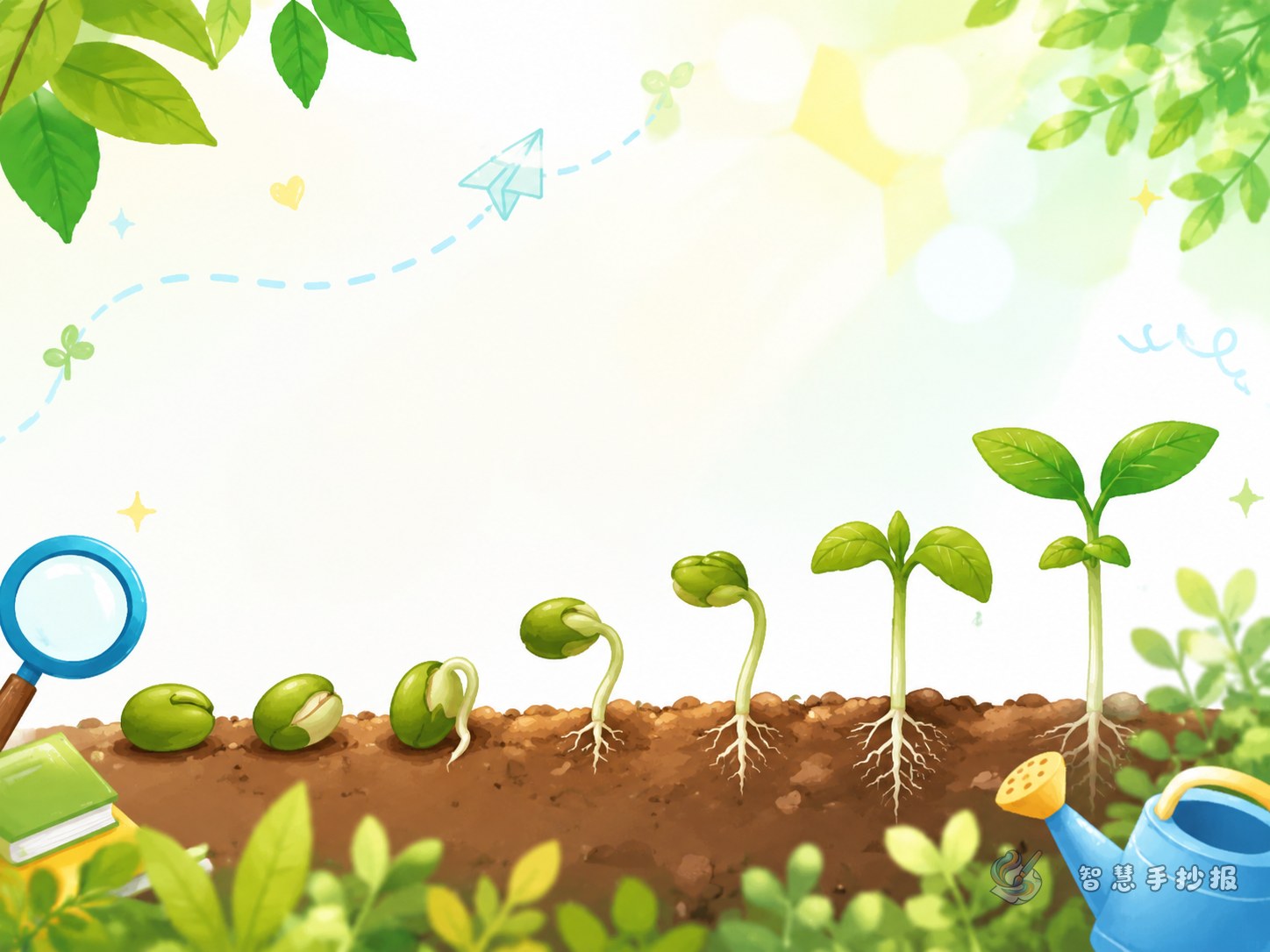
- Day 1: The beans absorbed water, became swollen, and the skins looked wrinkled.
- Day 2: Some beans cracked open and tiny white sprouts appeared.
- Day 3: The sprouts became longer, like little tails.
- Day 4: The sprouts grew more clearly, and some skins began to fall off.
- Day 5: The stems became longer, and some sprouts started to stand up.
- Day 6: Small light green leaves appeared.
- Day 7: The seedlings grew taller and the leaves opened wider.
3. What I discovered
- Mung beans sprout more easily in a warm and moist place.
- Too much water may make the beans smell bad, while too little water slows growth.
- Plants grow little by little, so careful observation matters.
Layout ideas that fit an observation poster
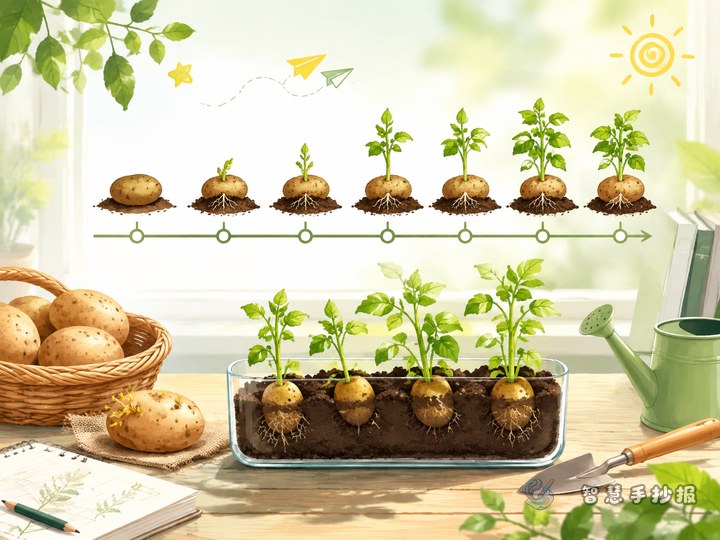
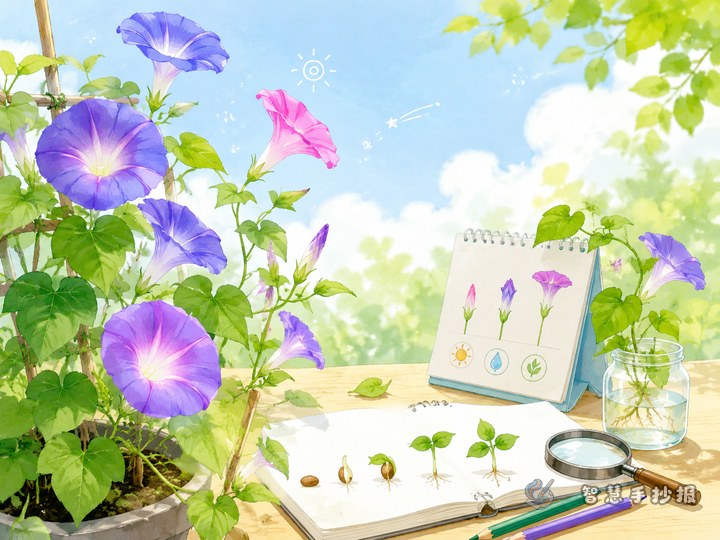
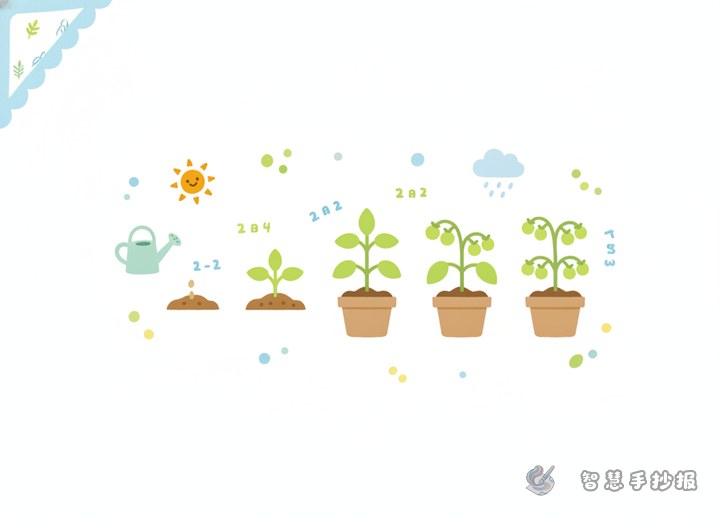
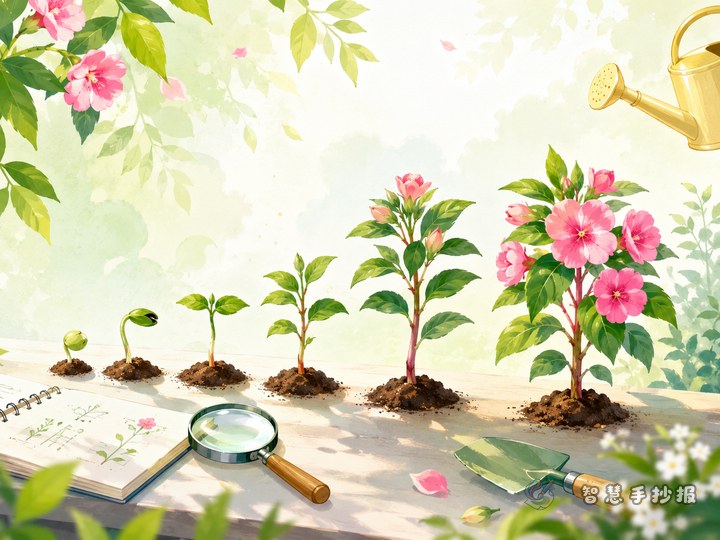
You do not need long paragraphs. The most important thing is clarity. A timeline layout works very well, moving from Day 1 to Day 7. A four-part layout is another good choice, with sections for planting steps, daily notes, plant facts, and reflection.
For decoration, use simple elements like sprouts, leaves, water drops, or flowerpots. Green can be the main title color, matched with light yellow or light blue to create a fresh look.
Add a small knowledge corner for a fuller poster
If the page still looks empty, include a small plant facts section. Keep the language easy for children.
- Seeds need water, air, and a suitable temperature to sprout.
- Plants need sunlight as they continue to grow.
- Roots help the plant take in water and nutrients.
- After leaves open, the plant often grows faster.
This makes the poster more complete because it includes both observation and simple science content.
A natural way to end the poster
Your ending can focus on patience, discovery, and growth. For example: Through this planting activity, I learned that even a tiny seed has strong life power. With the right environment, it will try its best to sprout and grow. This observation helped me learn to watch carefully and record changes patiently.
If you want to polish the layout, improve the title, or quickly arrange more sections, you can continue creating in the Smart Handwritten Poster WeChat mini program.