Decide what makes the topic fun
A handwritten newspaper about fun Chinese characters should not feel like a heavy language lesson. It should help readers enjoy the topic through interesting facts, small games, and familiar examples from daily life. That makes the page more inviting and easier for children to complete.
If you are not sure where to begin, choose one clear direction first, such as character riddles, simple stories behind characters, commonly confused characters, or Chinese characters found in everyday surroundings.
Section ideas that work well on the page
Character fun facts
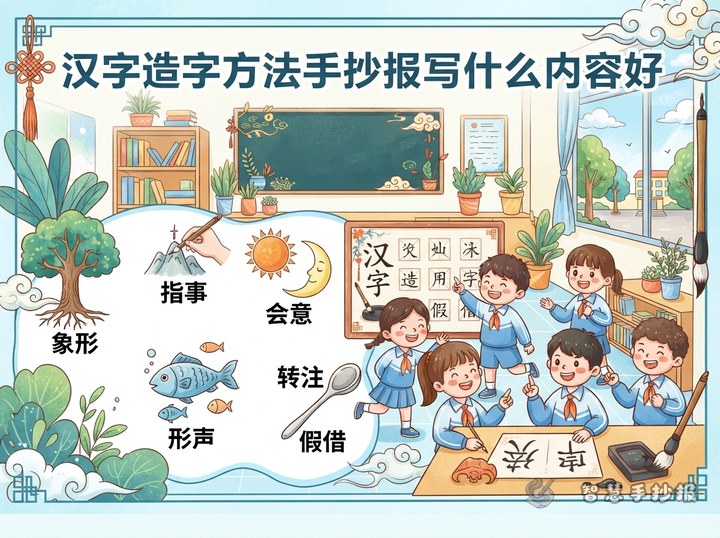
This section can include two or three short observations about why some characters are interesting. For example, some characters look connected to real objects, while others become clearer in meaning when parts are combined.
- Some Chinese characters feel like pictures.
- Some parts of characters hint at their meaning.
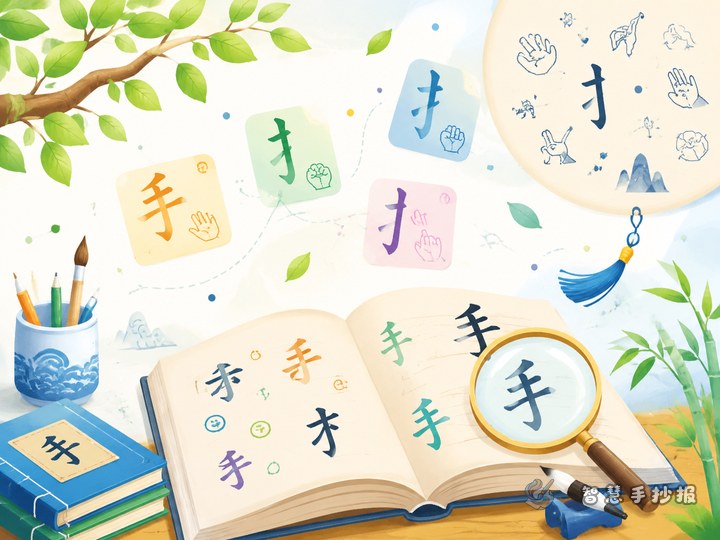
- Characters with similar components can help us notice patterns.
Riddle corner
Riddles make a handwritten newspaper more interactive. You can place three to five short riddles in a small box and put the answers in a corner so classmates can guess first.
- Keep each riddle short and playful.
- Leave a little blank space to make the section feel lively.
- Use a title like “Guess the Character” to catch attention.
Easy-to-mix-up characters
This section is both useful and easy to write. Pick a few common mistakes students often make and add a short reminder for each one. It gives the poster practical learning value.
Chinese characters in daily life
You can mention road signs, couplets, textbooks, labels, shop signs, or packaging. This helps show that Chinese characters are part of everyday life, not only something in class.
Short text material you can copy
Chinese characters are an important part of traditional culture. They do more than record language. Many of them carry vivid meanings, interesting structures, and cultural imagination. When we observe characters carefully, we find that each one is more than a symbol. It can reflect shape, sound, and meaning at the same time.
Learning Chinese characters is not only about reading and writing them correctly. It is also about understanding how to use them carefully and appreciating their cultural beauty. Making a handwritten newspaper on this topic can help students build interest in language learning in a relaxed way.
A layout that is simple but lively
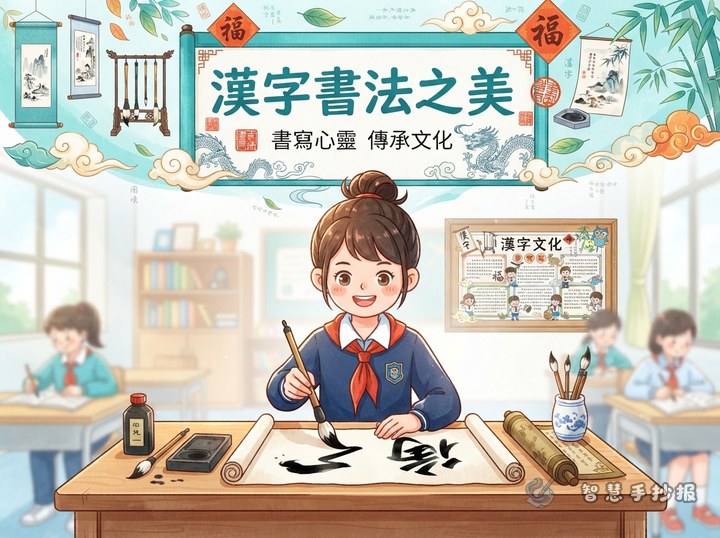
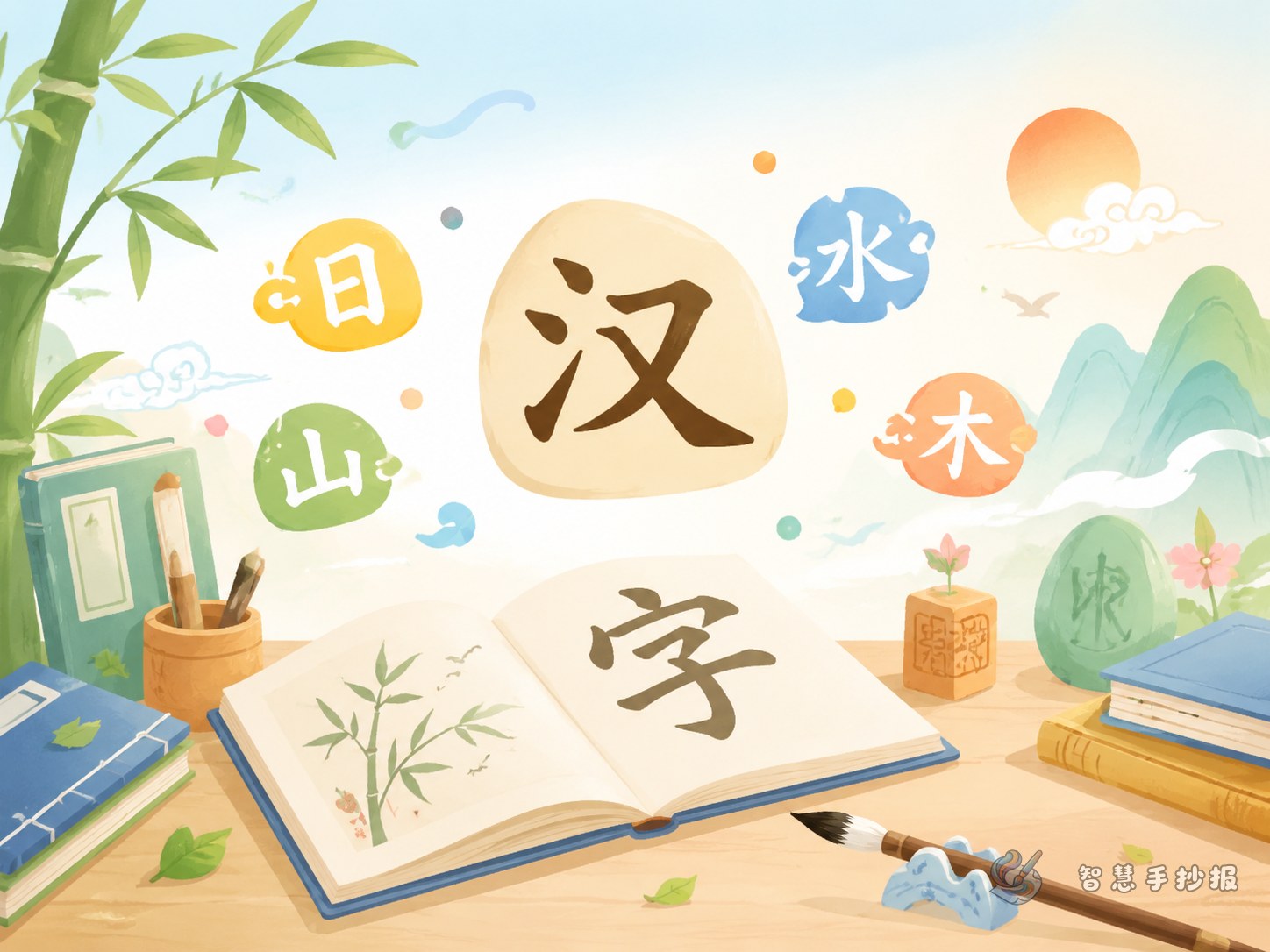
A very suitable layout for this topic is a large title in the center with content sections around it. You can place riddles, fun facts, daily-life examples, and mistake reminders in separate blocks so the page feels full but still clear.
- Make the title bold and cheerful.
- Keep each section short instead of writing long paragraphs.
- Use light colors to separate different blocks.
- Add small decorations such as brushes, seals, books, or speech bubbles.
If there is not much space, use lists and short sentences instead of long explanations. This makes the page easier to handwrite and easier to read.
Small details that improve the final result
To make the handwritten newspaper feel more complete, add a few theme-related decorations such as brush shapes, seal-style squares, simple scroll borders, or tiny character icons. Highlight only the key words in bold heading style so the whole page stays clean.
Try to keep one visual style across the page. If the title looks traditional, choose more classic decorations. If the title is playful, use cartoon books, labels, and game-like boxes. After writing all the content, adjust spacing and alignment for a better finish. If you want a faster way to polish the layout, you can continue in the Smart Handwritten Newspaper WeChat mini program.