Why choose a sunflower observation theme
Sunflowers are a great choice for a plant observation poster because their changes are easy to notice. From planting the seed to sprouting, growing leaves, and forming a flower head, each stage gives students something clear to record. The plant is also bright and cheerful, which makes the poster easier to decorate.
Instead of turning the page into a general science article, focus on “my sunflower growing record”. A timeline with personal observations makes the poster feel real and student-friendly.
Useful sections to include on the poster
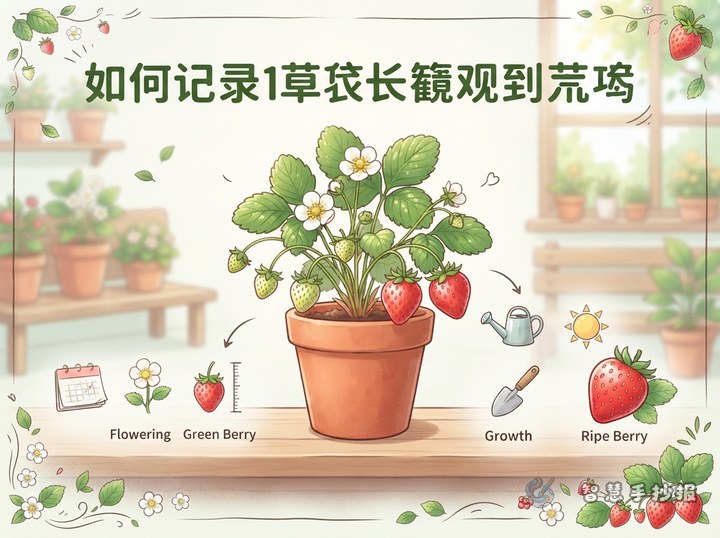
- Plant profile: name of the plant, planting date, place, and what kind of pot or soil was used.
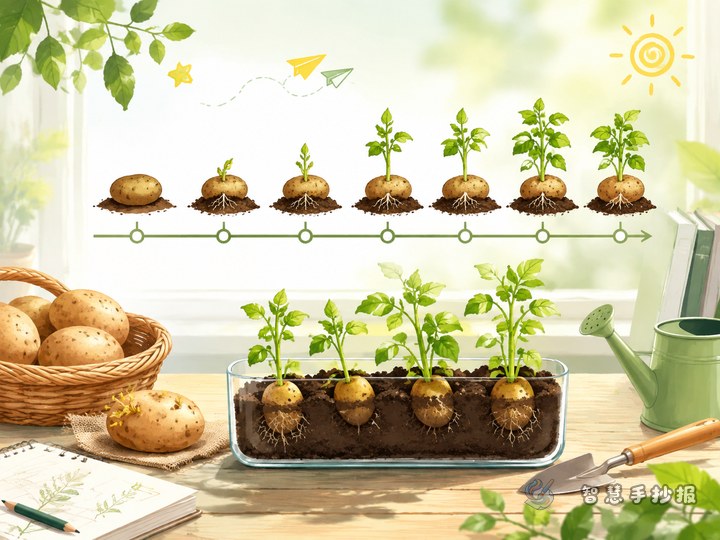
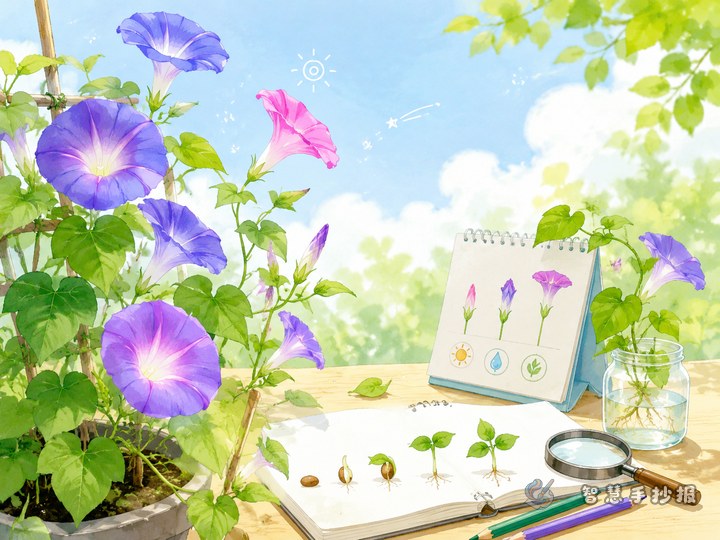
- Weekly observations: record height, leaf number, and color changes by week.
- What I noticed: for example, the stem became stronger, the leaves turned toward sunlight, or the plant looked healthier after watering.
- Care tips: enough sunlight, proper watering, and gentle care.
- My thoughts: write about patience, responsibility, and the fun of observing growth.
How to write the observation notes naturally
The best way is to write short record-style sentences instead of one long paragraph. For example:
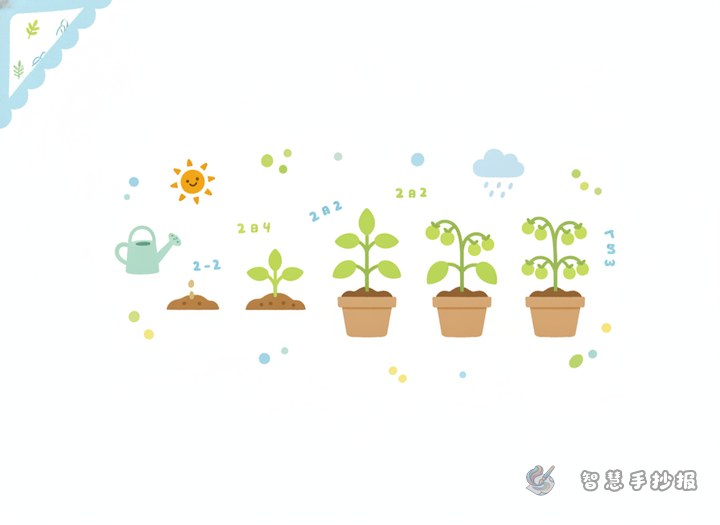
- Planting day: I put the seed into soft soil and watered it lightly.
- After one week: A tiny green sprout came out of the soil.
- After two weeks: The seedling grew taller and the leaves became bigger.
- Later stage: I noticed the plant always leaned toward the sunny side.
This style is clear, simple, and easy to place into different sections. You can also add a conclusion like careful observation helps us notice small but important changes.
Try a tall vertical layout for the page
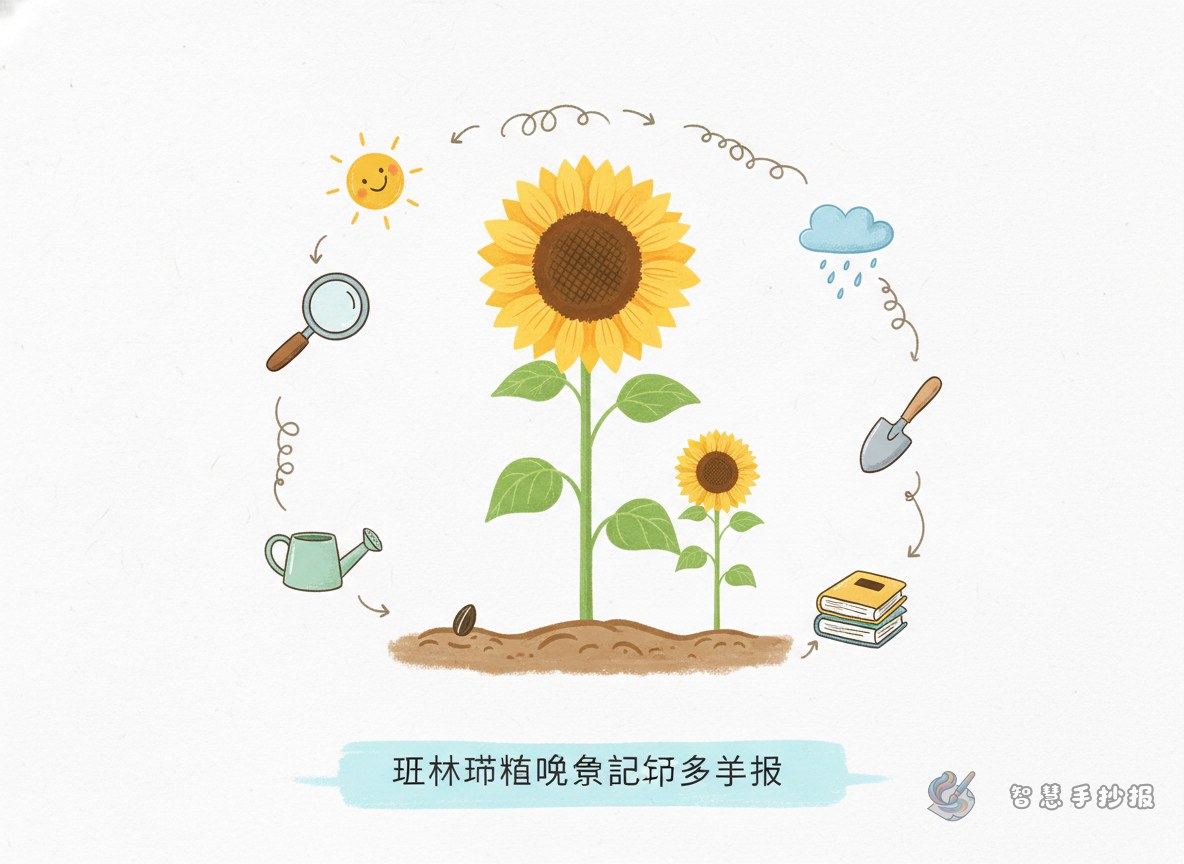
A sunflower theme works especially well with a vertical design. Draw a tall sunflower in the center of the page, then place the text sections on both sides. This makes the whole poster look like it is growing upward.
- Top area: the title in yellow or orange with small sun shapes.
- Center area: a sunflower stem rising up the page.
- Left side: planting record and weekly notes.
- Right side: discoveries and care tips.
- Bottom area: a short reflection or lesson learned.
Yellow, green, and light brown are a good color combination for a neat plant-themed poster.
Small details that make the poster better
To make the work stand out, add specific and honest observations such as “the leaf edges opened wider today” or “the plant grew more slowly on cloudy days.” These details make the poster feel like a true growing record rather than copied information.
You can also add a small section called what I want to improve next time, such as watering on time or observing at the same hour every day. This gives the poster a more complete project feel.
How to end the poster well
The ending does not need to be long. A short reflection is enough. For example: Through growing a sunflower, I learned to care for a plant patiently and understood that sunlight, water, and time all matter. Every small change was worth recording.
If you already have your topic and sections, you can continue organizing the layout and title ideas in the Zhihui Shouchaobao WeChat mini program to turn your notes into a cleaner and more attractive poster.