Set the Main Idea First: Protection Does Not Mean Getting Close
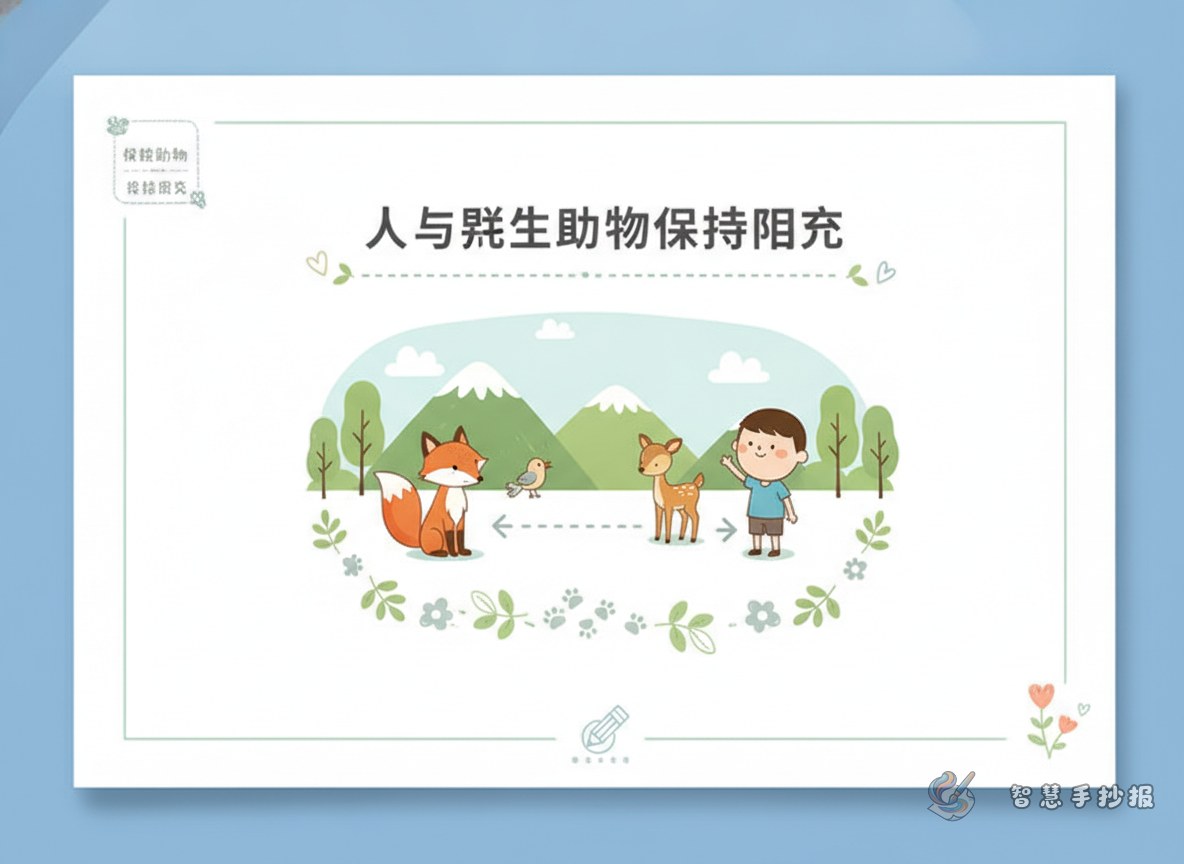
When students make an animal protection handwritten newspaper, they often focus only on how cute animals are. A better theme is keeping a safe distance from wildlife, because it teaches respect for animals and their natural environment. Not chasing, not feeding, and not disturbing them should be the key message.
You may use titles like “Living in Harmony with Wildlife,” “The Best Care Is Respectful Distance,” or “See Wildlife, Don’t Disturb Wildlife.” A short subtitle can help readers understand the purpose quickly.
Useful Sections to Build the Page
If you do not know how to begin, divide the page into several small content blocks. This makes the handwritten newspaper easier to write and easier to read.
- Why distance matters: Wild animals need freedom. Getting too close can frighten them, injure them, or change their feeding and migration habits.
- What not to do: Do not feed wildlife, chase animals for photos, touch babies, take eggs, or damage nests.
- What to do if you see an animal: Stay calm, watch quietly, move away slowly, and do not shout or throw things.
- What students can do: Protect trees, avoid littering, reduce waste, and share wildlife protection ideas with others.
This structure is simple, practical, and suitable for elementary school projects.
Short Sentences Students Can Use
The wording on a handwritten newspaper should be brief and direct. Here are some lines that can be copied or adapted.
- Real protection means letting wildlife live freely.
- Not disturbing animals is a gentle kind of care.
- Do not feed wildlife and change their natural habits.
- Protecting habitats means protecting life itself.
- When people and nature live in harmony, Earth becomes a better home.
If there is still space on the page, add a short call to action such as “Start with me, be a respectful observer.”
Creative Layout Ideas
This topic works well with a “center title plus surrounding sections” design. Put the main title in the middle and place four content boxes around it for reasons, reminders, actions, and slogans. This layout gives the page a clear visual center and keeps it tidy.
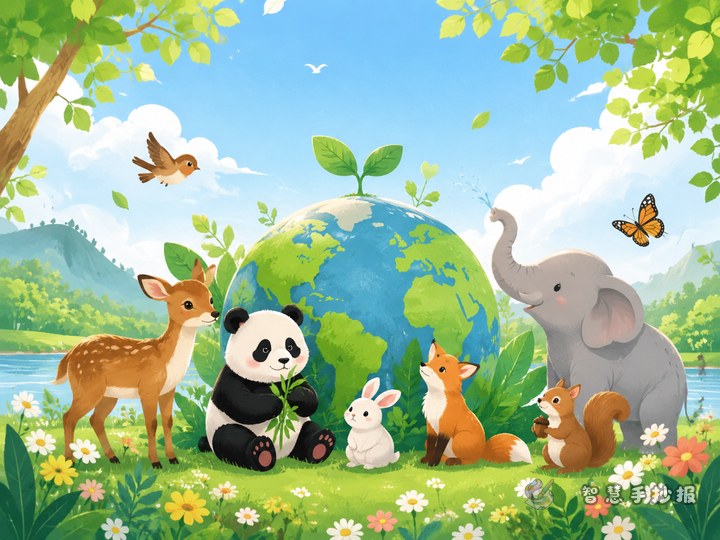
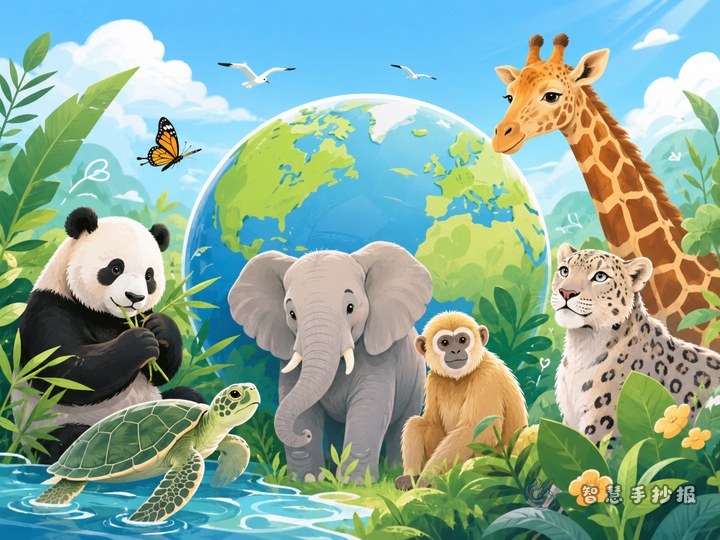
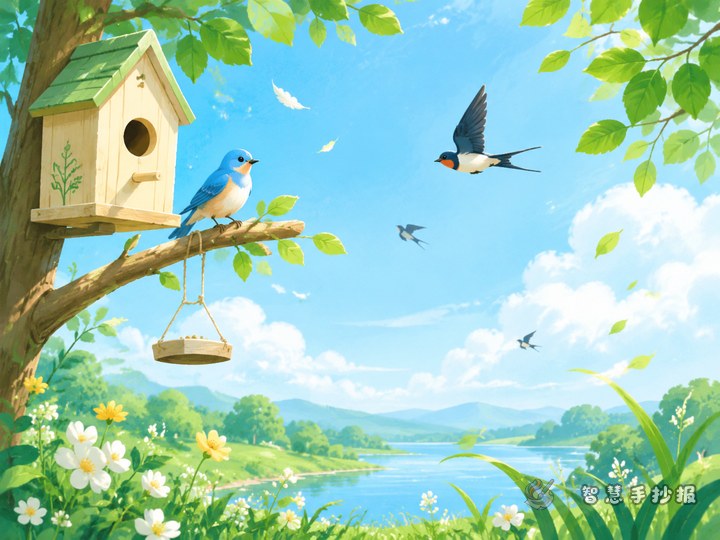
Decorations can include leaves, vines, mountains, rivers, or animal footprints. Green, blue, and brown are good color choices because they match the natural theme. Small drawings of deer, squirrels, birds, or butterflies can make the page lively without distracting from the message.
Make It Feel Like a Real Handwritten Newspaper
A strong handwritten newspaper is not just a page full of facts. It should show key points at a glance. You can use reminder boxes, short appeals, and side-by-side comparisons. For example, one side can say “Do Not Do This,” and the other can say “Do This Instead.”
- Do not: chase animals, throw food, or take wildlife home.
- Do: observe from a distance, protect the environment, and tell adults or proper helpers if an animal is injured.
This format is simple, visual, and effective for school display boards and class assignments.
A Simple Ending That Fits the Theme
The ending does not need to be long. A short paragraph is enough: wildlife belongs to nature, and the best relationship humans can have with wild animals is based on respect, not possession. When we keep our distance and protect the environment, we give nature the quiet space it needs.
If you already have your topic and sections ready and want to improve the layout, polish the wording, or add more materials, you can continue your design in the Zhihui Shouchao Bao WeChat mini program.