Make the theme clear: this is about responsible choices
This handwritten newspaper is not only about animals. Its main message is that people should not buy products made from wildlife for decoration, curiosity, or consumption. A title such as “Refuse Wildlife Products” or “No Buying, No Harm” makes the purpose easy to understand.
Your opening paragraph can explain that wild animals belong in nature, not in shops or collections. Harmful purchases can lead to hunting, trapping, and damage to ecosystems. Protecting animals also means protecting balance in nature.
Build the main content with clear small sections
1. Why should we refuse wildlife products?
You can explain that when animals are hunted in large numbers, their populations fall and the food chain is affected. Many wildlife products are connected to suffering and illegal trade, so refusing them is a meaningful act.
2. What are common wildlife products?
- Ivory, bones, horns, and carved crafts
- Fur clothing or decorative accessories
- Unknown animal-based souvenirs or ornaments
- Products promoted as rare or exotic
This part does not need to be complicated. Its goal is to help students realize that attractive objects may come from harm to animals.
3. What can we do?
- Do not buy products with unclear sources
- Do not follow harmful trends for curiosity
- Speak up when you see wrong behavior
- Share animal protection knowledge with others
4. Add one strong message
A short line such as “Refusing to buy is a direct way to protect” works very well and gives the page a strong ending.
Short phrases and slogans to copy
- No buying, no harm.
- Protect wildlife, protect our natural home.
- Responsible choices begin with saying no to wildlife products.
- Let animals stay in nature, not become goods.
- Live in harmony with nature and respect every life.
If there is extra space, add a short personal promise about refusing harmful products and caring for wildlife.
Layout ideas that match the topic
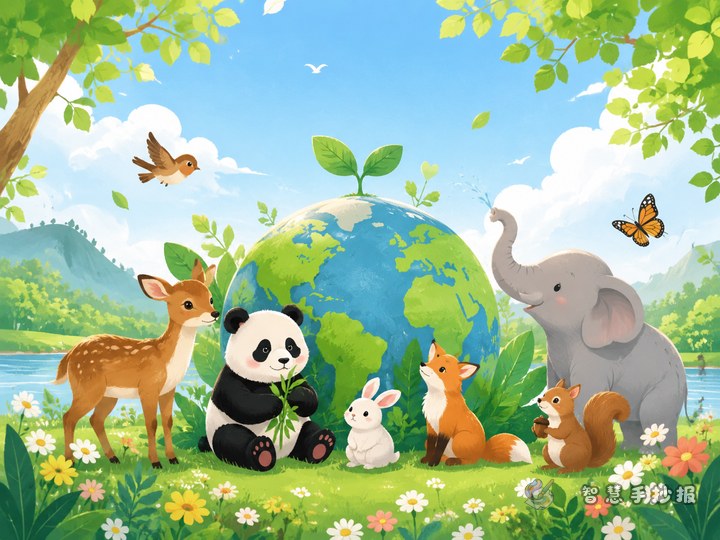
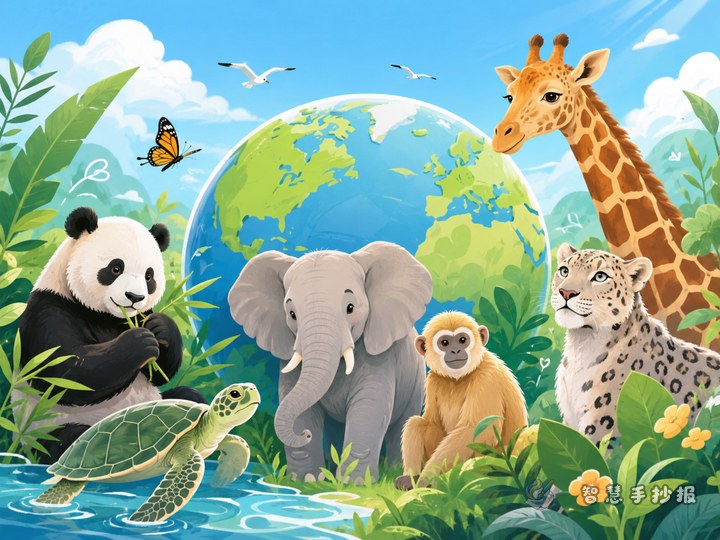
A center-focused design works well for this theme. You can draw the Earth in the middle and place silhouettes of elephants, tigers, pangolins, birds, or forests around it. This helps connect wildlife protection with harmony between humans and nature.
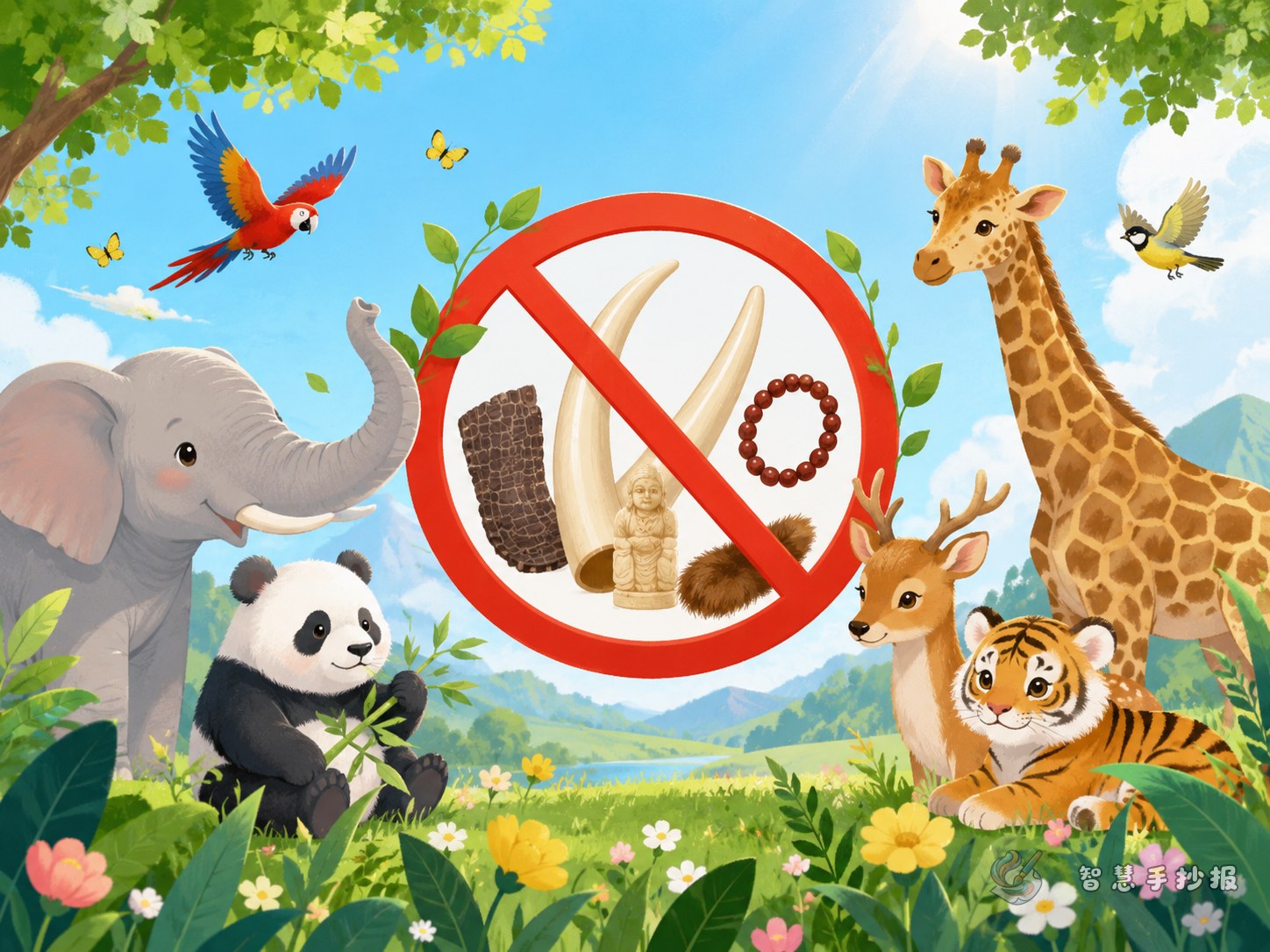
To highlight the word “refuse,” add a red prohibition sign in one corner with simple icons of ivory, fur, traps, or illegal trade. This makes the page more direct and memorable.
- Use green or dark blue for the main title
- Use red for warning icons or key reminders
- Choose light green, beige, or pale blue for text areas
Small details that make the page feel complete
You can create a section called “My Promise” and write lines such as “I will not buy wildlife products,” “I will share protection knowledge,” and “I will respect nature.” This is especially suitable for primary school students because it shows both understanding and action.
At the end, connect the message back to harmony with nature: wild animals are not products, but part of the living world. When people respect life and make wise choices, forests, rivers, and animal habitats can remain healthy. After drafting the content, you can continue improving the page in the Zhihui Shouchaobao WeChat mini program for a cleaner final design.