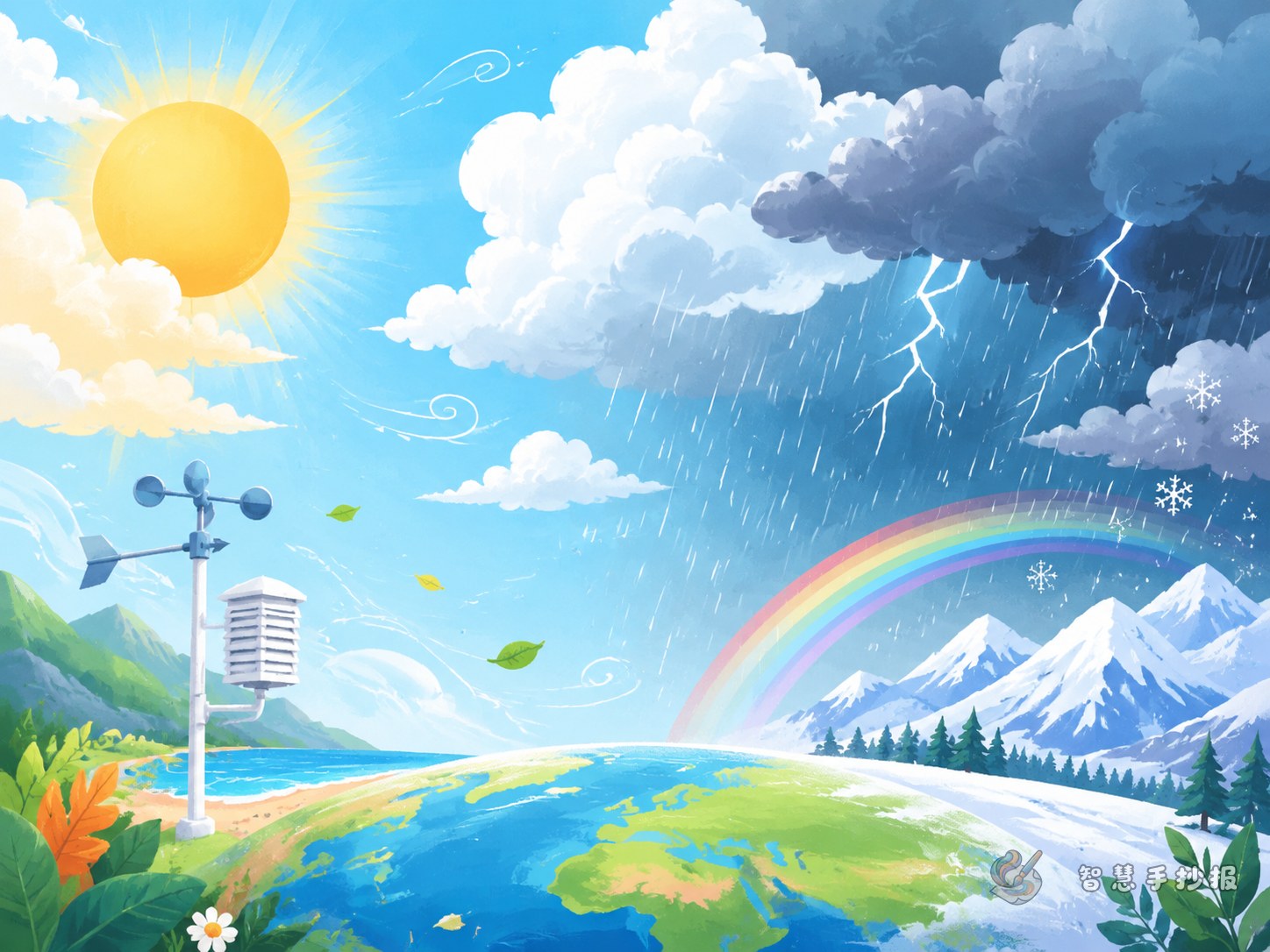
Start with the key idea: Why does weather change?
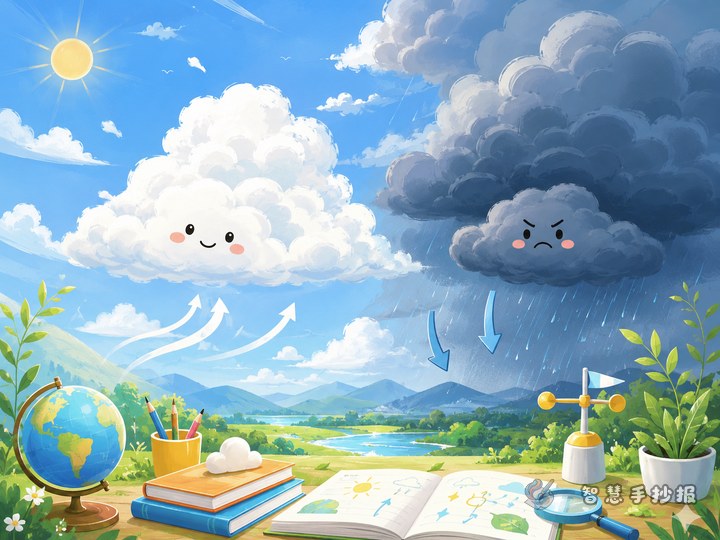
Weather is not the same every day. It changes because of temperature, wind, moisture, and clouds. The sun heats the ground, but different places warm up differently, so air begins to move and forms wind. When there is more moisture in the air and the air cools down, clouds, fog, rain, or snow can appear. That is why sunny, cloudy, rainy, and windy days all happen.
For a handwritten newspaper, the explanation does not need to be too difficult. You can simply say that sometimes the air is warm, sometimes it is cool, sometimes there are many clouds, and sometimes there are few. These changes together create different weather.
Useful sections to include on the page
Section 1: Quick weather questions
- Why is it cooler in the morning than at noon?
- Why are summer thunderstorms common?
- Why is winter often colder and drier?
Section 2: Common weather types
- Sunny: bright sky and plenty of sunlight
- Cloudy: thick clouds cover much of the sky
- Rainy: water drops in clouds become heavy and fall
- Snowy: when the air is cold enough, moisture turns into snowflakes
- Windy: moving air creates wind and can make us feel colder
Section 3: Weather symbol corner
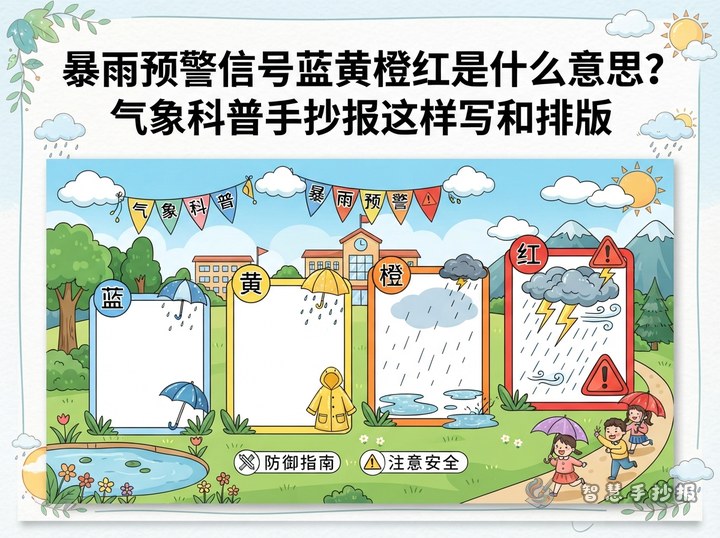
Draw simple symbols such as the sun, clouds, light rain, thunder, strong wind, and snowflakes. These small icons make the page easier to understand and more lively.
Ready-to-use writing materials
Short paragraph: Weather is closely connected to our daily life. Sunny days are good for outdoor activities. Rainy days remind us to bring an umbrella. Hot days mean we should protect ourselves from the sun and drink more water. Cold days mean we should wear warm clothes. By observing weather, we can learn science and stay safe.
Observation sentence: I think weather is like a friend with many expressions. Sometimes it smiles with sunshine, and sometimes it hides behind dark clouds. If we watch the sky, wind, and temperature carefully, we can understand nature better.
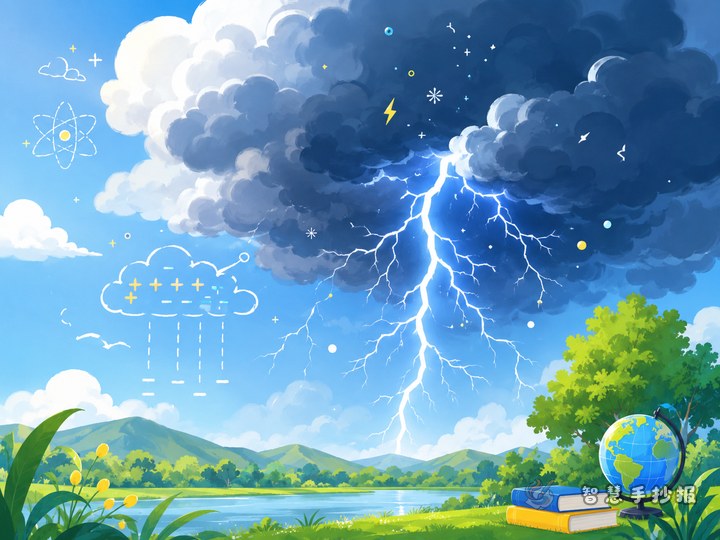
Safety sentence: Do not stand under tall trees during thunderstorms. Avoid long exposure to strong heat. Watch out for falling objects on windy days. Keep warm when cold air arrives.
Try an observation-style layout
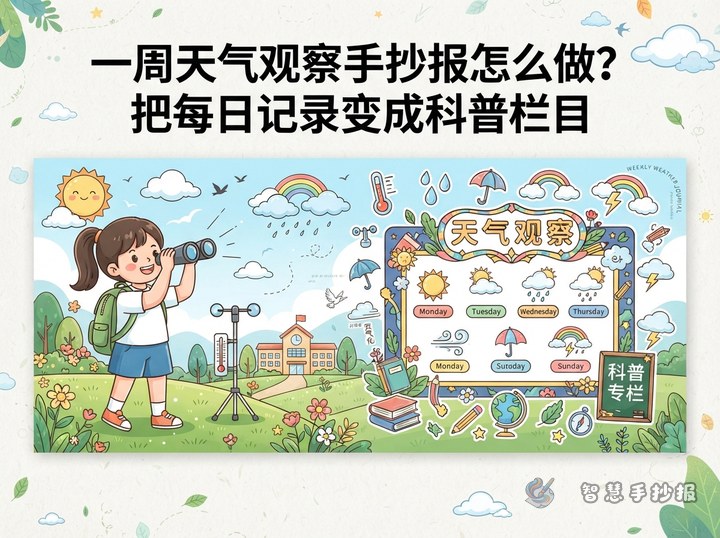
This theme works well with a layout that has a central science area and a side observation area. Put the main title and key facts in the middle, weather symbols on one side, and a weekly weather record on the other. Add safety tips at the bottom. This design looks neat and also shows learning in action.
- Use blue, light gray, and yellow for a sky-and-weather feeling
- Decorate borders with clouds, raindrops, rainbows, or wind lines
- Keep paragraphs short, about two to four sentences each
- Highlight important words like temperature, moisture, wind, and season
How to make the weekly observation section stand out
A handwritten newspaper feels more special when it includes your own notes. You can write a simple weekly record like this:
- Monday: sunny, cool in the morning and warmer at noon
- Tuesday: cloudy, the sun appears from time to time
- Wednesday: light rain, the air feels wet, bring an umbrella
- Thursday: overcast, temperature drops, feels cooler
- Friday: sunny turning cloudy, good for outdoor activities
This kind of content is especially useful for school assignments because it combines science learning with personal observation.
A simple ending for the newspaper
You can end with this idea: The weather changes quietly every day, and if we are willing to observe, we can discover many interesting secrets of nature. Let us learn about weather, care about weather, and respond to weather changes in a scientific way.
If you already have your topic and sections but want to improve the design and color matching, you can continue creating in the Zhihui Shouchaobao WeChat mini program.