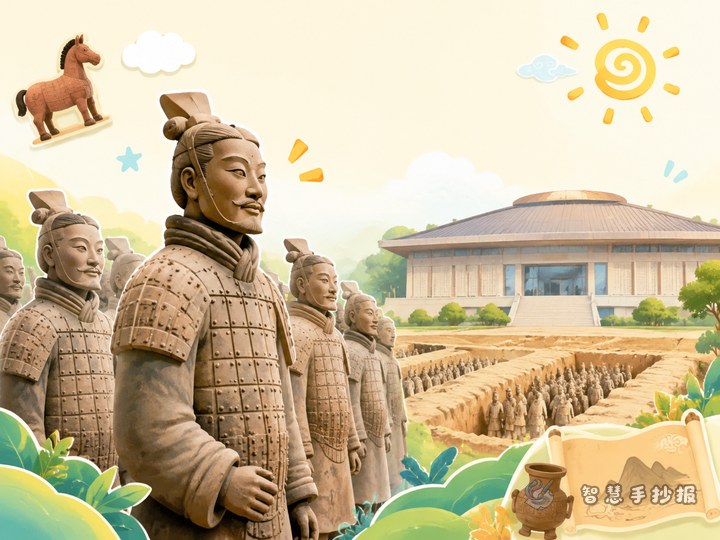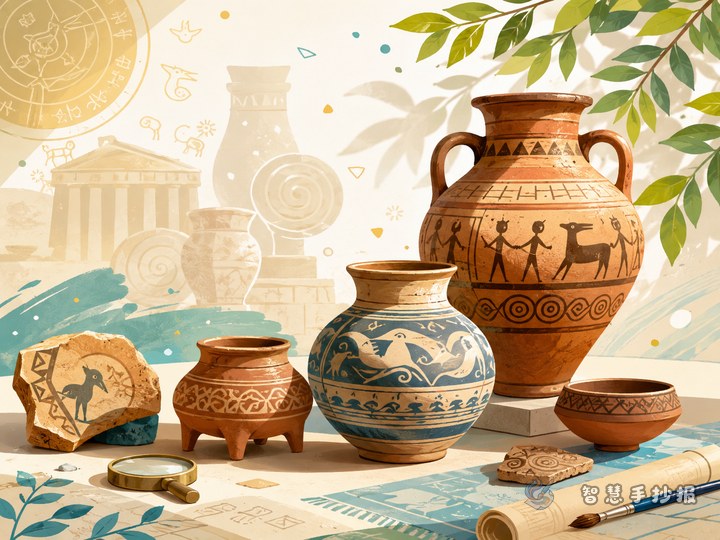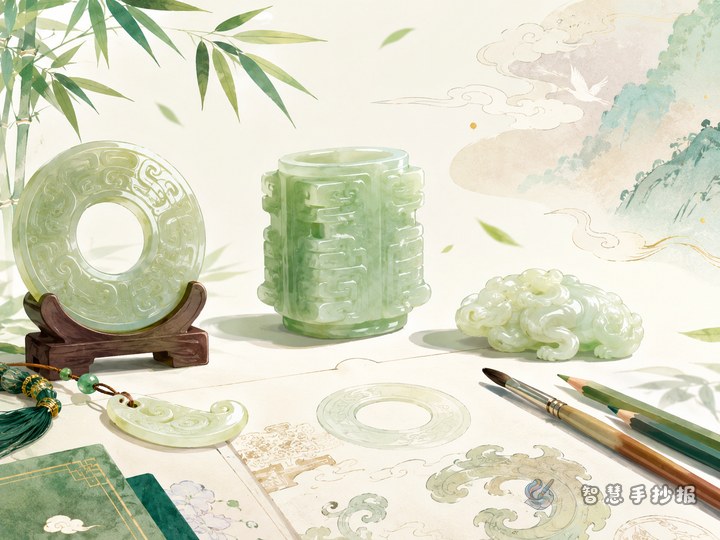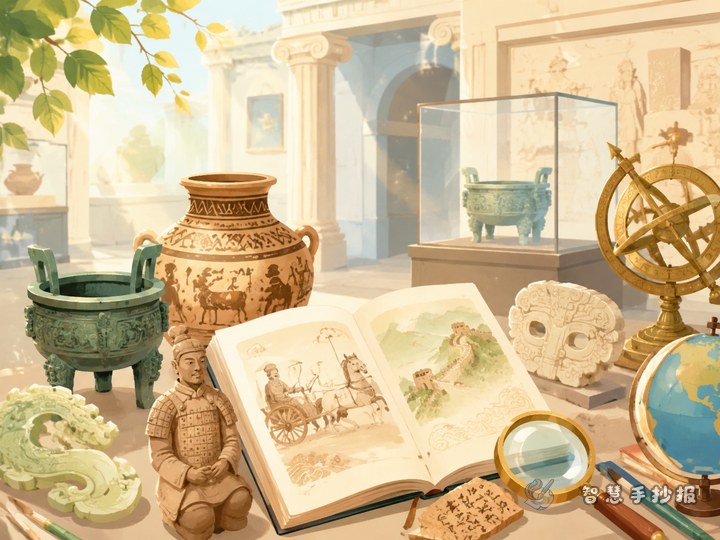
Start with one clear and workable angle
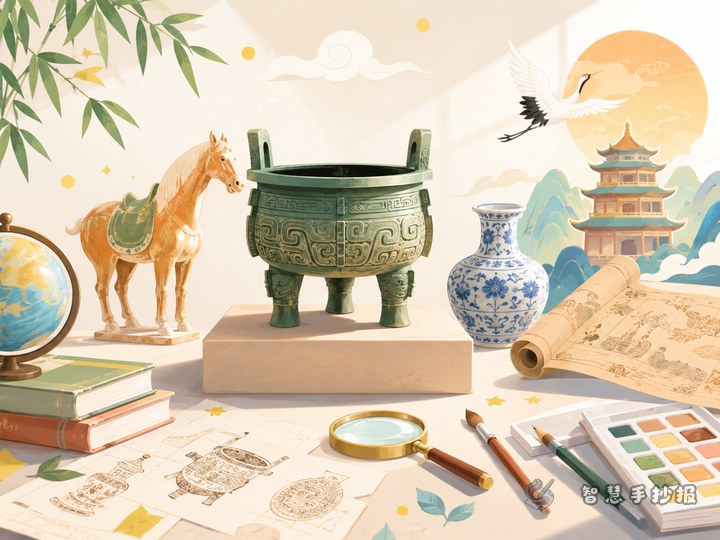
A museum and historical relics handwritten newspaper is easier to complete when the topic is focused. Instead of writing generally about museums, choose one specific direction, such as the artifact I want to introduce most, what relics tell us about ancient life, learning from museums, or my favorite treasure from history. A clear theme helps both the writing and the page structure.
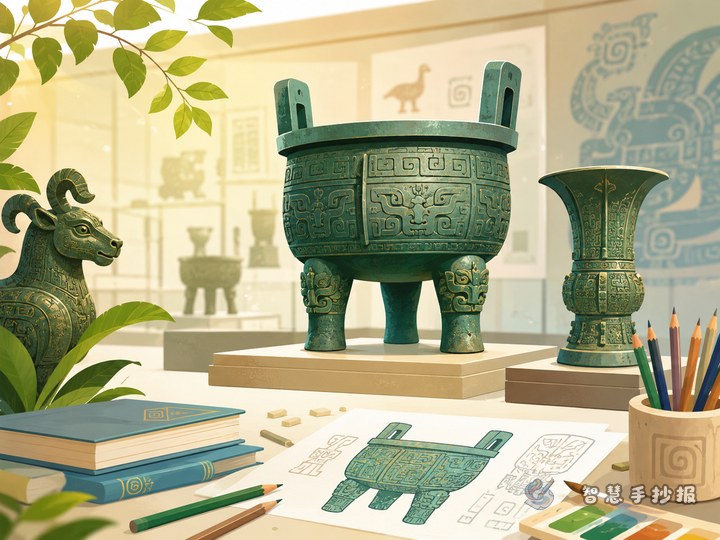
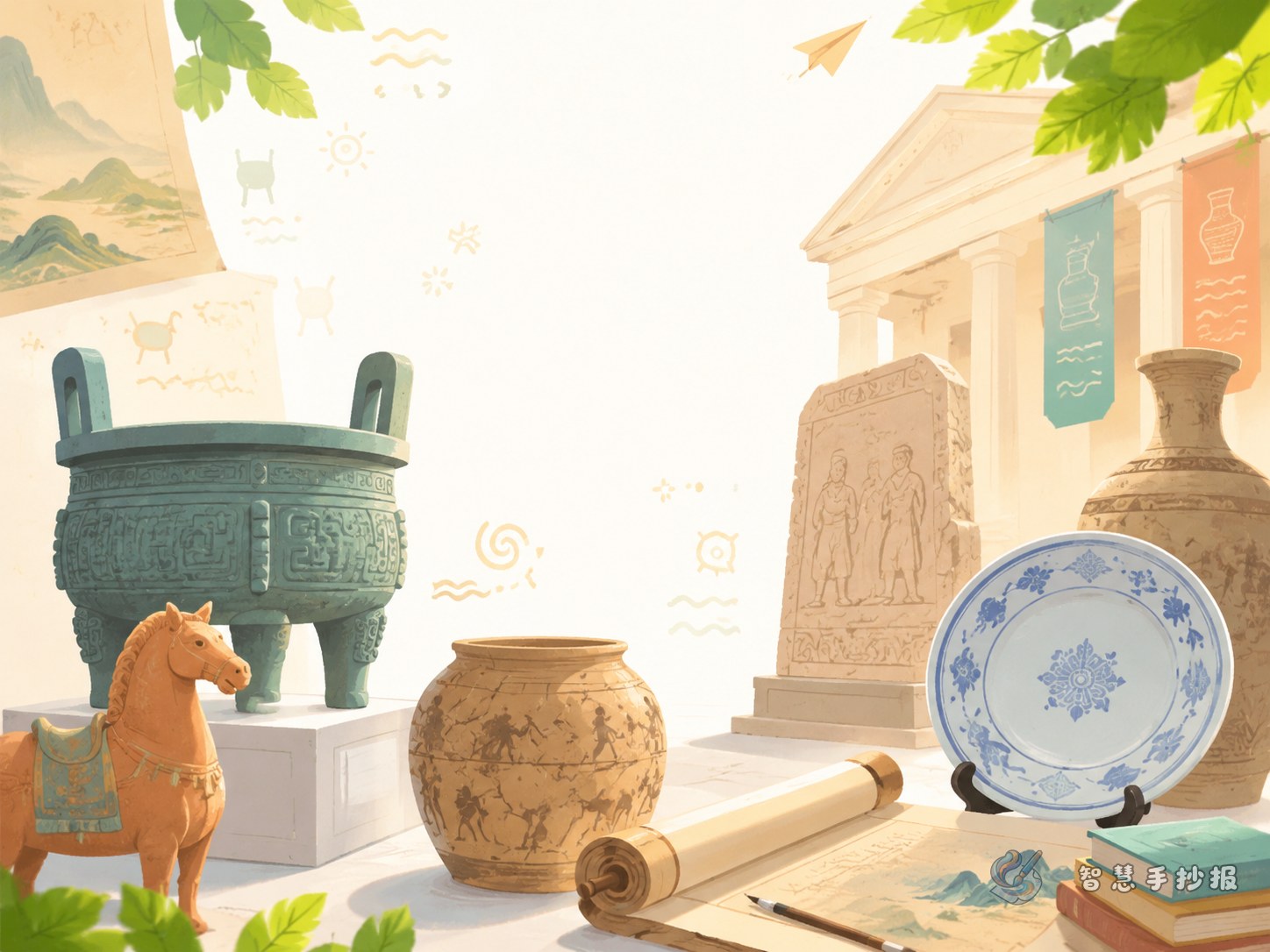
For school assignments, it is helpful to choose familiar artifact types from textbooks, such as bronzes, pottery, porcelain, paintings, calligraphy, or jade. This makes the content easier to understand and organize.
Four sections can build the whole page
Section 1: Artifact profile
This is the core section. Write the artifact’s name, time period, material, purpose, and main visual features. Keep it short and clear, almost like making an identity card for the object.
- Name of the artifact
- Historical period
- Material such as bronze, clay, porcelain, jade, or paper
- Features such as patterns, shape, color, or craftsmanship
Section 2: The story behind it
Explain why the artifact matters and what it helps us understand about history. You do not need a long explanation. Even a short note can show that a relic is not just an old object but a witness to the past.
Section 3: Museum manners
This is a practical and meaningful section. You can write tips such as speaking softly, not touching exhibits, not running, following photo rules, and keeping public spaces clean.
Section 4: My thoughts
Write how you feel after learning about the artifact. Even if you have not visited a museum, you can still say what you learned, what surprised you, and why protecting relics matters.
Easy writing ideas you can use directly
If you do not know how to begin, try writing in four steps: appearance, use, meaning, and reflection. First describe what the artifact looks like, then explain what it was used for, next tell what it reveals about history, and finally add your own thought.
- Appearance: The object has a balanced shape, refined patterns, and an ancient style.
- Use: It may have been used in daily life, rituals, records, or decoration.
- Meaning: It helps us understand the life and skills of people in the past.
- Reflection: Artifacts do not speak, but they quietly preserve history.
You can also add short lines to decorate the page, such as “Relics carry history, museums protect civilization” or “One artifact opens a window to the past.” These work well as mini headings or corner notes.
Create a page that feels like an exhibition hall
This topic looks especially good when the layout feels like a museum display. Place the main title at the top center and style it like a signboard. Then divide the page into neat boxes that look like exhibit cases.
- Main title area: use a bold heading with stamp, ticket, or scroll decorations
- Center area: leave space for one featured artifact drawing or framed shape
- Side sections: place the profile, story, etiquette, and reflection here
- Corner decoration: use cloud patterns, classic motifs, labels, or a timeline
For colors, try beige, brown, teal, or brick red instead of bright neon shades. These tones match the calm and historic feeling of museum themes.
Simple production tips for students
The goal is not to add as much information as possible. A successful handwritten newspaper should be clear, neat, and unified. Sketch the title and section boxes first, then decide how many lines each part needs. This helps prevent a crowded page.
If you are short on time, use a simple structure with one main artifact, two small knowledge sections, and one reflection box. If you want to refine the layout, expand the wording, or continue designing your page, you can keep working in the Smart Handwritten Newspaper WeChat mini program.