Build the theme around life in the ocean
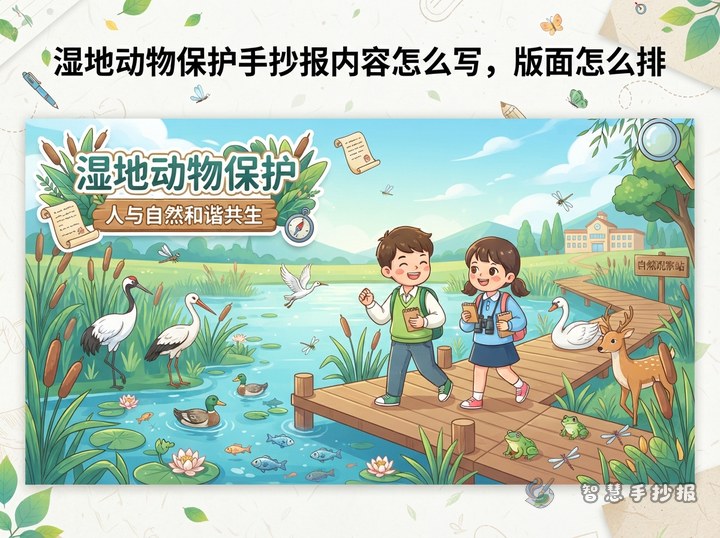
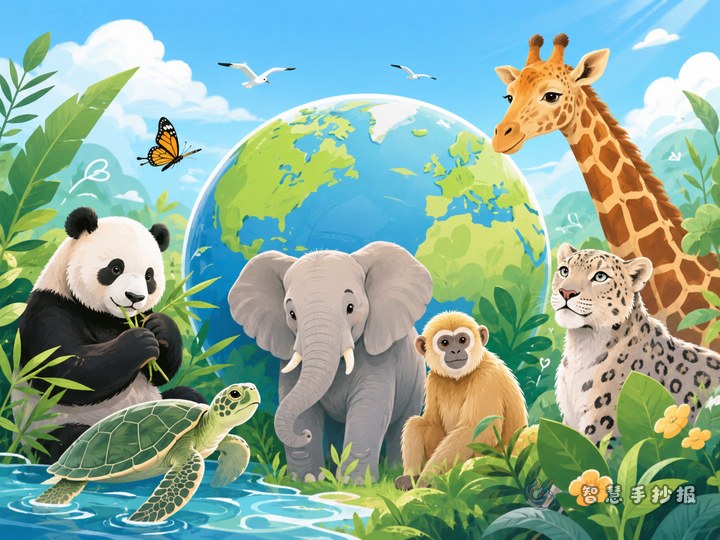
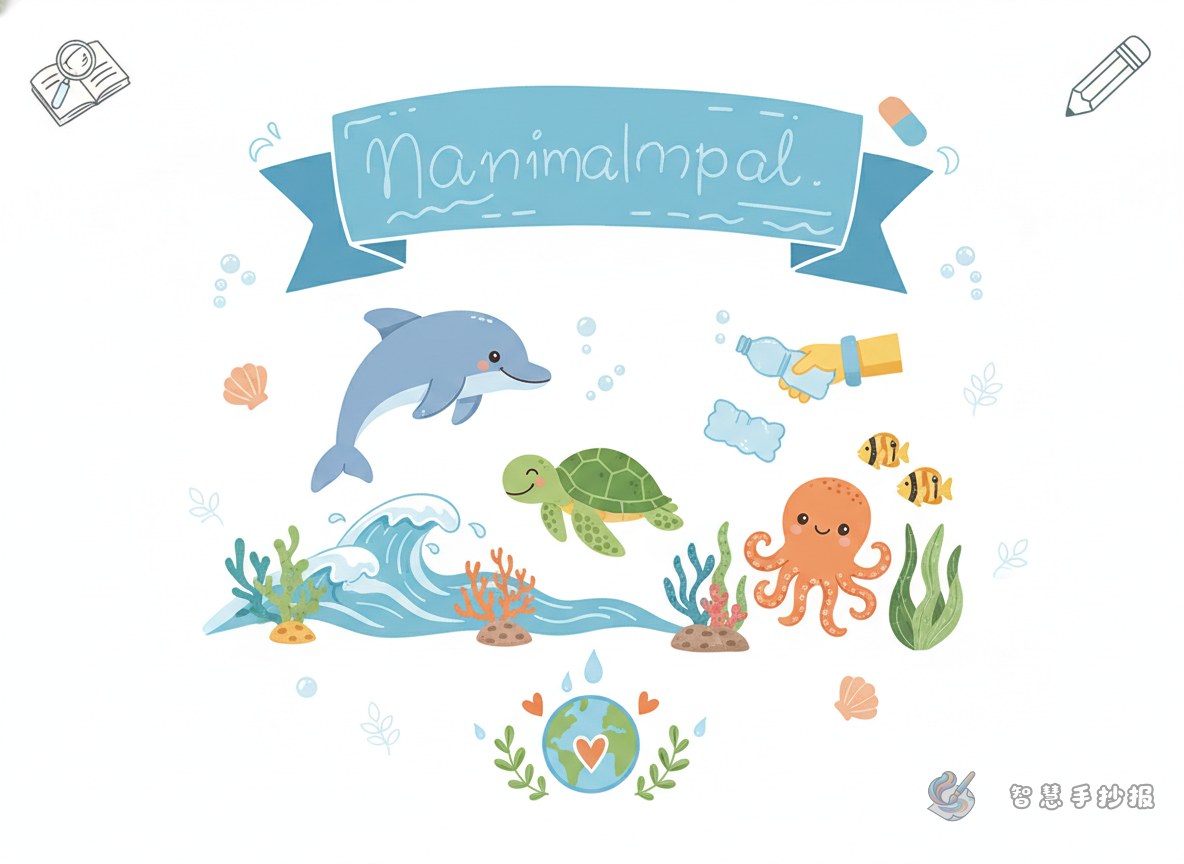
A marine animal protection handwritten newspaper should not stay too general. Instead of only writing “protect animals,” center the page on ocean life such as sea turtles, dolphins, whales, clownfish, and coral reef creatures. This makes the topic clearer at first glance.
You can also add a short line beside the title, such as Protect the Blue Home, Let Sea Animals Live Freely, or Save the Ocean, Save the Future.
Use simple sections that are easy to understand
Section 1: Who lives in the ocean
Introduce a few sea animals in short sentences. For example, sea turtles travel long distances, dolphins are intelligent, whales are huge, and coral reefs are homes for many sea creatures. Keep the information brief and friendly for young readers.
Section 2: What dangers do they face
This part can mention plastic waste, water pollution, overfishing, and damage to marine habitats. Use simple examples, such as plastic bags harming turtles or polluted water affecting fish and coral.
Section 3: What can we do
- Use fewer disposable plastic products
- Do not throw rubbish into rivers, lakes, or the sea
- Protect water resources and reduce pollution
- Share ocean protection knowledge with others
- Practice eco-friendly habits every day
Short writing materials you can copy or adapt
If you need ready-to-use sentences, choose from these ideas:
- The ocean is a shared home for many animals, and it needs our care.
- Clean seawater helps marine life grow safely and healthily.
- Protecting sea animals also helps protect the balance of nature.
- Less plastic waste means fewer dangers for turtles and fish.
- People and nature should live in harmony, and the ocean deserves respect and protection.
You can also add your own ending sentence, such as I want to be a young ocean protector from today on.
Design the page like an undersea map
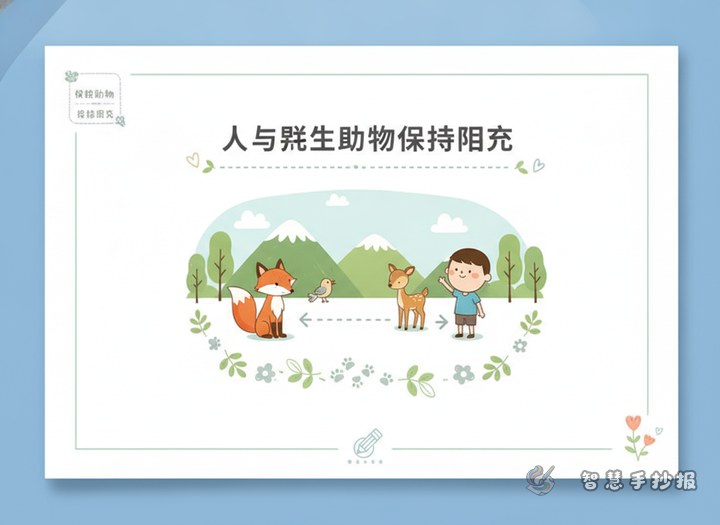
This topic looks great with a scene-style layout. Put the main title in the center and place smaller sections around it, as if the page were an undersea world. Wavy borders, bubbles, shells, fish, and seaweed can connect different parts of the poster.
- Place a bold title at the top or center
- Use the left side for animal introductions
- Use the right side for ocean dangers
- Put actions and promises near the bottom
- Fill small blank spaces with coral, starfish, or waves
If you want the page to look neat, lightly sketch the section boxes first and then write inside them.
Small details that make the poster look better
Choose blue, turquoise, and light green as the main colors to match the ocean theme. The drawings do not need to be complicated. A whale tail, a turtle outline, small fish, or coral shapes can already make the page lively and clear. Leave some blank space so the poster does not look crowded.
If you want to keep improving the title style, section arrangement, or overall look, you can continue your design in the Zhihui Shouchao Bao WeChat mini program and adjust it for your class needs.