Start with a clear idea: what to include in a Forbidden City handout
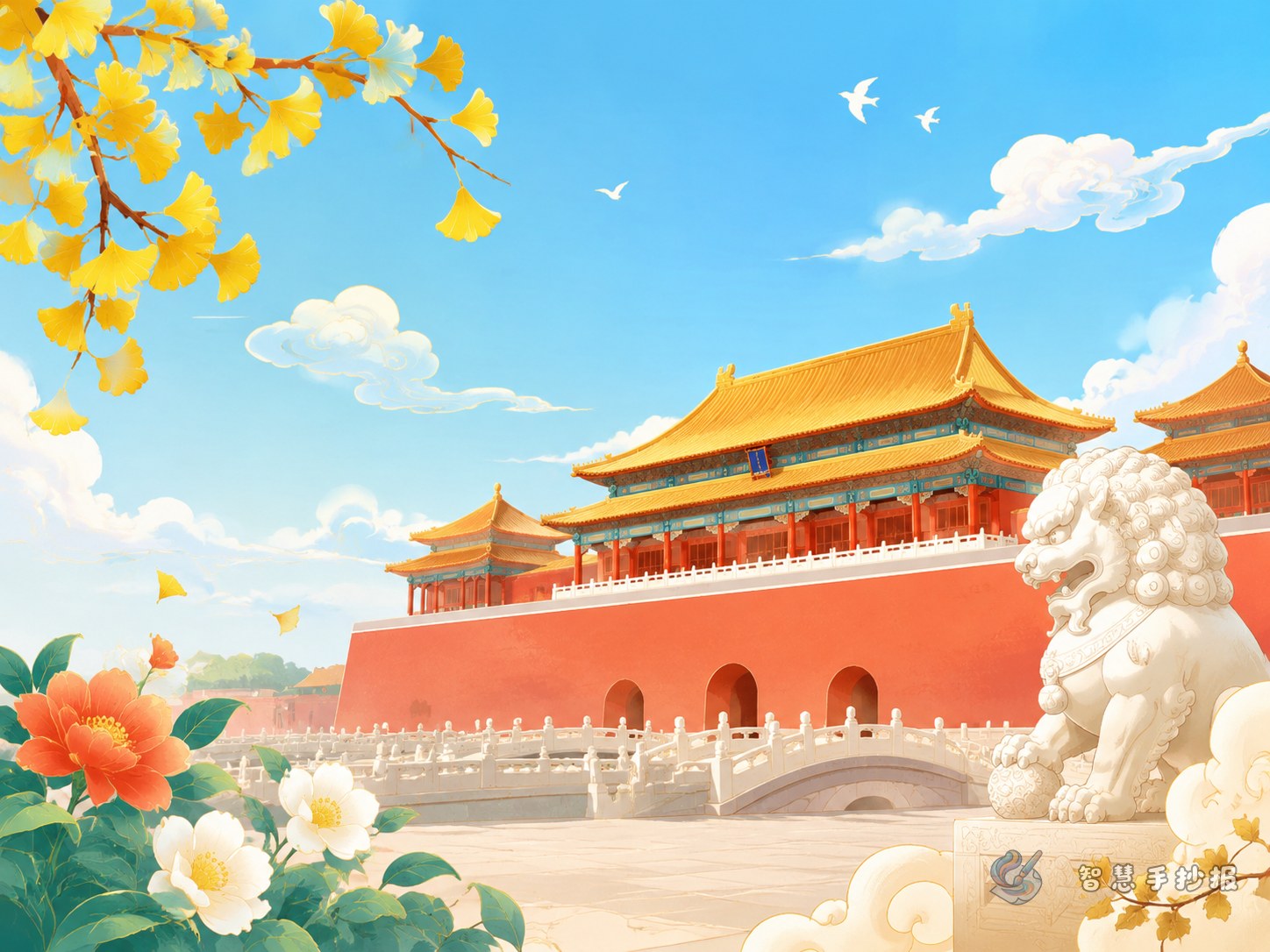
If you want a neat and interesting handwritten newspaper about the Forbidden City, a good theme is “Explore the Forbidden City and discover traditional Chinese palace architecture”. This direction lets students write about history, building features, cultural symbols, and heritage protection in one page. For children, the easiest entry points are visible details such as red walls, yellow roof tiles, palace gates, stone lions, roof decorations, and grand halls.
An easy layout that works for school assignments
A simple four-section layout is practical and easy to read. Put the main title in the center or top area, then divide the page into clear blocks.
- Section 1: A short introduction to the Forbidden City.
- Section 2: Architectural highlights such as symmetry, central axis, and palace layout.
- Section 3: Cultural details like door studs, stone lions, plaques, and roof ornaments.
- Section 4: A short reflection or a message about protecting historic sites.
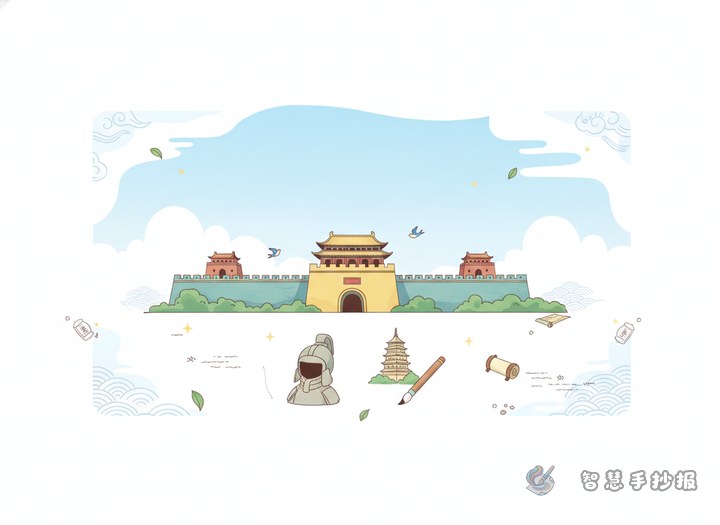
For borders, students can draw palace walls, cloud patterns, lattice windows, or roof tile designs to make the page feel closer to ancient architecture.
Ready-to-use writing material
Short introduction
The Forbidden City is in Beijing and is also known as the Imperial Palace. It is one of the most famous ancient palace complexes in China. Its grand scale, orderly layout, and striking red walls and yellow roofs show the beauty of traditional Chinese architecture and culture.
Architectural features
The buildings of the Forbidden City are arranged along a central axis, creating balance and order. The halls are magnificent and the structure reflects the wisdom of ancient builders. Roof forms, platforms, gates, and decorative parts all show the careful design of traditional palace architecture.
Cultural details
- Red is often used to show dignity and celebration.
- Yellow roof tiles are an important feature of palace buildings.
- Door studs, roof animals, and stone lions are memorable details students can observe and draw.
How to make the page look truly like the Forbidden City
Many students draw a general ancient building, but a Forbidden City handout should include recognizable palace elements. The title can use red and gold tones. Small illustrations can include a palace gate, layered rooftops, lanterns, clouds, white stone steps, or guardian lions. A color scheme of red, yellow, gold, and gray is a good choice because it feels bright, classic, and easy to match.
If there is enough space, students can draw a simple central axis line and mark several main halls. This makes the page more organized and gives it a stronger heritage theme.
A strong ending for the handout
The ending can focus on three ideas: appreciating traditional culture, protecting historic sites, and visiting respectfully. This helps the handout feel complete instead of ending with facts only.
For example: The Forbidden City is not only an ancient palace, but also a living book of Chinese history and architecture. By learning about it, we learn more about the beauty of traditional culture. If you want to continue improving your layout, title design, or decorative ideas, you can also explore more making tools in the Smart Handwritten Newspaper WeChat mini program.