Start with a clear angle: turn old streets and historic buildings into hometown memories
If you want a hometown culture poster that feels special and not too common, choose old streets and historic buildings as the main theme. This angle connects local history, daily life, and regional character in a simple way.
You can begin by introducing one familiar place from your hometown, such as an old street, ancient bridge, city gate, arcade building, earth house, cave dwelling, or traditional home. The key is to explain why it represents your hometown so well.
How to organize the page: make it feel like a walk through a street
A guided-street layout works very well for this topic because it gives the whole poster a natural reading order.
- Center title area: Place your main title here and decorate it with rooflines, lanterns, stone paths, or window patterns.
- Left section: Introduce one important old building and describe its appearance and background.
- Right section: Write about everyday life in the old street, such as markets, neighbors, festivals, or small shops.
- Bottom section: Add your own thoughts about why this place matters to your hometown.
If you still have space, add a small box for building facts or ideas about protecting local heritage.
Ready-to-use writing material
1. Opening paragraph example
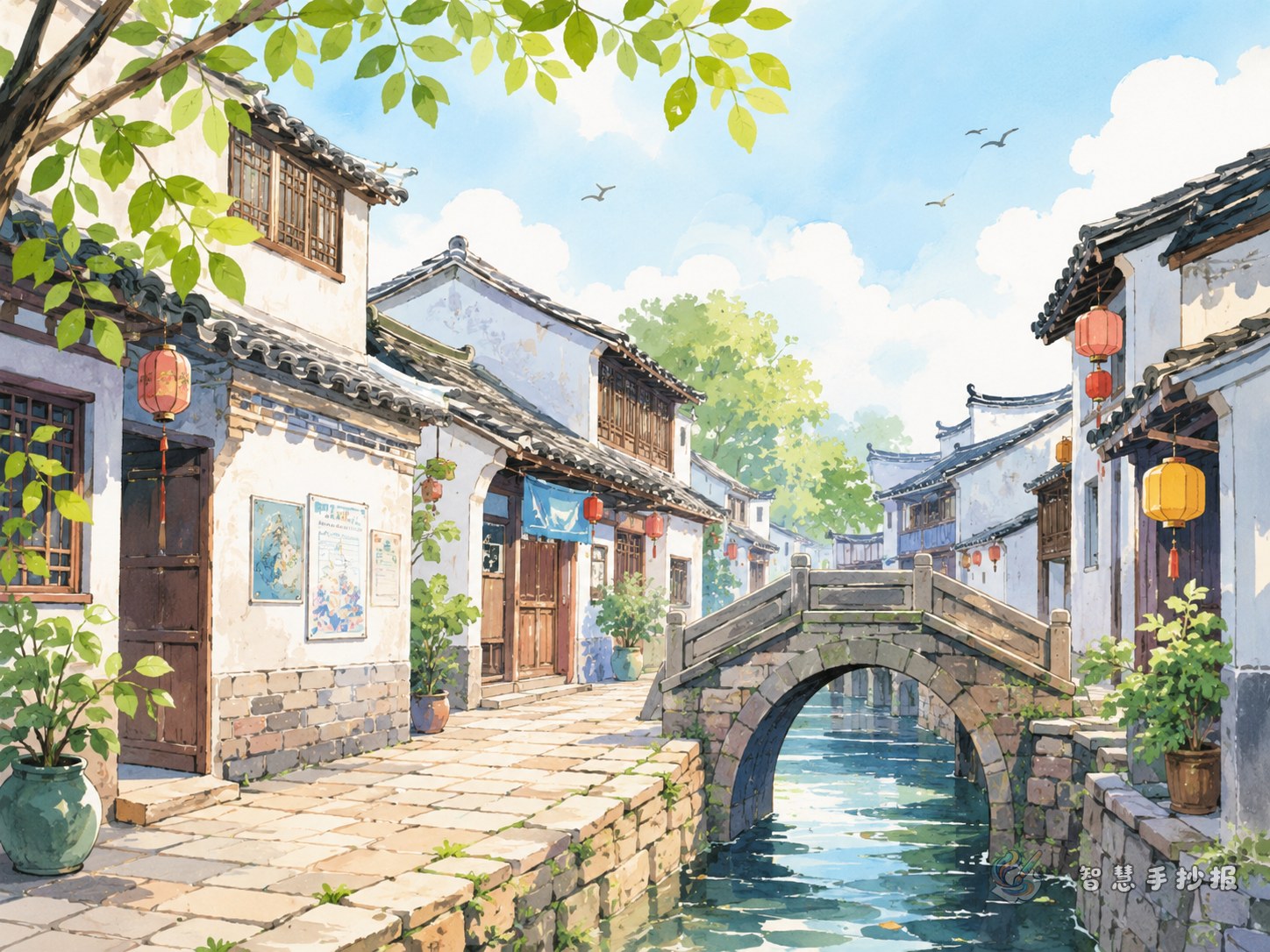
There is an old street in my hometown full of stories. The stone road remembers many footsteps, and the wooden doors, gray tiles, and carved windows keep the local style alive. Walking there feels like reading a living history book of my hometown.
2. Historic building description example
Historic buildings in my hometown are not only beautiful, but also practical. Some stay cool in summer and warm in winter. Some roofs help block rain and sun. Their materials, colors, and shapes all show the wisdom and character of local people.
3. Daily life description example
The most charming part of an old street is not just the buildings, but the lively atmosphere. In the morning, shops open one by one. Older people chat by the doorway. During festivals, lanterns light up the street, and children play in the lanes.
4. Ending paragraph example
Old streets and historic buildings are important symbols of local culture. They help us remember the past and value the present. Protecting them means protecting the cultural memory of our hometown.
Decoration ideas that match the topic
Your drawings do not need to be complicated. Simple details related to architecture can make the whole poster look more unified.
- Draw roof tiles, curved eaves, door rings, lanterns, stone bridges, and wooden windows.
- Use brick, wood, or traditional border patterns around the page.
- Add small icons such as road signs, stairs, maps, or paving stones.
- Choose earthy colors like brown, gray, brick red, and dark green for a classic look.
If you want to improve the layout more quickly, you can also explore more poster ideas and neat section arrangements in the Smart Handwritten Newspaper WeChat mini program.
How to make the writing stronger
Many students write very general sentences such as “My hometown is beautiful.” A better way is to add real details: the sound of the market, the shape of the old windows, the color of the wall tiles, or the feeling of walking on a stone road.
You can also compare the past and the present. For example, an old street may once have been a busy center of daily life, and now it has become a symbol of local culture. This makes your poster more thoughtful.
Helpful section title ideas
- A Name Card for My Hometown Old Street
- The Most Special Building
- Life in the Old Lanes
- The Story Behind the Architecture
- How I Can Help Protect Local Culture
You do not need to use every section. Choose three to five parts, keep the layout clean, and make the decorations match the theme. That will help your hometown culture poster look both meaningful and beautiful.