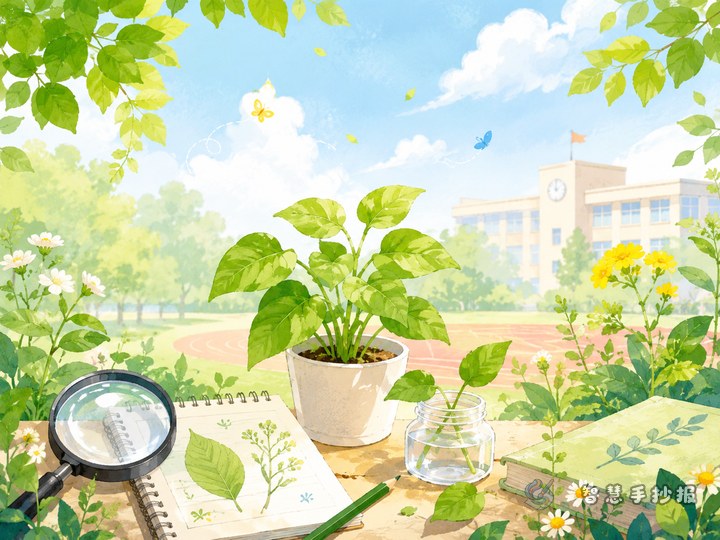
Start with a plant story children can really observe
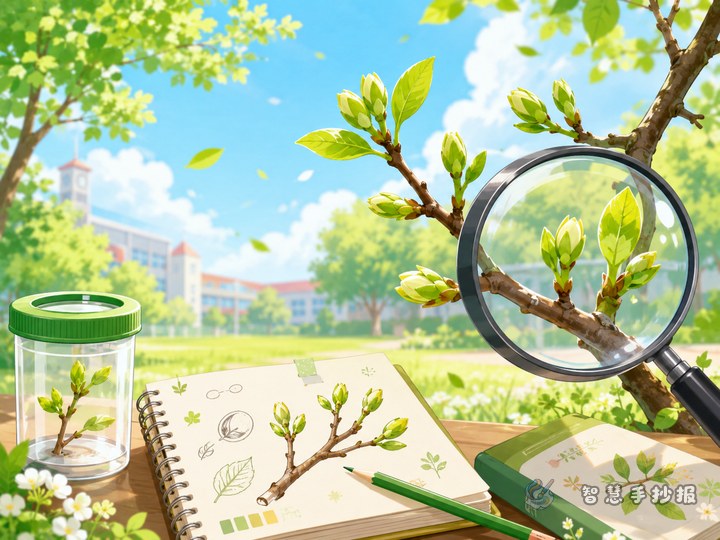
For a campus plant observation and planting record poster, the best topic is a plant students can see often or grow by themselves. Good choices include mung bean sprouts, scallions, sunflowers, pothos, or marigolds. A practical poster does not need too many plant facts. It should focus on what the student saw, how the plant changed, and what was learned from caring for it.
You can present the poster as a small growth diary. This makes the content clear, personal, and easy for primary school students to complete.
What sections can be included on the poster
- My observation subject: plant name, where it was found or planted, and why it was chosen.
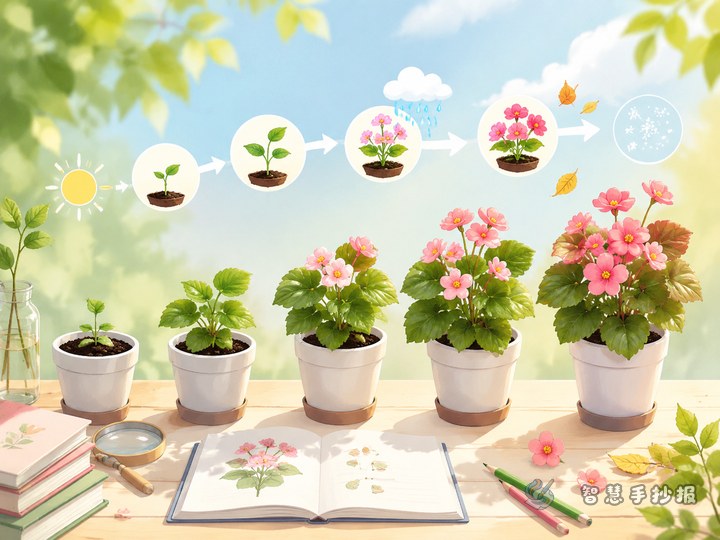
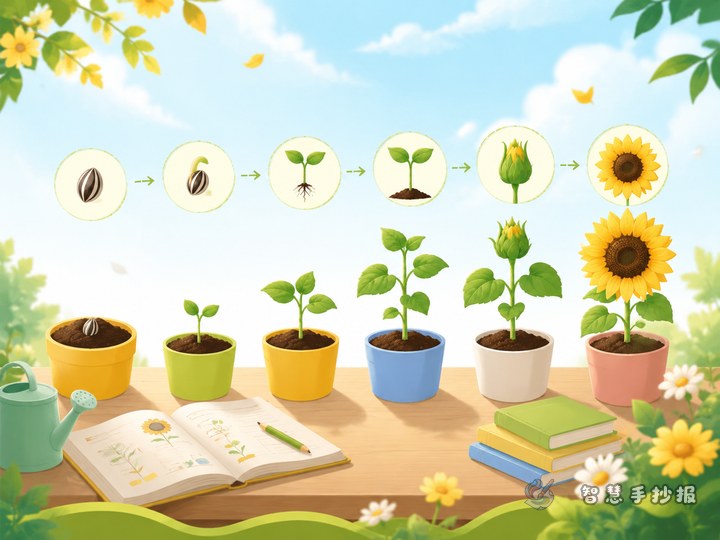
- Growth record: note the changes by day or by week.
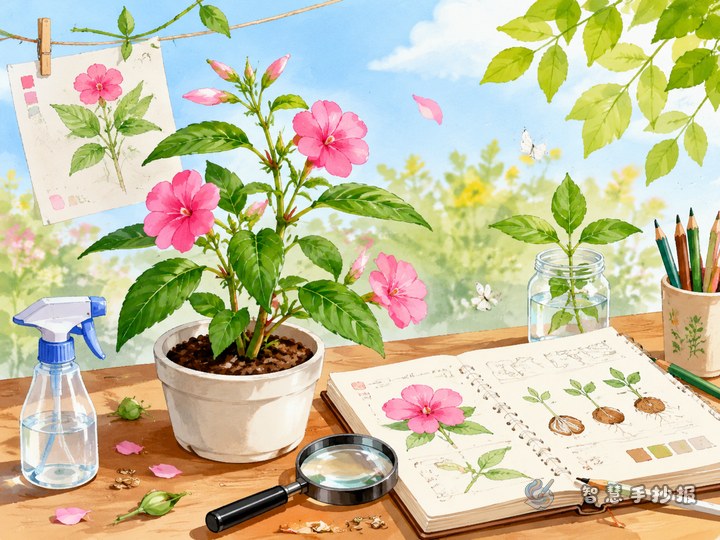
- Plant appearance: color, leaves, stem, height, smell, or flowers.
- Care notes: watering, sunlight, soil, and simple protection methods.
- My discovery: what surprised you most during observation.
- My reflection: what patience, responsibility, or nature knowledge you learned.
These sections make the handwritten newspaper feel complete without becoming a general encyclopedia page.
Simple writing samples for a growth diary
Observation opening
I chose to observe a pot of scallions in our school garden. It is easy to notice, grows clearly, and changes little by little every few days.
Record sample
On the first day, I planted the bulbs in moist soil. After several days, green shoots began to appear. One week later, the leaves became longer and straighter. I found that plants growing in sunny places looked stronger.
Discovery sample
I learned that plants need water, sunlight, and careful observation. Even a small plant shows many changes if I look at it patiently.
Page layout ideas that look lively and clear
The page can be divided into three visual areas. The center can hold the main title, such as “My Campus Plant Growth Record.” The left side can be used for observation notes, and the right side for care tips and findings. The bottom area can show a mini timeline.
- Use leaf shapes or rounded note boxes for each section.
- Draw small icons like watering cans, suns, flowerpots, and sprouts.
- Choose green, yellow, and light brown as main colors.
- Keep each paragraph short so the poster stays easy to read.
Details that help the poster feel more complete
Add a small comparison such as “before planting” and “after sprouting,” or include a short line about weather and growth. If space allows, create a small list titled “Things plants like” and write sunlight, air, water, and care.
When the content is ready, students and parents can continue arranging the design in the Smart Handwritten Newspaper WeChat mini program to try different poster styles and make the final work neater and more vivid.