Start with a clear angle: traditional foods through the solar terms
If you want a food-culture poster that feels meaningful and easy to organize, a strong topic is traditional Chinese foods in the twenty-four solar terms. This angle connects food, seasons, festivals, and family traditions, so the page feels rich without becoming messy.
You do not need to cover all twenty-four solar terms. It is better to choose six to eight familiar ones and match each with a well-known traditional food.
Useful sections for the poster
Section 1: Solar term food cards
- Beginning of Spring: spring pancakes, showing a welcome to spring.
- Qingming: green rice balls, fresh and full of spring color.
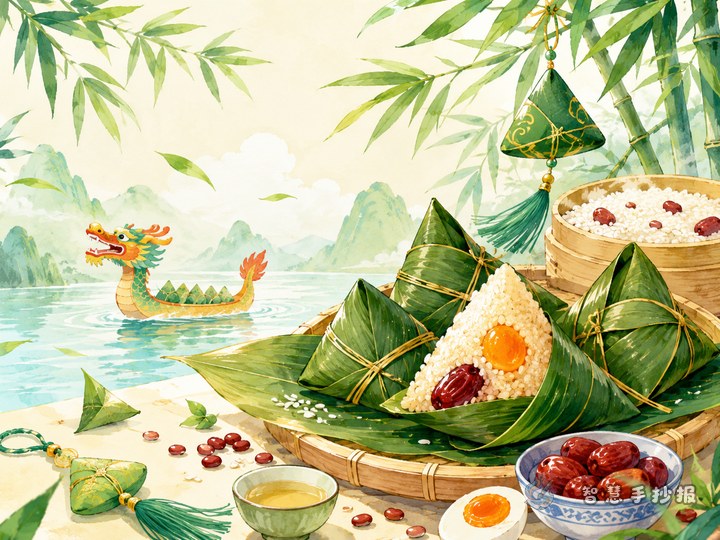
- Dragon Boat Festival season: zongzi, closely tied to holiday customs.
- Summer Solstice: noodles, a custom in some regions.
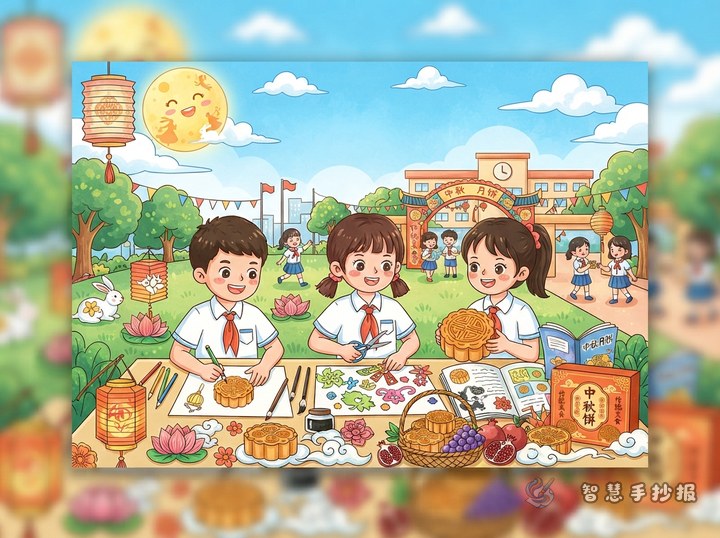
- Mid-Autumn season: mooncakes, symbolizing reunion.
- Winter Solstice: dumplings or tangyuan, depending on local tradition.
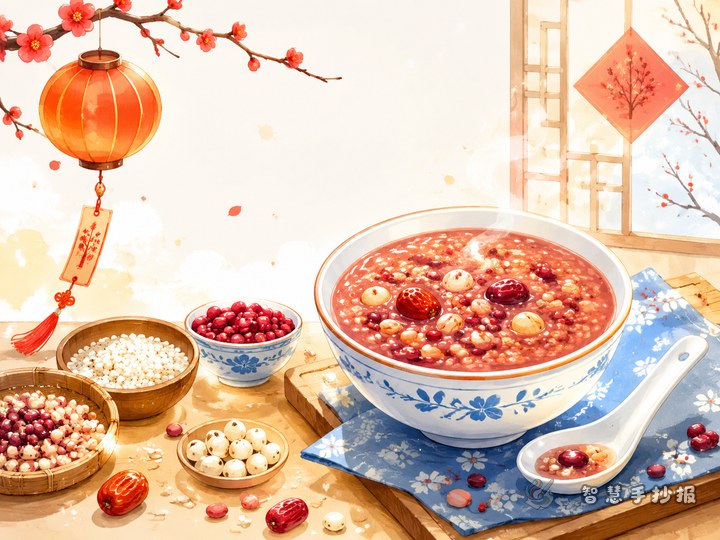
- Twelfth lunar month: Laba porridge, rich in ingredients and meaning.
Section 2: The culture behind seasonal eating
You can explain the traditional idea of eating according to the season. In spring people enjoy fresh foods, in summer lighter dishes, in autumn foods that feel gentle and nourishing, and in winter warmer meals. This reflects practical wisdom in Chinese food culture.
Section 3: Seasonal foods on my family table
This part makes the poster feel personal. Students can write short lines such as “My family makes dumplings at Winter Solstice” or “My grandma prepares green rice balls during Qingming.” Even a few sentences can make the work feel lively and real.
Short text materials you can use
Text 1: Traditional Chinese foods are not only delicious. They also carry seasonal customs, family memories, and wishes for peace, harvest, and reunion.
Text 2: From spring pancakes to mooncakes, from zongzi to Laba porridge, the Chinese dining table reflects the rhythm of the seasons and the beauty of traditional culture.
Text 3: Food culture is an important part of Chinese culture. A traditional dish often connects taste, family love, and holiday etiquette.
How to arrange the page
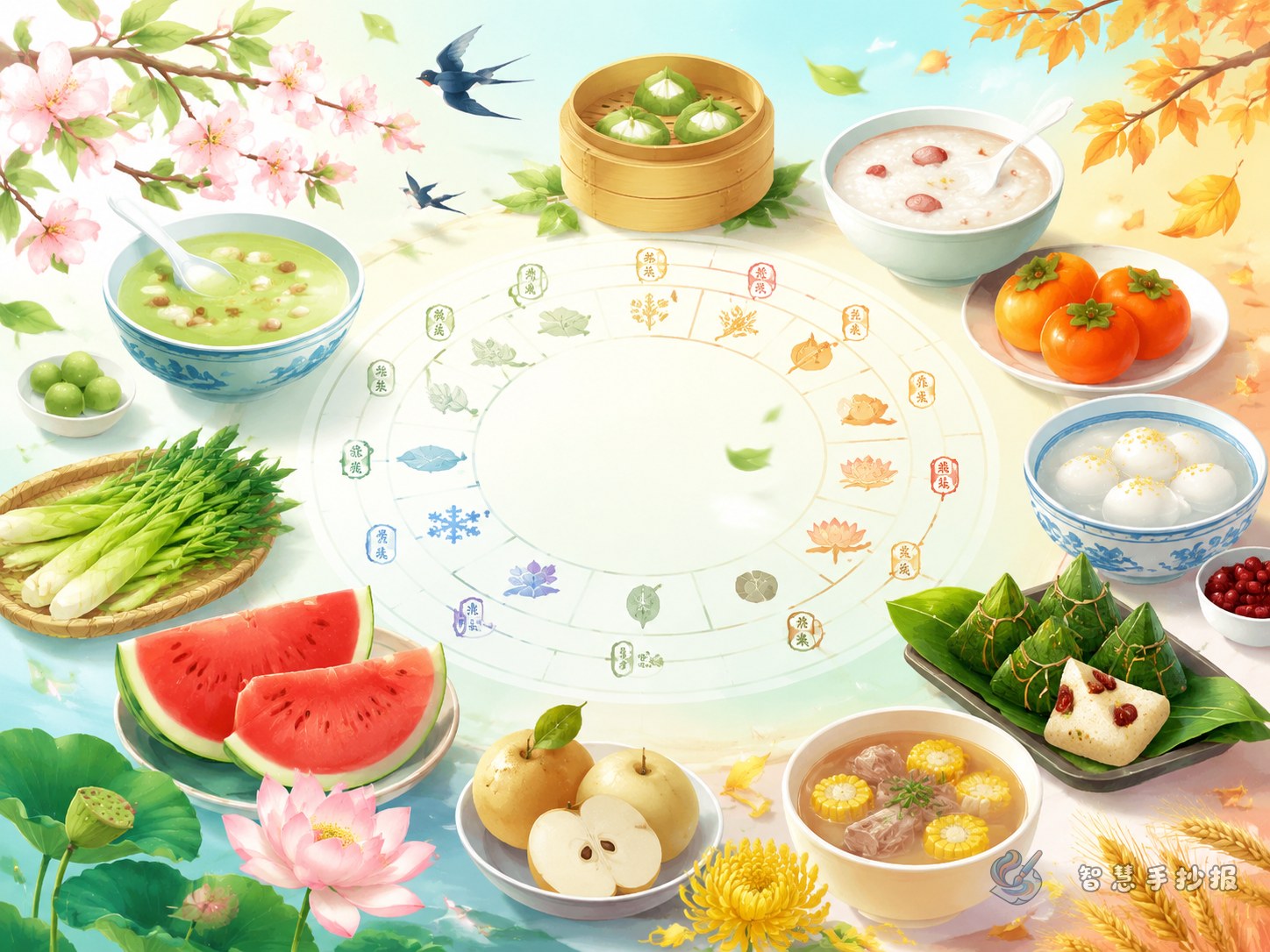
You can place the main title in the center and design the page like a seasonal circle or divide it into four parts: spring, summer, autumn, and winter. Each section can include one or two solar terms and their representative foods.
- Choose warm and bright colors such as green, beige, orange, and red.
- Add small drawings like dumplings, bamboo steamers, zongzi leaves, mooncakes, and rice balls.
- Use simple shaped boxes for subtitles so the page looks lively.
- Leave some blank space so the poster stays neat and easy to read.
Small details that improve the final result
You can add a small note about regional food differences. For example, some places eat dumplings at Winter Solstice, while others eat tangyuan. This helps show the diversity of Chinese food traditions.
If time is short, first finish three key parts: the title, four to six representative foods, and one short summary paragraph. After that, add decorations and small illustrations. If you need more layout ideas, you can continue organizing your poster in the WeChat mini program of Zhihui Shouchaobao.