Choose a Clear Main Theme
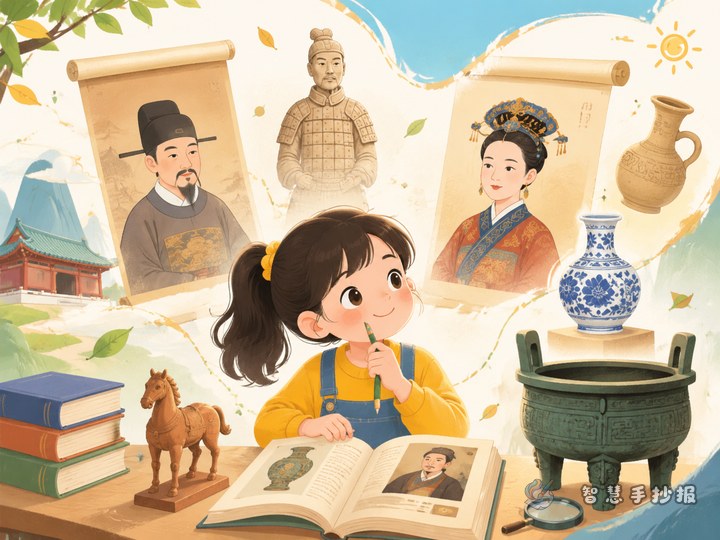
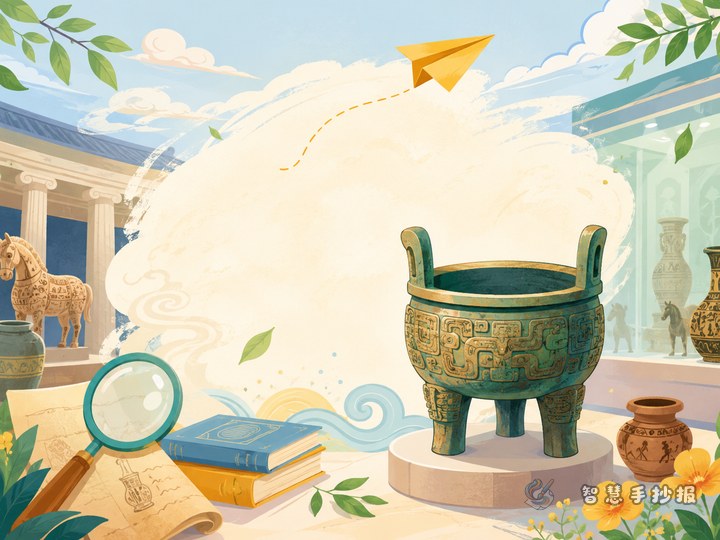
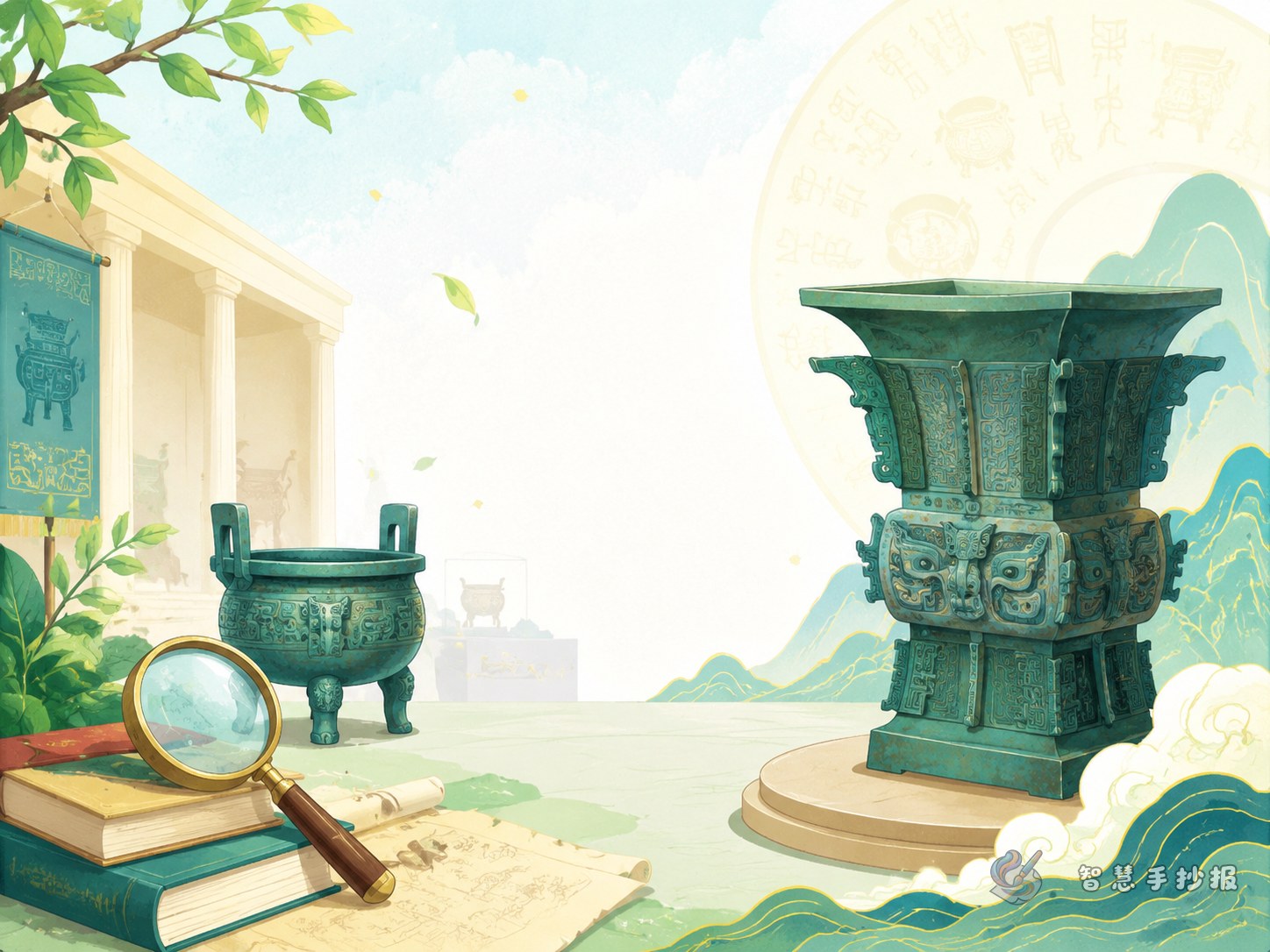
A good museum handwritten newspaper becomes easier when one main clue leads the whole page. Bronzes are a great choice because they connect relics, rituals, writing, art, and ancient life. Instead of trying to cover all museum collections, focus on one idea: what bronzes can tell us about history.
You can name the page with a practical title such as Listening to History Through Bronzes or Walking into the Museum: The Story of Ancient Bronzes. This makes the page more focused and easier for younger students to complete.
What to Write in Each Section
Relic Basics
Explain in simple words that bronzes are ancient objects made mainly from copper alloys. They were used for rituals, food containers, musical instruments, and symbols of status.
Patterns and Inscriptions
Write that many bronzes have animal-like patterns, cloud designs, or inscriptions. These details help us learn about beliefs, craftsmanship, and early writing.
Representative Artifacts
Choose two or three familiar examples and write only short introductions. Focus on shape, use, and what makes each object special.
Why Museums Protect Them
Explain that relics are witnesses of history. Museums collect, repair, study, and display them so more people can understand the past and learn to treasure cultural heritage.
Useful Short Text Materials
- Small opening sentence: A museum is like a time corridor, and every relic quietly tells a story from long ago.
- Knowledge sentence: Bronzes are not only beautiful objects but also important evidence for studying ancient society.
- Culture sentence: Patterns, shapes, and inscriptions on bronzes show the wisdom and creativity of early people.
- Protection sentence: Caring for relics means respecting history and passing culture to the future.
You can also add a small quote-style line such as Relics do not speak, but history can be heard through them.
Layout Ideas That Feel Like a Museum
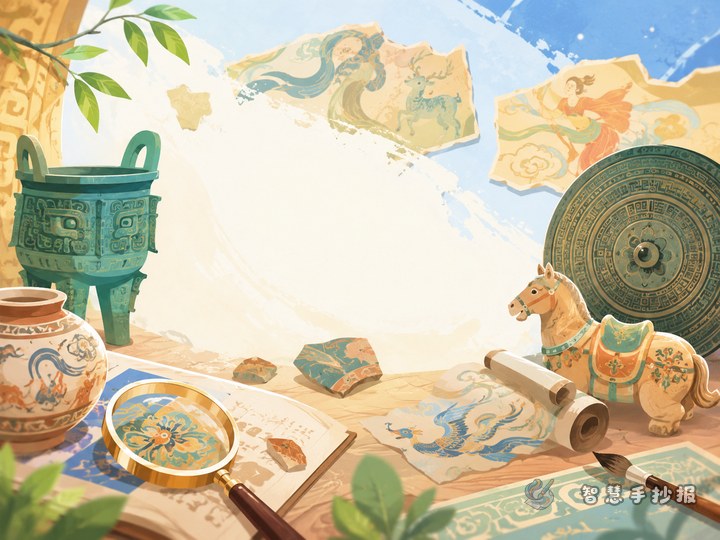
Try a page design that looks like an exhibition hall. Put the main title at the top center, then divide the page into three or four display areas. Use vessel-shaped frames, seal-style small boxes, or ancient-pattern borders to make the page more vivid.
- Top area: big title and one sentence introduction.
- Left area: basic knowledge of bronzes.
- Right area: patterns, inscriptions, or famous artifacts.
- Bottom area: relic protection and personal reflection.
If the page feels too full, reduce long paragraphs and replace them with bullet points or short labels. This makes the newspaper neater and more suitable for elementary students.
Color and Decoration Tips
Use calm colors that match the museum theme. Bronze green, earthy yellow, dark brown, and black are easy to control. Do not use too many bright colors, or the historical atmosphere may become messy.
- Use cloud patterns, ancient vessel outlines, scroll edges, or seal marks as decoration.
- Make subtitles slightly darker to improve readability.
- Leave some blank space so the page does not feel crowded.
If you want a cleaner final result, you can first draft the sections on paper and then continue adjusting the layout in the 智慧手抄报 WeChat mini program.
How to Make the Final Page More Impressive
Add one small personal section such as My Museum Wish or What I Learned from Relics. This helps the handwritten newspaper feel less like copied information and more like a real learning project.
For example, you may write: After learning about bronzes, I discovered that history is not far away. It is hidden in every pattern, every inscription, and every carefully protected relic in the museum.