Choose a clear theme first
A thunderstorm safety handwritten newspaper works well because it mixes science facts with useful safety knowledge. It is easier to organize than a broad weather topic and more practical for school projects. A simple structure is to include “What thunderstorms are,” “Dangerous actions,” “Safe responses,” and “Safety slogans.”
Good titles include “How to stay safe during a thunderstorm” or “What should we do in thunder and rain?” These sound natural and match what students and parents may actually search for.
Simple sections you can use on the page
Section 1: How thunderstorms happen
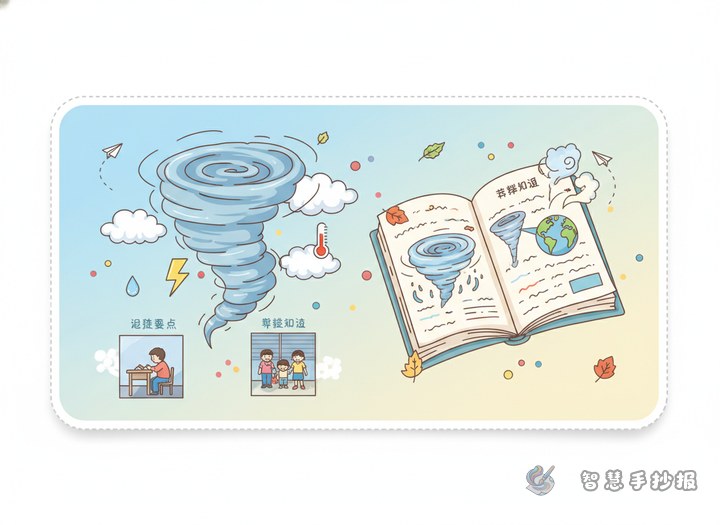
Explain in short words that warm, moist air rises and forms clouds. When electric charges build up inside clouds, lightning may happen, and thunder is the sound that follows. We see lightning first because light travels faster than sound.
Section 2: What not to do during a thunderstorm
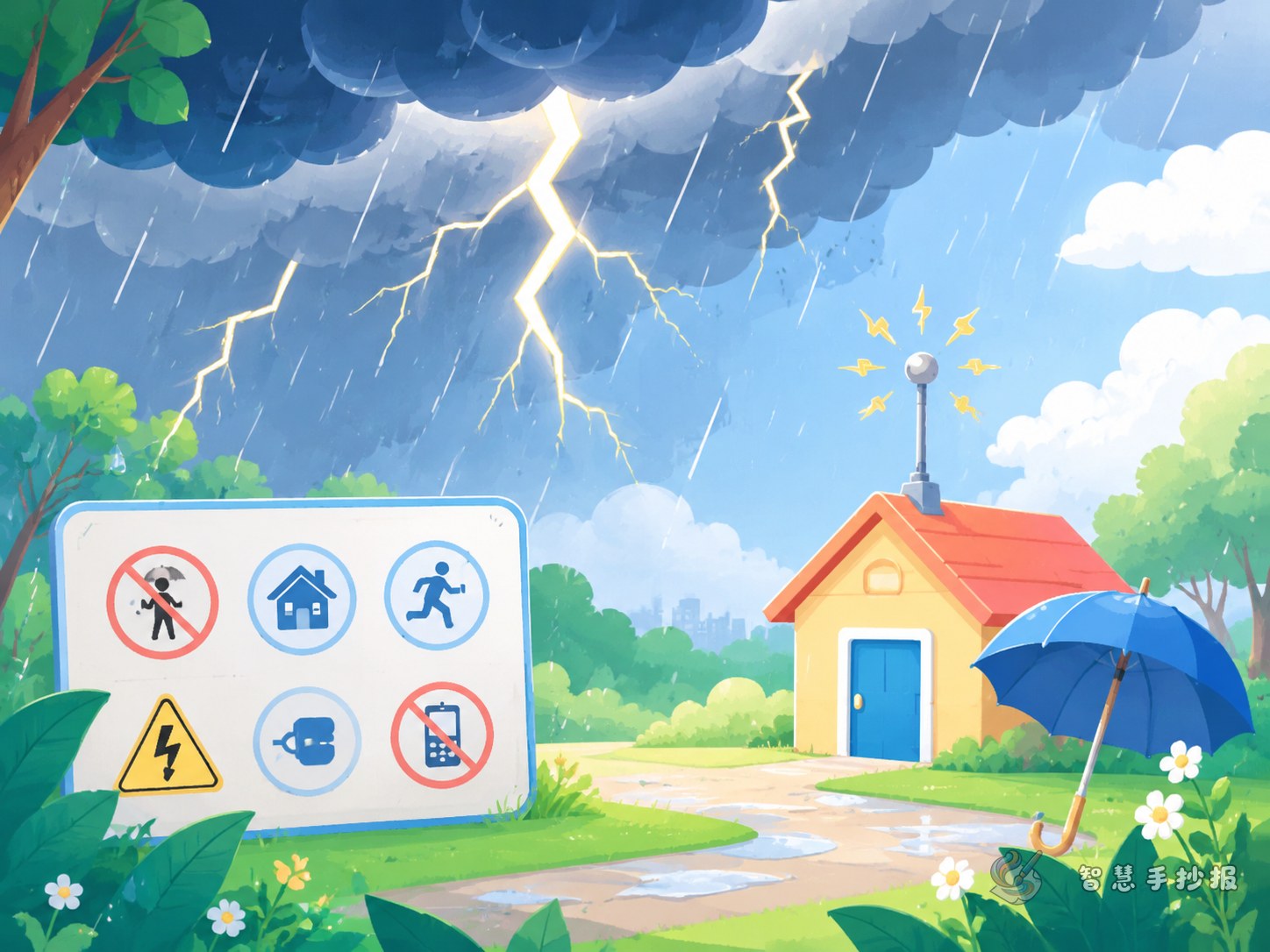
- Do not hide under a tall tree.
- Do not stay in open areas with metal objects.
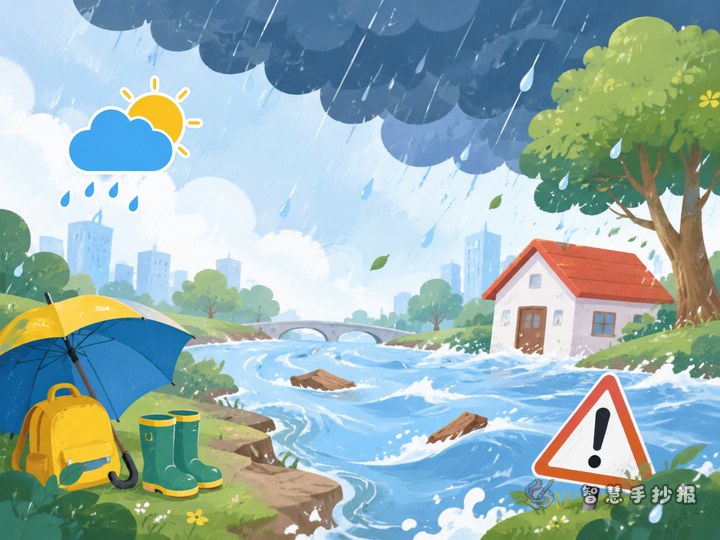
- Do not remain on playgrounds, hills, or near rivers.
- Do not keep playing sports or riding bikes outdoors.
- Do not touch outdoor wires or dangerous structures.
Section 3: What to do to stay safe
- Go indoors or into a safe building as soon as possible.
- Close windows and stay away from them.
- Stop using unnecessary electrical devices for a while.
- If you cannot get indoors, stay low in a safer place with your feet together.
- Remind friends to move away from risky areas.
Section 4: Short safety messages
This part is great for corners or the bottom of the page. You can write lines like “Don’t panic in a storm, safety comes first” or “When you hear thunder, find shelter quickly.”
Ready-to-use text ideas
Handwritten newspapers look better with short and clear wording. Try using one or two sentences for each point. Here are some useful lines:
- Science fact: Lightning is a strong electrical discharge, and thunder is the sound made when air heats and expands quickly.
- Reminder: When dark clouds gather and the wind gets stronger, prepare to get indoors early.
- Safety point: The key is to stay away from tall, isolated, or conductive objects.
- Daily life tip: On the way home from school, do not play near puddles or dangerous outdoor spaces during a storm.
If you still have empty space, add a small “Common mistakes” box, such as “A tree is not a safe place to hide” or “Do not rush back outside right after the rain stops.”
How to arrange the layout
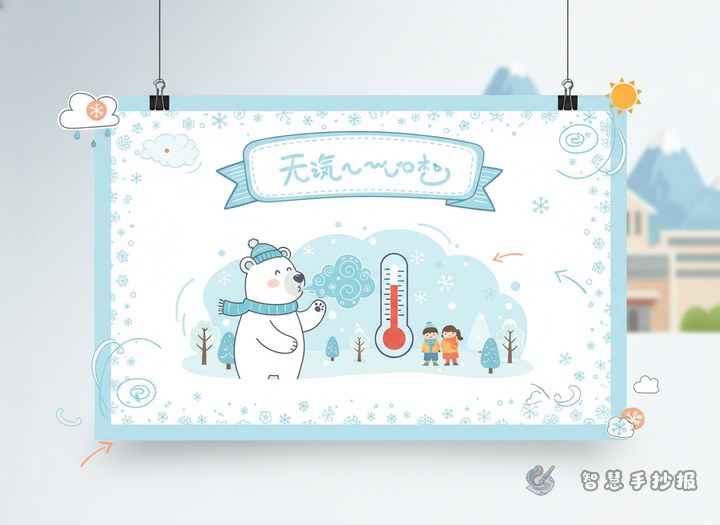
This theme works well with a large title on top, two side columns, and a safety message at the bottom. In the center, draw a cloud with lightning as the main illustration. Put the knowledge sections on both sides, and place a slogan or reminder below. This makes the main idea easy to understand at a glance.
- Title area: big heading with clouds, raindrops, or lightning.
- Main illustration: a child in a raincoat, a house, or weather symbols.
- Text area: 3 to 4 small sections with short sentences.
- Ending area: a safety message or school reminder.
You can also use raindrop labels, speech bubbles, or wavy borders to make the page more lively without making it too crowded.
Tips to make it look neat and complete
To make your work look more polished, remember three things: keep the title larger than the body text, use the same writing size in each section, and leave enough blank space between blocks. Important words like safety, lightning, shelter, indoors can be highlighted for emphasis.
If you already have the theme but want more help with layout and content, you can continue creating in the Smart Handwritten Newspaper WeChat mini program and turn your ideas into a finished poster more easily.