Start with a clear angle: explain weather change in a simple way
This hand-copied newspaper works best when it focuses on one practical question: Why does the weather change? Instead of trying to include every meteorology fact, students can choose familiar ideas such as sunny days, cloudy skies, rain, wind, cooling, and warming. A title like “Why Does the Weather Keep Changing?” feels natural and easy to understand.
The opening can briefly say that weather affects clothing, travel, outdoor activities, and daily school life. Learning about weather change helps children observe nature and stay safe.
Useful section ideas for the page
Section 1: Common types of weather
- Sunny: bright sky and strong sunlight
- Cloudy: more clouds cover the sky
- Rainy: water droplets fall from clouds
- Snowy: snow forms when the air is cold enough
- Windy: moving air creates wind
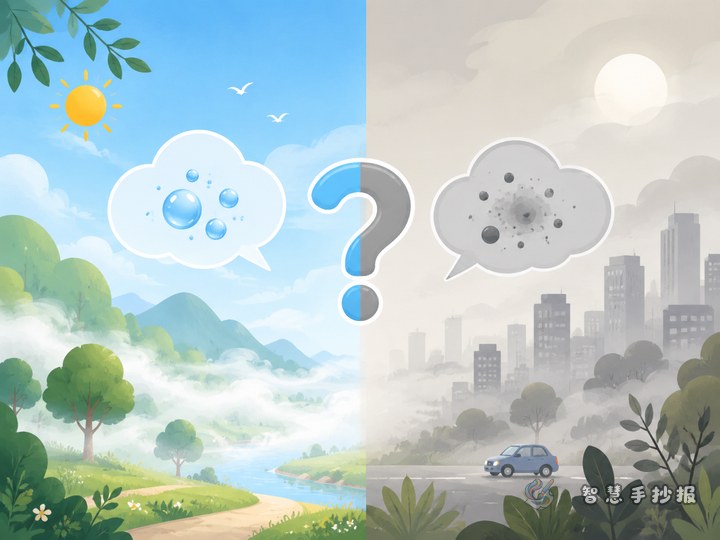
- Foggy: tiny water droplets in the air reduce visibility
Section 2: Why weather changes
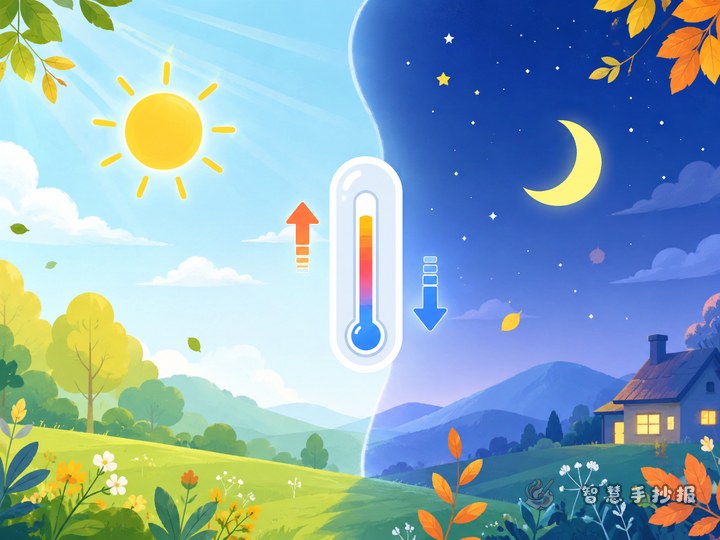
Students can explain it in simple words: the sun heats Earth unevenly, air moves, water vapor changes in the atmosphere, and cold air meeting warm air can lead to obvious weather changes. This makes the report scientific but still easy for children to read.
Section 3: Weather and daily life
- Bring an umbrella on rainy days
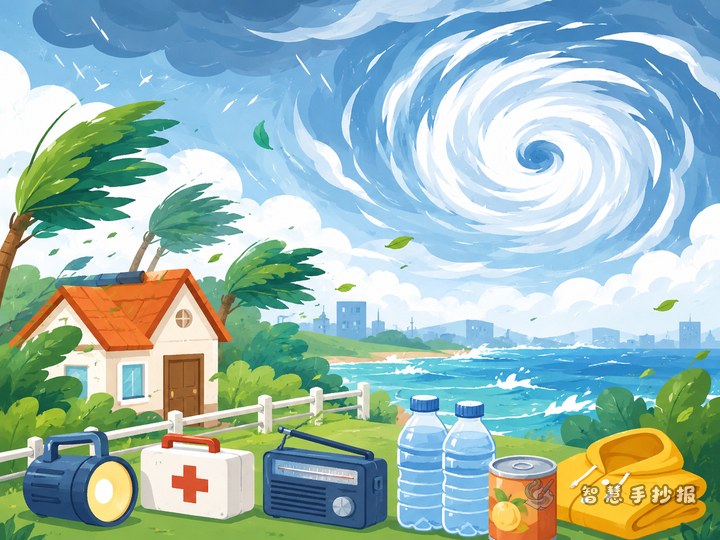
- Stay away from falling objects on windy days
- Drink enough water in hot weather
- Wear warm clothes in cold weather
- Be careful when traveling in foggy weather
Text materials students can copy
Mini heading ideas: Weather Corner, Meteorology Notes, Weather Around Us, Little Weather Station, I Am a Young Weather Observer.
Intro sample: Weather can change every day. Sometimes the sky is bright and sunny, and sometimes it is dark and rainy. Weather change is a natural part of life and is closely connected to what we do every day.
Short science lines: Clouds do not stay still forever. Wind is moving air. Rain forms when water vapor cools and becomes tiny droplets. When weather changes quickly, we should pay more attention to the sky and temperature.
Ending sample: A weather-change poster is not only about drawing suns and clouds. It is also a way to learn science, observe nature, and organize knowledge clearly.
How to make the page look lively and neat
A four-block layout or a central-title layout works well. Around the title, students can draw the sun, clouds, raindrops, snowflakes, wind lines, or a rainbow. Blue, white, and yellow can be the main colors, with some gray added for cloudy or rainy effects.
If the page looks empty, use a weather icon border, a thermometer, umbrella, or small lightning symbols. Keep enough blank space for writing so the whole page stays clean and easy to read.
A simple making plan for students
- Choose a question-style title first.
- Divide the page into 3 to 4 clear sections.
- Write 2 to 4 sentences in each section.
- Highlight key words such as cloud, wind, rain, and temperature.
- Add matching drawings at the end for a complete finish.
If students want to keep improving the layout or add more matching content, they can continue organizing their hand-copied newspaper in the Zhihui Shouchaobao WeChat mini program.