Narrow the topic first: “Growing with Confidence” is easier to present
A mental health growth newspaper can feel too broad if the theme is not focused. A better approach is to center it on confidence, such as I Can Appreciate Myself, A Little Progress Every Day, or Growing with Confidence. This keeps the topic clear, positive, and suitable for primary school students.
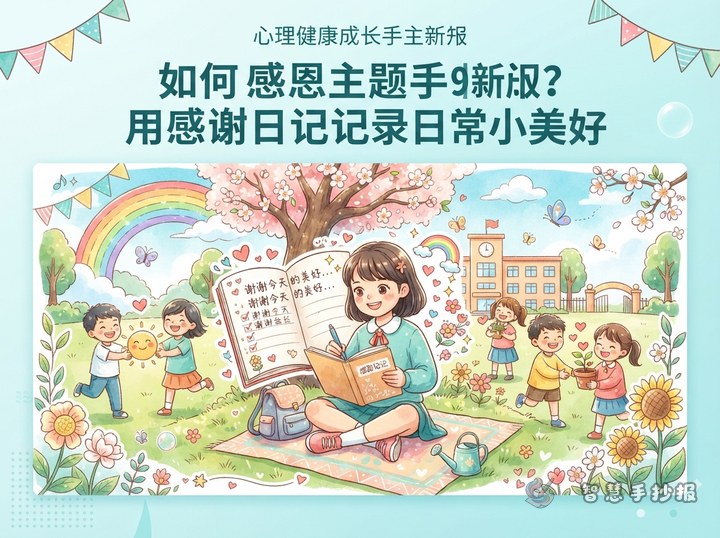
You can use a question-style or encouraging title like “How to Make a Confidence Growth Handwritten Newspaper” or “Finding My Bright Spots.” Add a small subtitle related to mental health growth so readers understand the theme at a glance.
Four kinds of content that fit this topic well
1. What confidence means
Use a short explanation: confidence is not being proud or trying to be better than others. It means believing that you can try, improve, and keep learning. This idea is simple and easy for children to understand.
2. My strengths and bright spots
This should be one of the key sections. Students can write about being helpful, careful with homework, good at reading, willing to speak in class, or persistent in sports and hobbies. Short lines work best for this section.
- I like helping my classmates.
- I correct my mistakes carefully.
- I learn something new every day.
- I have my own interests and strengths.
3. Where confidence comes from
Confidence can come from effort, practice, encouragement, and small successes. Learning to tie shoes, memorizing a poem, or answering a question in class can all become examples of growth.
4. What to do when I don’t feel confident
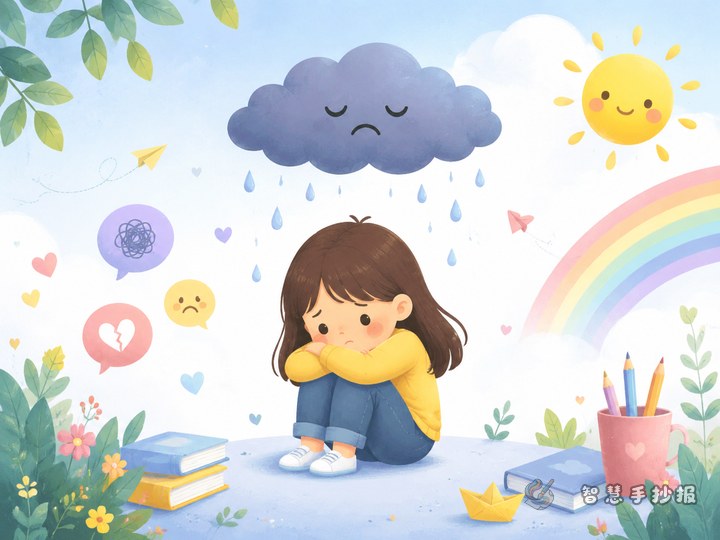
This section adds practical value. Students can write: take a deep breath, do not deny yourself too quickly, break a big task into small steps, ask teachers or family for help, and remember things you have already done well.
Short writing materials students can copy directly
If the page feels empty, add short encouraging lines in bubbles, side boxes, or borders.
- Everyone has their own strengths.
- I do not need to be perfect to be worthy of praise.
- A little progress every day is growth.
- Trying bravely is already a success.
- Failure does not define me; it teaches me.
- Appreciate yourself and appreciate others too.
You may also include a class message: when classmates feel nervous or unsure, we can offer more encouragement and less ridicule, helping build a warm and friendly classroom.
Try a “growth ladder” layout instead of equal blocks
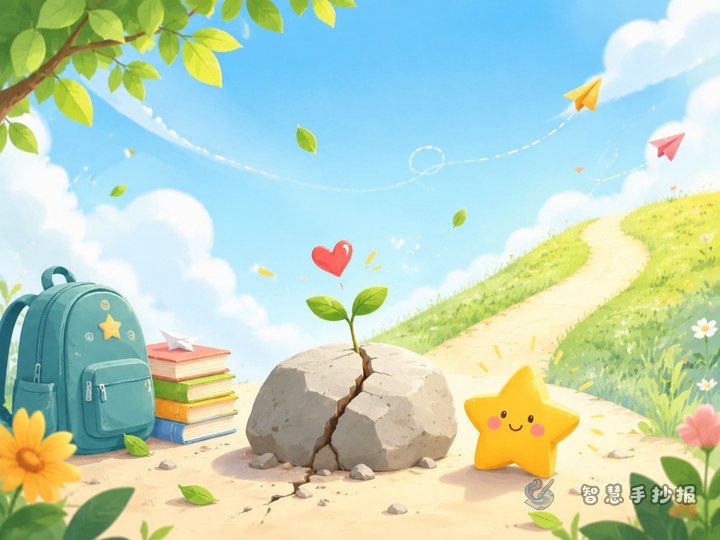
This theme works especially well with a rising design. Use a ladder, rainbow, growing plant, or star upgrade as the visual center so the idea of confidence and growth becomes easy to see.
- Place the main title at the top center with bright colors such as orange, sky blue, or green.
- Put “My Strengths” on the left in a checklist style.
- Put “What to Do When I Feel Unconfident” on the right in step boxes.
- Add a “Growth Promise” or “Confidence Quotes” section at the bottom.
Suggested decorations include a smiling sun, seedlings, steps, medals, hearts, and stars. These are child-friendly and easy to draw. Keep colors fresh and cheerful rather than too dark.
How to make the content feel real instead of empty
The best method is to include real school-life examples instead of only writing big ideas. For example: “I used to be afraid of reading aloud, but now I raise my hand,” or “I did not do well once, but I am still trying.” These details make the newspaper warmer and more believable.
If you want to keep improving the layout, titles, and color matching, you can continue creating in the Zhihui Shouchaobao WeChat mini program and turn your ideas into a more complete handwritten newspaper.