Start with the key idea: small beach creatures matter
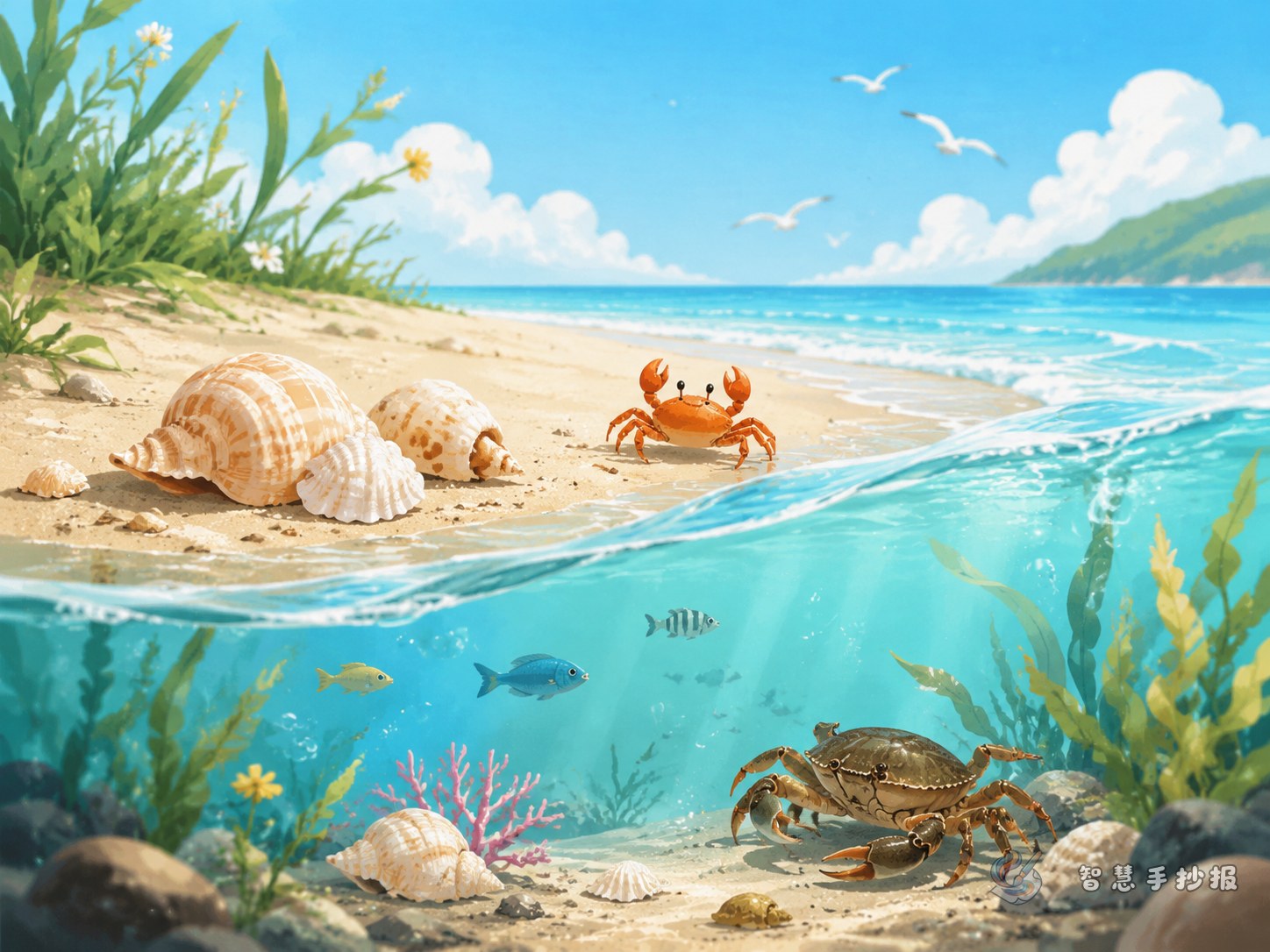
This handwritten newspaper can focus on beach ecosystem protection. The main point is simple: shells, little crabs, hermit crabs, and tiny sea snails may look small, but they are part of a living coastal system. Some help clean up organic matter, some become food for other animals, and some provide shelter in the shoreline environment.
When people take living creatures home or collect too many shells, the beach loses part of its natural balance. A question-style title works especially well because it sounds like a real topic students might search for.
- Does taking shells and little crabs harm the beach?
- Why is one shell important to beach life?
- Do not put beach creatures in your pocket
Useful facts students can place into content boxes
Shells are more than decorations
Some shells come from mollusks, and empty shells may later become homes for hermit crabs. Shells left on the shore can also create small hiding places for tiny organisms.
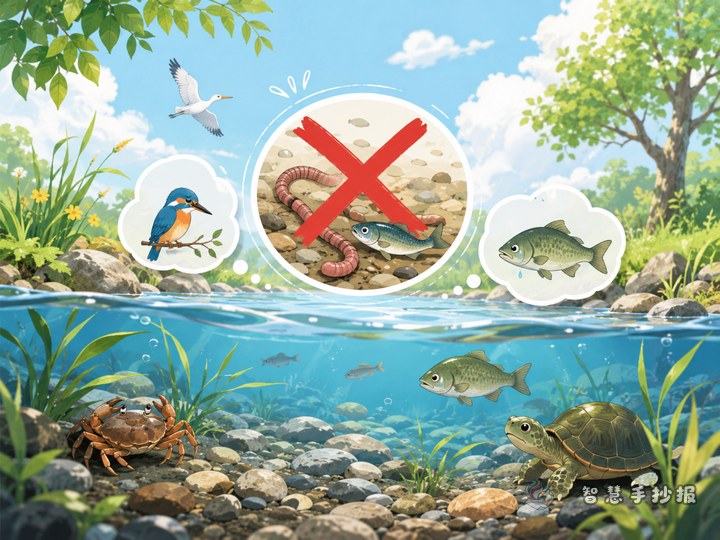
Little crabs are part of the food web
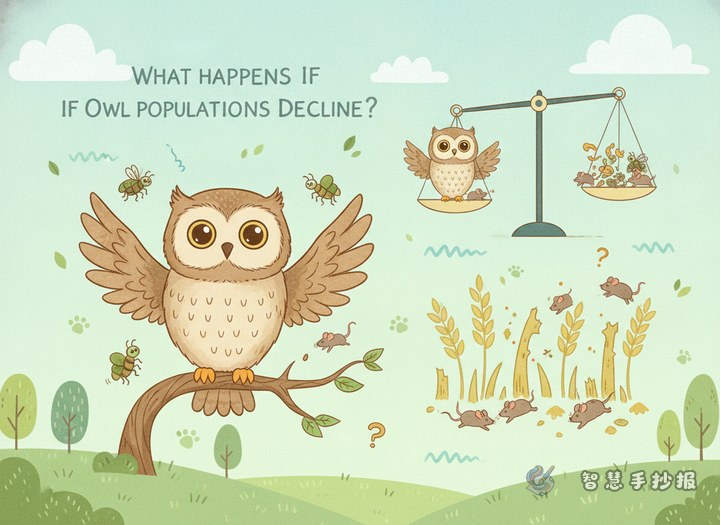
Small crabs eat tiny organisms and organic bits, and they are also food for seabirds and larger marine animals. If their numbers drop, other parts of the food chain may also be affected.
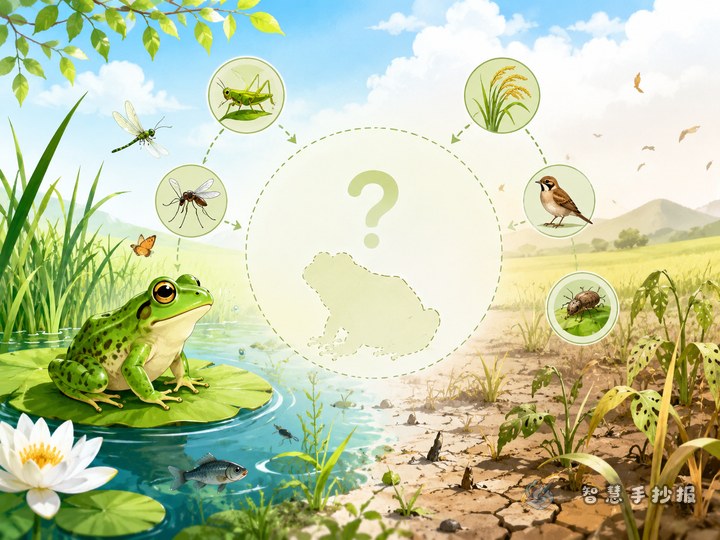
The beach is a connected habitat
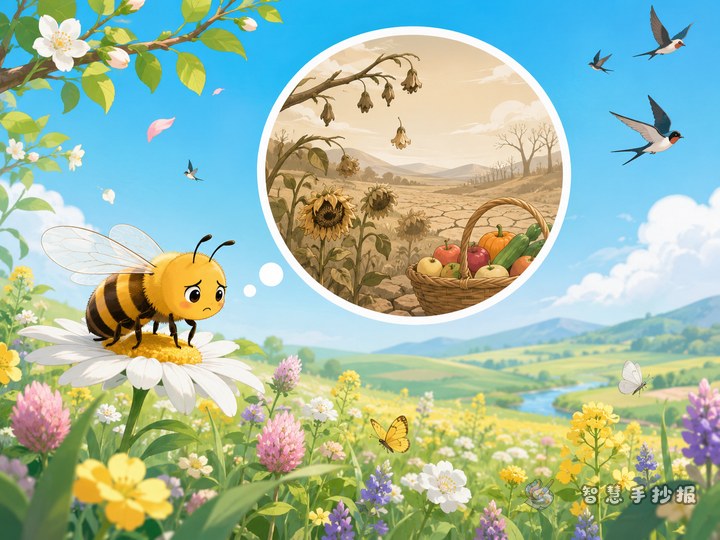
Seaweed, shellfish, crabs, small fish, and birds are linked together. If one part becomes scarce, the whole coastal environment may slowly change.
Protection means leaving less damage behind
Besides taking animals away, stepping on tide pools, turning over rocks, and leaving trash can also hurt beach life. Protection means not taking and not damaging.
A layout idea that feels lively and clear
This topic works well as a shoreline observation page with facts and small illustrations together.
- Place the main title at the top in blue or green tones.
- Use the left side for common beach creatures like shells, hermit crabs, little crabs, and sea snails.
- Put the center box on what happens when people take them away.
- Use the right side for beach protection rules or actions students can take.
- Add waves, sand, or starfish shapes along the bottom without making the page too crowded.
Students can draft the text first and then continue arranging the page in the Wisdom Handwritten Newspaper WeChat mini program for a cleaner final result.
Short slogan lines to copy into the poster
- Every small beach creature has its own place.
- Take only memories, not living things.
- One less shell taken means one more chance for life.
- Watching and respecting nature is better than owning it.
- Let the sea breeze take your footprints, not a creature's home.
A short paragraph for the main body
The beach is not a store for souvenirs. It is a home shared by many small forms of life. Shells, little crabs, and hermit crabs may seem tiny, but each plays a role in the coastal ecosystem. When we visit the beach, we should observe more and disturb less. Not taking living creatures away is a real way to protect marine ecology.
A strong ending for the handwritten newspaper
The ending can focus on actions: do not litter, do not catch or remove living beach animals, and do not damage tide pools or small habitats. Protecting the beach starts with respecting every small life form. This gives the handwritten newspaper a clear message and a thoughtful finish.