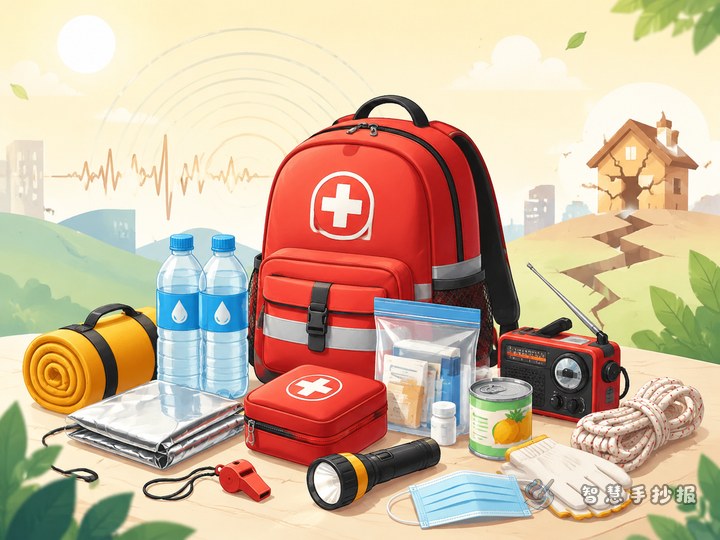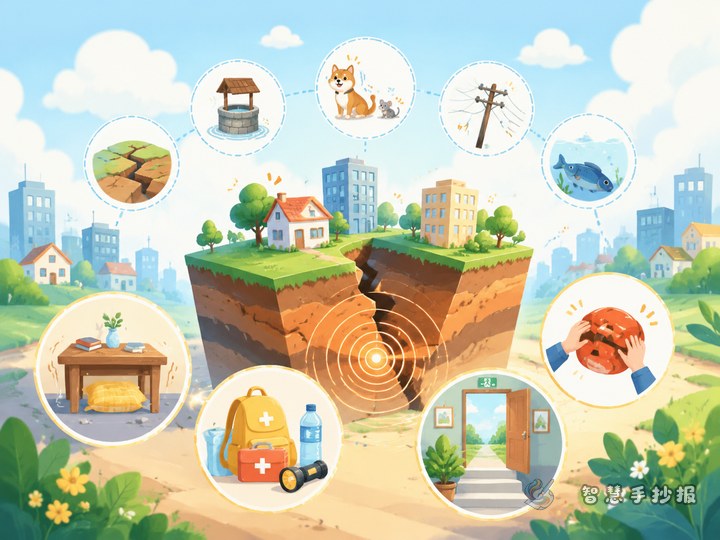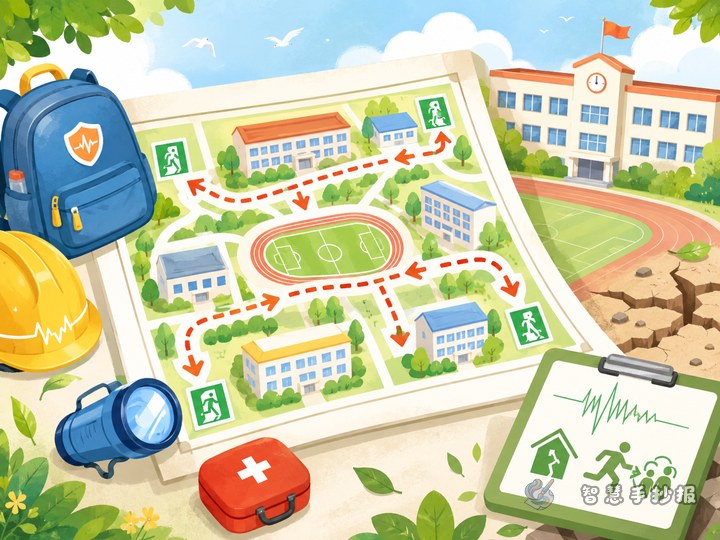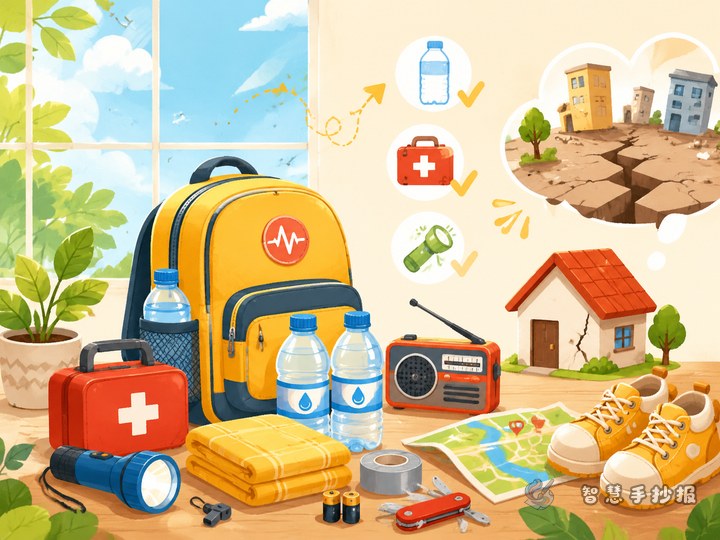
A practical theme for this poster
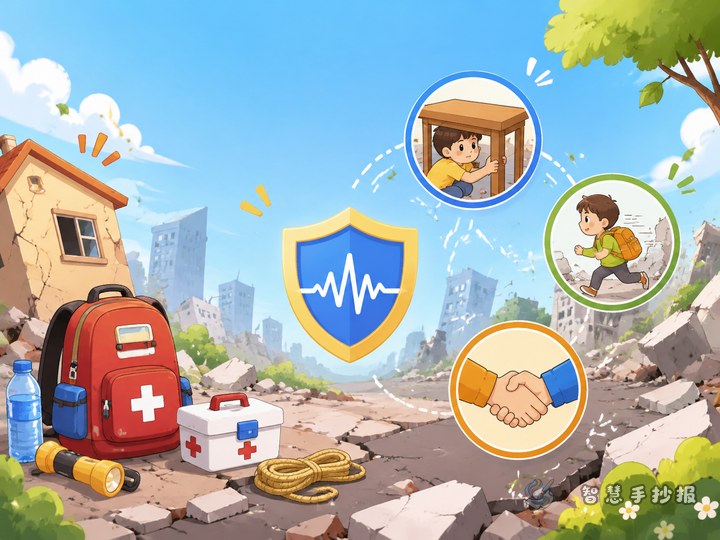
If you want a topic that feels useful and easy to organize, focus on what to do during an earthquake at home. This angle is different from school drills, pre-earthquake preparation, or post-earthquake rescue. It works well because children can imagine real situations in the living room, bedroom, or kitchen and turn them into clear poster sections.
- What to do first when an earthquake happens at home
- Safe actions in different rooms
- How to leave the building after the shaking stops
- Why families should agree on a meeting place
How to divide the poster into useful sections
This topic works best with short, clear blocks instead of long paragraphs. Think of it as a home safety guide on paper.
Section 1: First actions during the earthquake
- Stay calm. Do not run wildly, jump from windows, or use elevators.
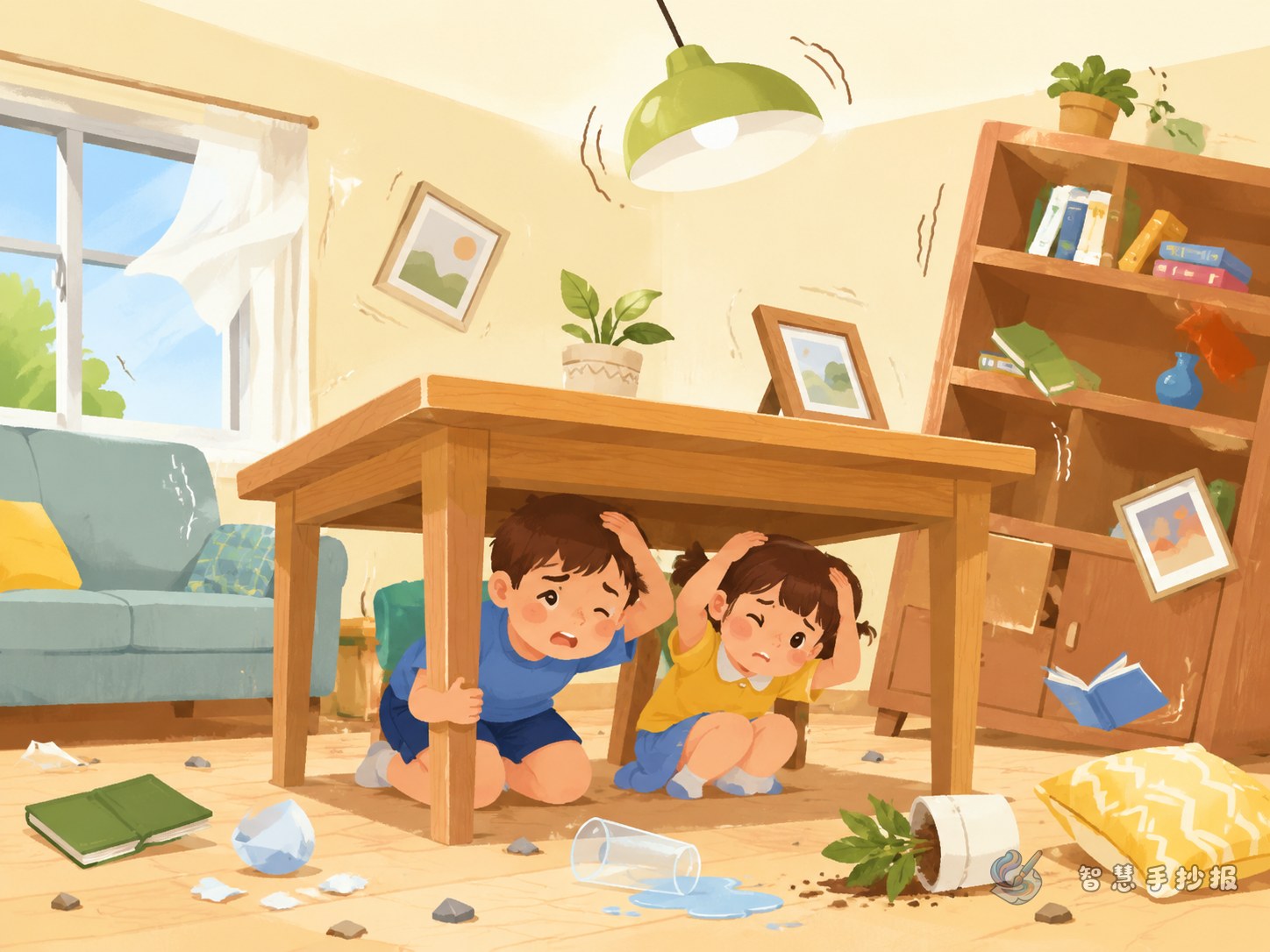
- Move quickly to a relatively safe place such as under a sturdy table, beside strong furniture, or near a load-bearing wall.
- Protect your head and neck with a schoolbag, pillow, or your hands.
Section 2: Safety tips for each room
- Living room: Stay away from hanging lights, glass, and tall cabinets. Take cover near a sturdy table.
- Bedroom: If you are close to the bed, protect your head with a pillow and avoid windows and heavy furniture.
- Kitchen: Keep away from fire, hot water, and breakable items. Watch for falling objects from cabinets.
- Bathroom: Stay calm and avoid mirrors or glass items.
Section 3: What to do after the shaking stops
- Check whether falling objects are still a danger before moving.
- Leave by the agreed route and go to an open area.
- Count family members and do not return to a dangerous building casually.
Short lines you can copy onto the poster
Simple safety lines make the layout clearer and more memorable.
- During an earthquake, protect your head first.
- Do not panic, do not push, leave in order.
- Stay away from windows, lamps, and tall furniture.
- Take cover during shaking, move away after it stops.
- Remember your family meeting point.
You can also add a short paragraph like this:
During an earthquake, home can become dangerous because furniture, glass, and hanging objects may fall. We should learn how to find safer places in different rooms, protect the head first, and leave only when it is safer to do so. Families should plan escape routes and meeting points in advance so everyone can act more calmly in an emergency.
A layout idea: turn the poster into a home map
This topic looks great with a home-themed layout. Instead of splitting the page evenly, you can design it like a simple house plan.
- Put the main title at the top with clear, bold lettering.
- Draw a simple home map in the center and label the living room, bedroom, and kitchen.
- Add one safety reminder next to each room so the information is easy to understand at a glance.
- Use one corner for a short list called steps after the earthquake.
You can decorate the border with small drawings such as houses, helmets, warning signs, or shaking ground lines. Keep the colors fresh and limited to two or three main tones so the poster stays neat and readable.
How to make the final poster look better
A strong earthquake safety poster is not the one with the most words. It is the one that makes key points easy to remember.
- Use a direct title that clearly shows the home safety scene.
- Write in short points instead of crowded text blocks.
- Show actions in order, such as first, next, and finally.
- Let drawings support the message instead of covering it.
If you want to keep improving the layout, colors, or wording, you can also continue creating in the Zhihui Shouchaobao WeChat mini program.