Start with the real mood of Guyu
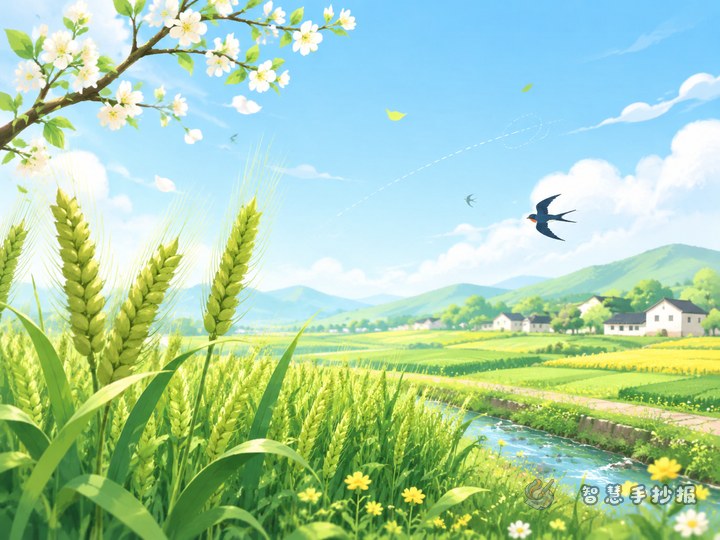
When making a Guyu handwritten newspaper, do not treat it as a simple solar term fact sheet. The most special part of Guyu is the combination of spring rain, sowing, growth, and countryside change. Guyu is often understood as a time when rain helps grains grow, so both words and drawings can focus on the idea that everything is rising and becoming alive.
For primary school students, the layout can be divided into four parts: solar term facts, farm activities, my observations, and decorative drawings. This structure is easy to write and keeps the page clear.
Useful sections you can place on the page
Section 1: Quick Facts About Guyu
- Guyu is the last solar term of spring.
- Rain becomes more frequent and the air feels wetter.
- Many crops enter an important stage of sowing and growth.
- It is closely connected with farming life.
Section 2: Busy Farm Work in Guyu
- People prepare fields, sow seeds, and raise seedlings.
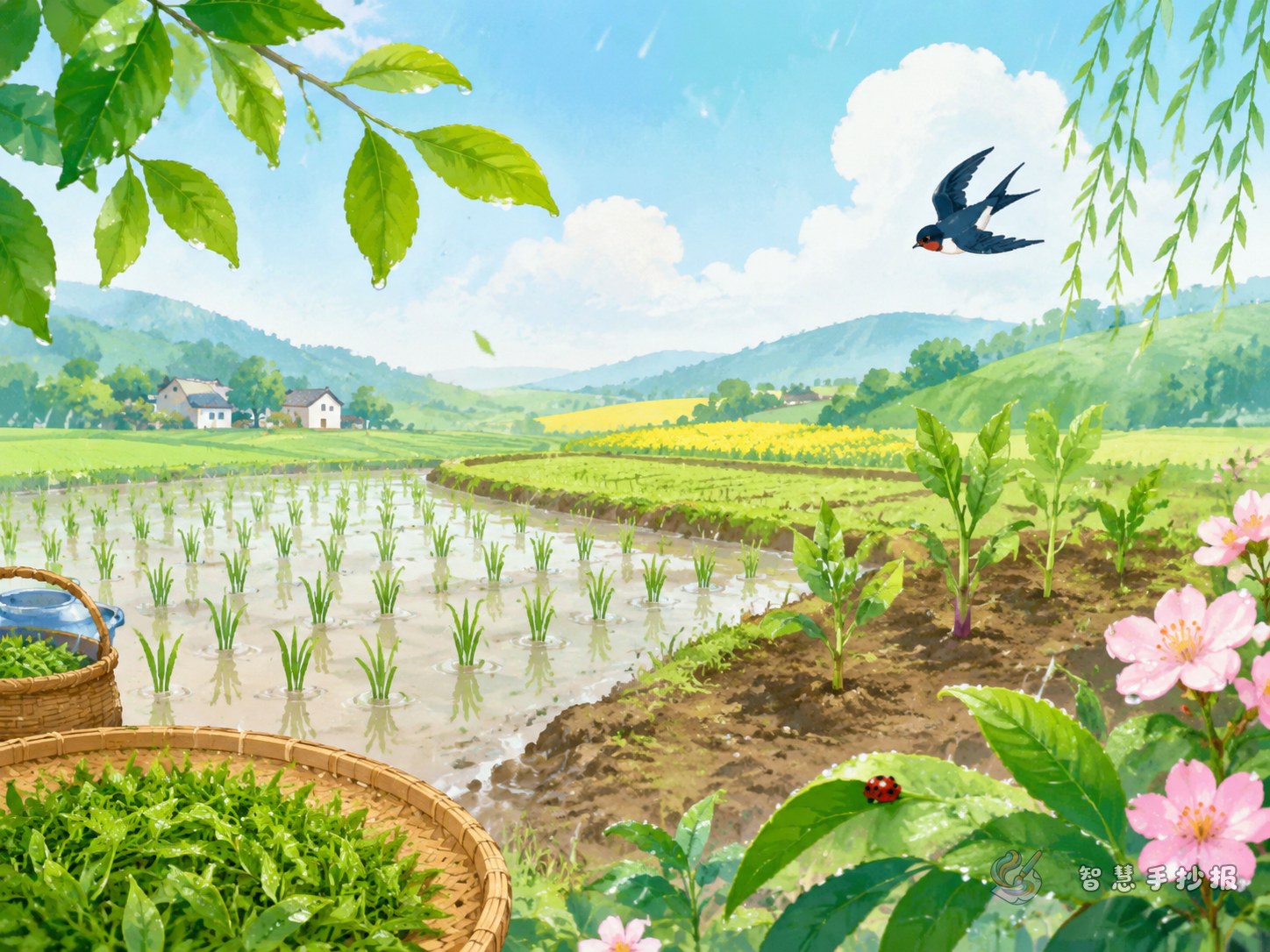
- In some places, this is also a busy season for rice planting and tea picking.
- Field care becomes more detailed, such as watering, weeding, and protecting young plants.
Section 3: Countryside Observation Corner
This part makes the poster feel lively and personal. Students can write short notes like these:
- After the rain, the soil looks darker and smells fresh.
- The grass becomes thicker, and the young leaves turn brighter green.
- Tree buds open more fully than before.
- If there is a school garden, students can record the growth of beans, onions, or tomatoes.
Section 4: One Sentence About the Season
A short line such as “Guyu is like a spring key that gently wakes up the fields” can make the page warmer and more expressive.
Ready-to-use writing material
About the solar term: Guyu is an important solar term in late spring. It often brings more rain, moist soil, and faster plant growth. It reminds people to follow the season and value the best time for farming.
About farm work: Around Guyu, people may be sowing, raising seedlings, planting rice, or picking tea. The fields become busier, and every task supports the growth of future crops.
About observation: After several days of light rain, plants in the school garden or nearby fields often look more energetic. Leaves become shinier, the soil feels wetter, and the air carries the smell of grass and earth.
About feelings: Guyu helps us understand that food does not appear by magic. It grows through seeds, rain, sunlight, and hard work. Respecting food also means respecting labor.
A layout idea that feels like a spring notebook
- Place the main title at the top and decorate it with raindrops, leaves, or wheat ears.
- Put solar term facts on the left side.
- Use the right side for farm work notes.
- Reserve the lower part for personal observations.
- Fill the corners with small drawings such as swallows, frogs, tea leaves, or seedlings.
Fresh green, light blue, and soft yellow are good color choices. They show the wet, bright, growing feeling of late spring. Keep some white space so the poster does not look crowded.
Two easy ways to make the poster better
Write what you actually notice
Instead of saying only “plants grow fast,” try writing “the bean leaves opened wider after the rain.” Specific details make the work stronger.
Connect the season to daily life
You can mention farmers working in spring fields, or even your own experience growing garlic shoots or watching a small potted plant at home. A solar term becomes more meaningful when it is linked to real life.
A simple ending for the page
You can end with a short summary such as: Guyu brings spring rain and also brings hope. The fields are growing, and we should grow carefully and steadily too. After finishing the text, check the title, spacing, and decoration. If you want to keep improving the layout and explore more design ideas, you can continue in the Zhihui Shouchaobao WeChat mini program.