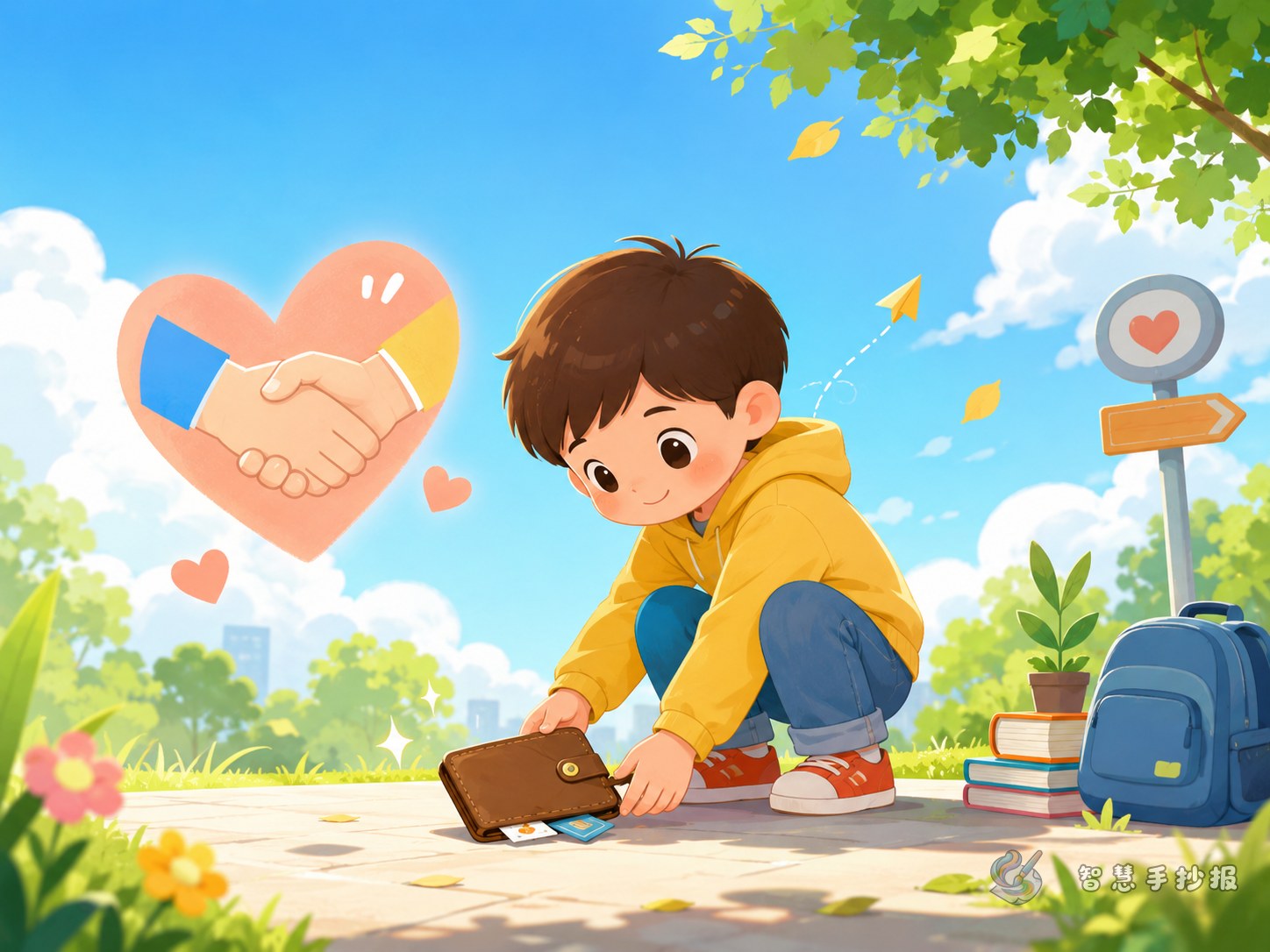
Start with a familiar school moment
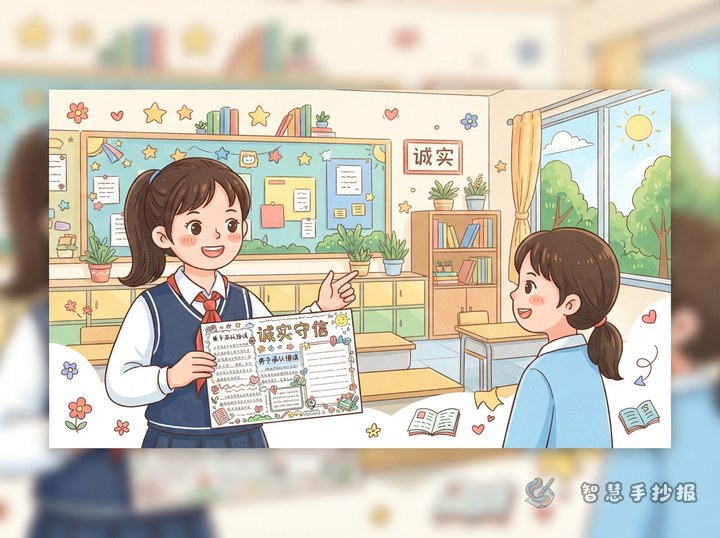
This topic becomes much stronger when it begins with a real-life situation. Students may imagine finding a notebook in the classroom, a water bottle on the playground, or a school card near the hallway. A practical scene helps the poster feel close to daily life instead of sounding abstract.
Under the main title, add a short line such as Returning what we find shows honesty or A small action can reveal good character. This gives the whole poster a clear message from the beginning.
Useful sections for the main body
Section 1: What should I do after finding something?
- Check whether someone nearby is looking for it.
- Do not keep it or play with it.
- Wait a moment if the owner may come back.
- If the owner is unknown, give it to a teacher or the school lost-and-found area.
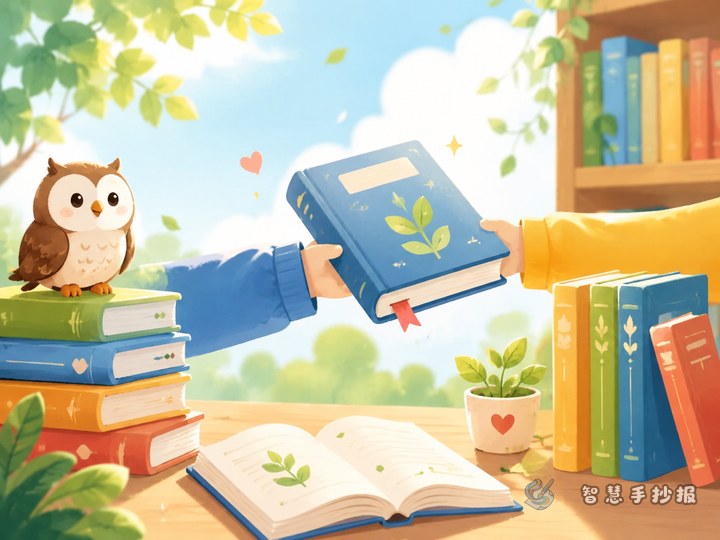
- Return it politely and honestly.
Section 2: Why should we return lost items?
- It shows honesty.
- It helps others feel relieved.
- It respects school rules.
- It builds trust in the school community.
Section 3: My honesty pledge
Students can write short promises such as: I will not keep things that are not mine. I will help find the owner. I will report found items to a teacher in time.
Short lines students can copy and use
Title-style phrases
- Return Lost Items with Honesty
- Good Character Starts with Small Actions
- Choose Honesty at Once
- Respect, Responsibility, and Truthfulness
Simple body text
- Finding something that belongs to someone else is a test of honesty.
- Returning an item is not only polite, but also responsible.
- We should never take advantage of what is not ours.
- What we return is more than an object; we return peace of mind.
Make the layout lively and easy to read
This theme works well as a story-and-steps layout. Place the main title in the center, then arrange smaller blocks around it: a school situation, the correct steps, honesty sentences, and a personal pledge. Another good idea is a flow-style design that moves from finding, to protecting, to reporting, to returning.
Keep each paragraph short. Highlight important words with bold text. Bright but clean colors such as blue, green, and orange can make the page look friendly for school readers without becoming messy.
Ways parents and teachers can guide students
Adults can encourage children to recall a real experience or imagine one clearly. For example: I found a ruler under a desk. I saw a notebook left in the library corner. Once students write from a specific example, their poster becomes more natural and personal.
They can also add a small section called Three things I can do: do not keep what is not mine, help find the owner, and tell a teacher quickly. This makes the message simple and practical for younger students.
A strong ending for the poster
The ending can be short and confident: honesty begins with small details, and good behavior appears in daily actions. Students may finish with a personal sentence such as: From today on, I will be a truthful student who returns lost things and respects others.