Turn Honesty into Visible Promises
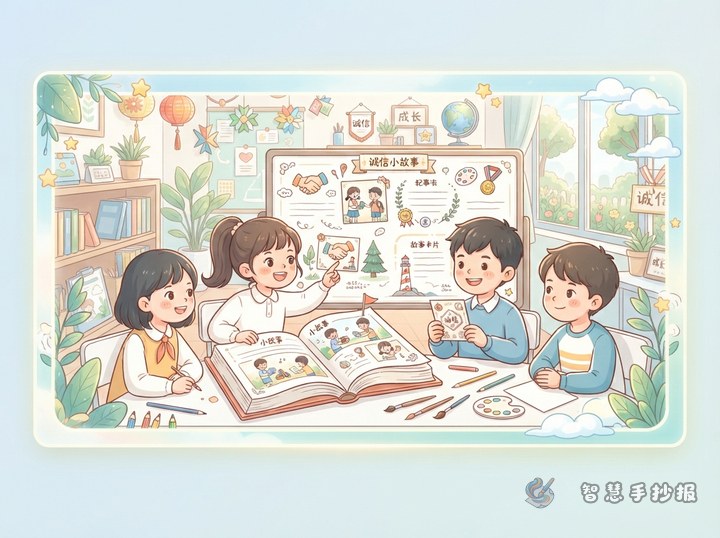
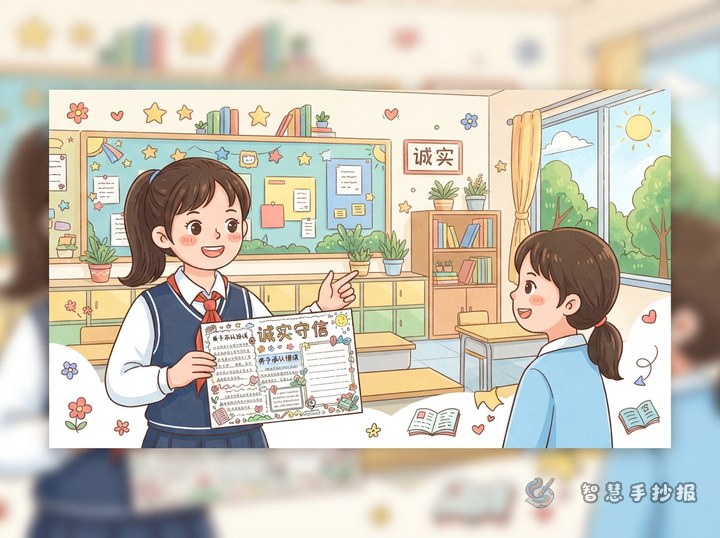
When students make an honesty-themed handwritten newspaper, they often write broad lines like “be honest” or “keep promises.” A more practical idea is to use the theme My Honesty Promise Card. This helps turn a moral idea into clear actions in school life, at home, and in daily interactions.
This topic works well for class displays, moral education activities, and family guidance. Instead of repeating slogans, the page focuses on what I promise, how I will do it, and how I can check my progress.
Useful Sections for the Page
- What Honesty Means: Explain in two or three simple sentences that honesty means telling the truth and doing what you promised.
- My Three Promises: Write small and realistic goals that fit the student’s daily life.
- Honest Moments Around Me: Use situations like borrowing school supplies, finishing duty work, arriving on time, or completing homework.
- What Happens If We Break Trust: Briefly show how it affects friendships, teacher trust, and personal habits.
- Daily Check-in Box: Add a weekly checklist to make the poster more interactive.
If there is more space, a short parent note or teacher reminder can make the page feel richer and more complete.
Ready-to-Use Writing Materials
Simple Explanation
Honesty is the foundation of good character. Being honest means not telling lies, and being trustworthy means trying your best to do what you promised. A trustworthy person earns respect and confidence from others.
Promise Examples
- I will finish my homework on time and not make excuses.
- I will return borrowed things quickly and say thank you.
- I will be punctual when I make plans with others.
- I will rely on myself in tests and not take dishonest shortcuts.
- I will admit mistakes and correct them bravely.
Short Slogan Lines
- Think carefully before you promise, and be responsible after you promise.
- Every kept promise builds trust.
- Honesty is shown by actions, not only by words.
- Trust in small things leads to responsibility in big things.
How to Make It Feel Real and Child-Friendly
This theme becomes stronger when students write in the first person. Instead of saying “we should be trustworthy,” they can write, “Yesterday I promised to bring colored paper for my classmate, and today I really brought it.” This sounds more natural and meaningful for a school poster.
You can also add playful design elements. Turn the promise section into note cards, make the check-in area look like stamps, and use a red memo style for reminders about breaking trust. These details make the page lively without losing the educational message.
Layout and Color Tips
A practical layout is a big title in the center with several sections around it. The main title can be My Honesty Promise Card, and the surrounding areas can include meaning, promises, examples, and check-in boxes. This keeps the structure clear and easy to read.
- Use blue, green, or orange for a bright and positive feeling.
- Make headings larger and keep body text in short paragraphs.
- Limit each section to a few lines so the page does not look crowded.
- Add simple shapes like check marks, stars, or cards to match the theme.
If neat handwriting is a concern, students can first sketch the layout on scrap paper. After the basic draft is finished, they can also continue improving layout ideas and color matching in the Zhihui Shouchaobao WeChat mini program.
A Strong Ending for the Poster
The ending does not need to be long. A simple line such as Honesty is not a one-time statement, but a daily action gives the poster a clear and thoughtful finish.
For classroom display, students can add one more encouraging sentence: I write down my promise today, and I will keep it tomorrow. This gives the whole handwritten newspaper a sense of growth and responsibility.