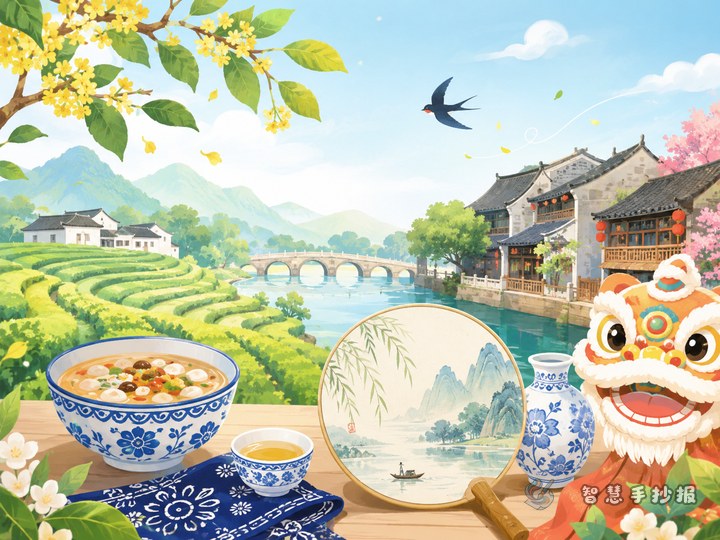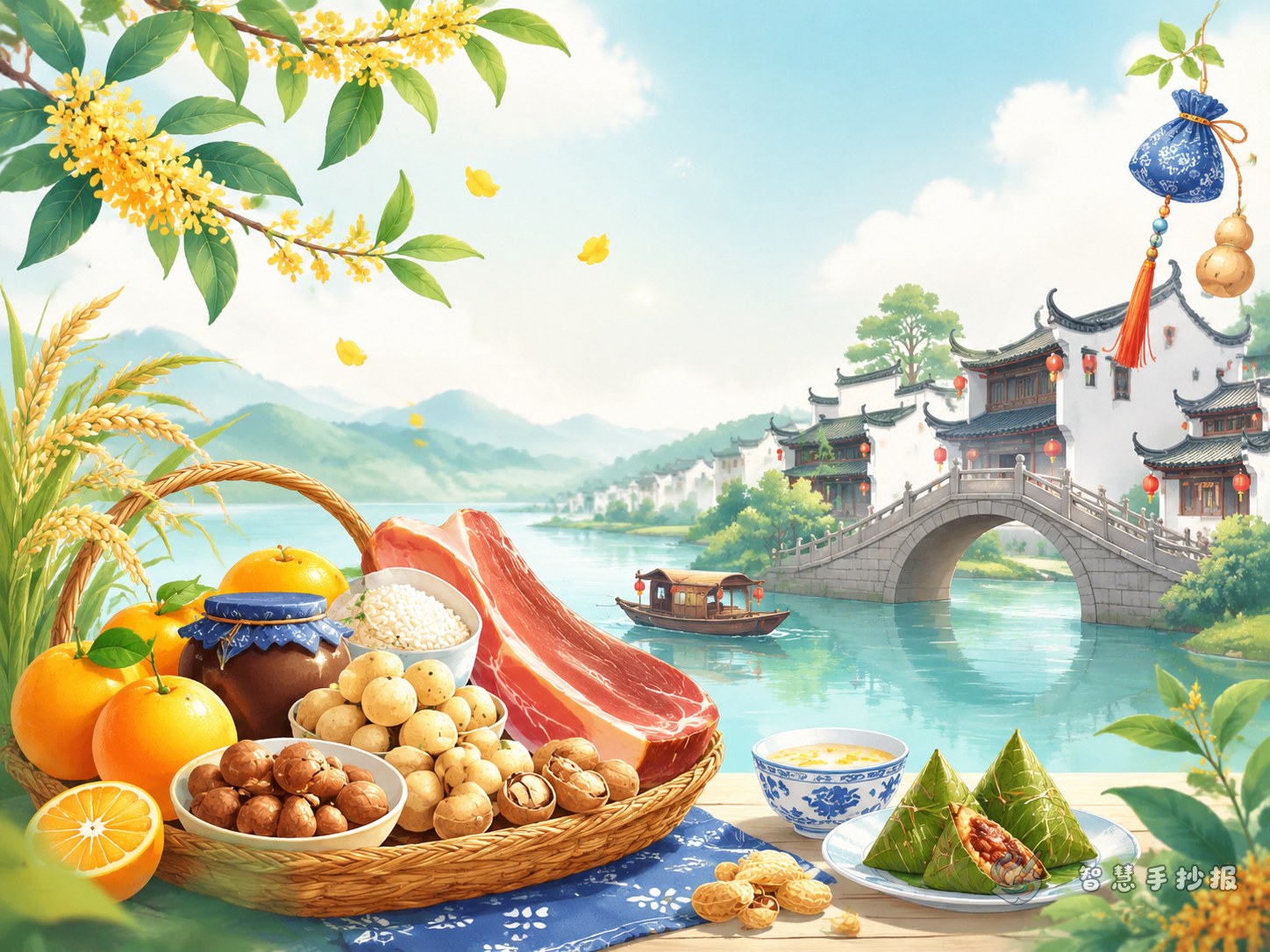
Start by choosing the most representative local specialty
The key to this kind of handwritten newspaper is not writing more, but choosing well. Ask yourself: What do people think of first when they hear my hometown’s name? What local item do family members feel proud of? What appears often during festivals or market days? Pick one to three specialties so your page stays focused and easy to read.
If you are unsure, start with these categories:
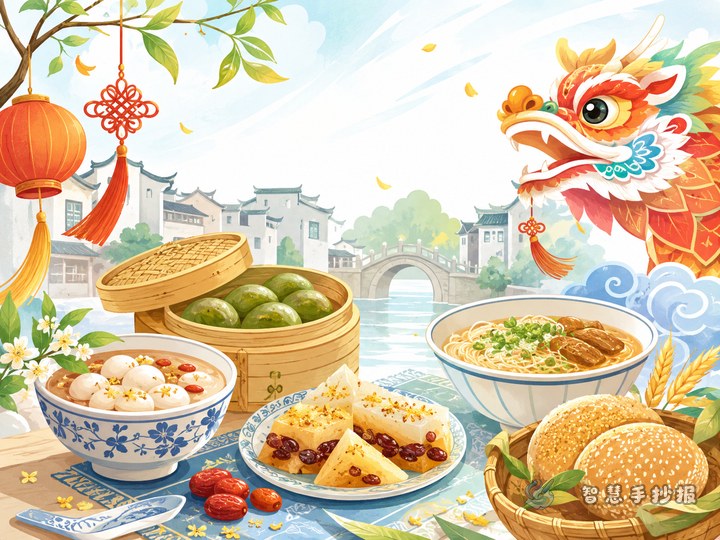
- Local foods such as snacks, pastries, fruits, or preserved items
- Farm products such as tea, rice, peanuts, or citrus
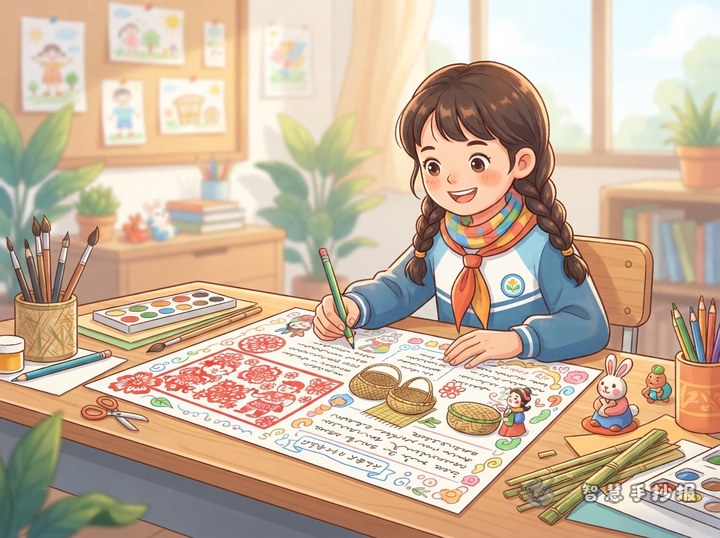
- Handicrafts such as bamboo weaving, paper cutting, pottery, or embroidery
- Seasonal local products such as spring tea or autumn harvest foods
Turn each specialty into a small story
Many students only write the name and taste of a specialty, which makes the content feel thin. A better idea is to break it into small sections so each part has a clear purpose.
Specialty card
Write two or three short lines explaining what it is, where it comes from, and what makes it stand out.
Why it belongs to this hometown
Explain the local climate, soil, water, or traditional skills that make this item special to the area.
How it is made
If it is food, briefly describe the ingredients and steps. If it is a craft, mention the materials and process.
Why I want to recommend it
This is where the page feels personal. You can write about family memories, holiday traditions, or why this item reminds you of your hometown.
Useful writing ideas you can place on the page
- Name origin: Why is it called this?
- Appearance: What color, shape, or size does it have?
- Taste or use: Is it sweet, crisp, soft, practical, or decorative?
- Making process: What materials and steps are involved?
- Connection to customs: Is it linked to festivals, fairs, or celebrations?
- Recommendation line: Write one short sentence showing your pride in your hometown.
If space is limited, keep the three strongest parts: features, story, and recommendation.
Try a layout with one main focus area
You do not have to divide the page evenly. A better design is often one large feature area plus several smaller blocks.
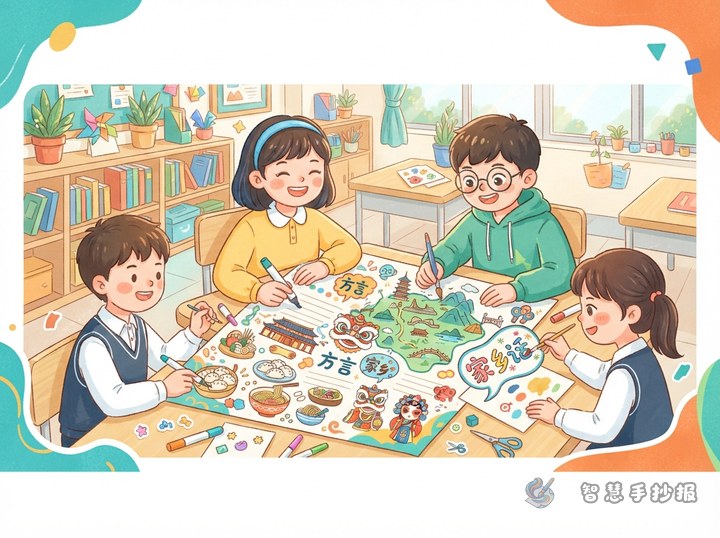
- Main focus area: Show the most important specialty with a larger title and short introduction.
- Supporting area: Add one or two smaller local items in card form.
- Corner area: Include a mini hometown map, a local saying, or a festival note.
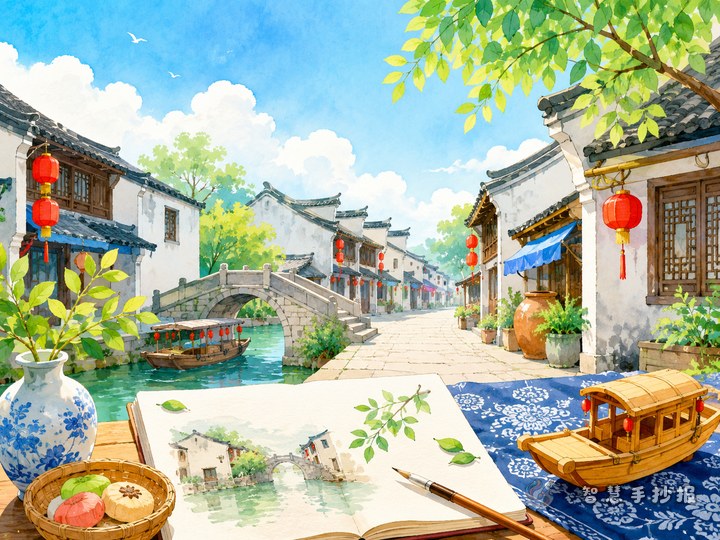
Choose colors that match the topic. Warm colors work well for food and fruit. Green and brown fit tea, bamboo, and mountain products. Red, gold, or blue can suit folk crafts. You can also add simple drawings like leaves, baskets, rooftops, steamers, or window patterns.
Make it sound like your hometown, not a product ad
The best hometown culture handwritten newspapers feel warm and personal. Add small life details such as when you first tried the specialty, how elders talk about it, where it appears in local streets or markets, and why it represents local life.
These details help the page feel like a real hometown introduction instead of a simple item description.
End with a short hometown feeling
In the final part, write a few lines about what these local specialties mean to you. You can say that a hometown is not only a place on the map, but also a taste, a craft, a memory, and a way of life. That ending makes the handwritten newspaper feel complete and heartfelt.
If you already know your sections, colors, and writing points, you can continue arranging the page in the WeChat mini program to make your handwritten newspaper clearer and more polished.