Choose a clear angle before you start
For a “Solar Terms and Weather Changes” poster, the easiest way is not to explain all 24 solar terms in full. A better approach is to focus on how solar terms connect with weather, seasons, daily life, and nature. This makes the poster easier to read and more suitable for elementary students.
You may use a title such as “Weather Clues in the 24 Solar Terms,” “Seasonal Changes Through Solar Terms,” or “Learning Weather from the Solar Terms.” A short subtitle can mention observing nature and understanding the four seasons.
A layout that looks neat and easy to finish
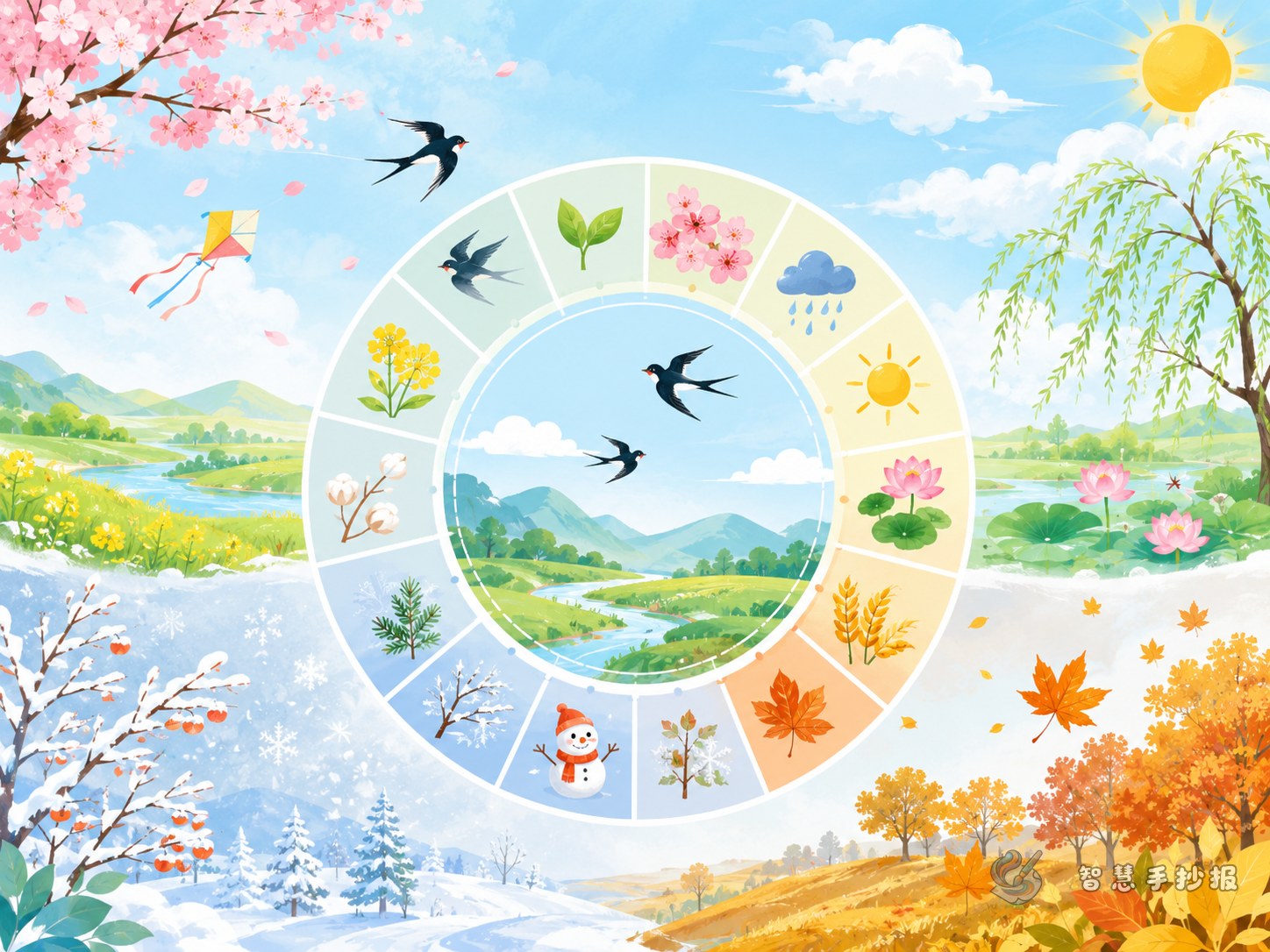
This topic works well with a circular layout, a timeline, or a four-season grid. Put the main title in the center, then arrange small content blocks around it to show the flow of the year.
- Center: Main title with small decorations like sun, raindrops, snowflakes, and leaves.
- Top left: A short introduction to what the 24 solar terms are.
- Top right: Pick two solar terms from each season and summarize the weather.
- Bottom left: Daily life changes such as clothes, food, school activities, and travel.
- Bottom right: My observations, written in a simple diary-like style.
If there is enough space, you can also add a yearly solar-term timeline with names only, without long explanations.
Ready-to-use text materials
Short introduction
The 24 solar terms are a traditional way of marking seasonal changes based on the sun’s yearly movement. They reflect weather patterns, natural changes, and farming rhythms. By learning the solar terms, we can better understand temperature shifts, rainfall, and the signs of each season.
Seasonal weather features
- Spring: Warmer air, more rain, and growing plants.
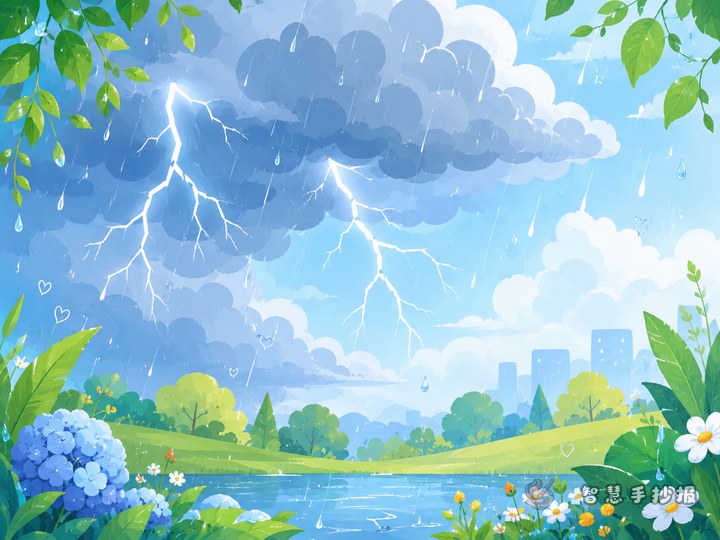
- Summer: Higher temperatures, longer days, and more thunderstorms.
- Autumn: Cooler weather, bigger day-night temperature differences, and clearer air.
- Winter: Lower temperatures, frost, snow in some places, and shorter days.
Short lines for a poster
- The solar terms are like a nature calendar.
- From spring rain to winter snow, weather writes the story of the seasons.
- Watching solar terms means watching the sky, wind, sunlight, and earth.
- Every solar term carries a small sign of seasonal change.
Make it feel like a real poster, not just notes
Many students add too much information, and the result looks like a report. A better idea is to add small sections with short sentences.
- Weather Watch: Examples such as “Around Qingming, rain becomes more common.”
- Life Tips: Summer means sun protection and water; winter means warmth and safety.
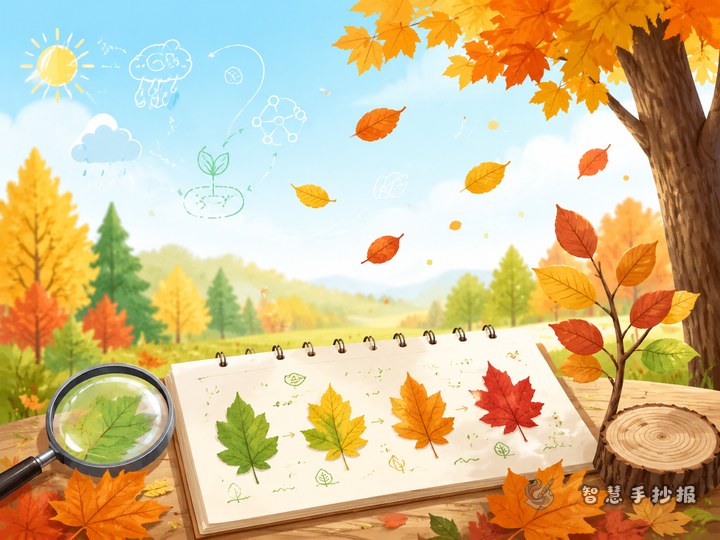
- At School: Spring is good for observing flowers, and autumn is good for watching leaves change.
- My Discovery: Write two or three lines about what you noticed in daily life.
This makes the poster more lively and personal.
Colors and drawings that match the theme
This topic looks great with four-season colors. Use light green and pink for spring, blue and green for summer, orange and brown for autumn, and pale blue or silver-gray for winter. Keep borders simple and clean.
- Spring: buds, swallows, flowers, light rain
- Summer: sun, lotus leaves, clouds, lightning
- Autumn: wheat, maple leaves, fruits, dew
- Winter: snowflakes, scarves, pine trees, ice crystals
Use a few small drawings to divide sections, but do not overcrowd the page.
A simple ending that completes the poster
You can finish with a short conclusion: the 24 solar terms record weather changes and help us notice the beauty of nature through the year. When you connect weather, seasons, and daily life, your poster will feel more complete and meaningful.
If you want to keep improving the layout or add more materials, you can continue in the Zhihui Shouchaobao WeChat mini program for more poster-making ideas.