Start with a clear focus: fire safety after an earthquake
This type of handwritten newspaper works best when it explains why fires may happen after an earthquake, what to do when danger is found, and how students can protect themselves. Instead of writing only general safety reminders, it is better to build the page around real-life situations so readers can quickly understand the risk of secondary fire hazards.
You may use titles such as “Why Fire Prevention Matters After an Earthquake,” “Post-Earthquake Fire Safety Tips,” or “Stay Safe from Secondary Disasters.” A focused title makes the whole page easier to plan.
Useful sections to include on the page
1. Why fires may happen after an earthquake
- Damaged wires may cause electrical short circuits.
- Gas pipes may loosen and leak.
- Fallen objects may knock over candles or lighters.
- People may use open flames in panic, creating extra danger.
2. What to do when a hazard is found
- Stay calm and leave the dangerous area first.
- If you smell gas, do not turn on lights or touch electrical switches.
- Turn off the gas valve and power supply only if the area is safe.
- After reaching an open area, tell teachers, parents, or rescue workers.
3. Fire safety actions students can remember
- Do not gather around smoke or damaged buildings.
- Do not go back inside to get belongings.
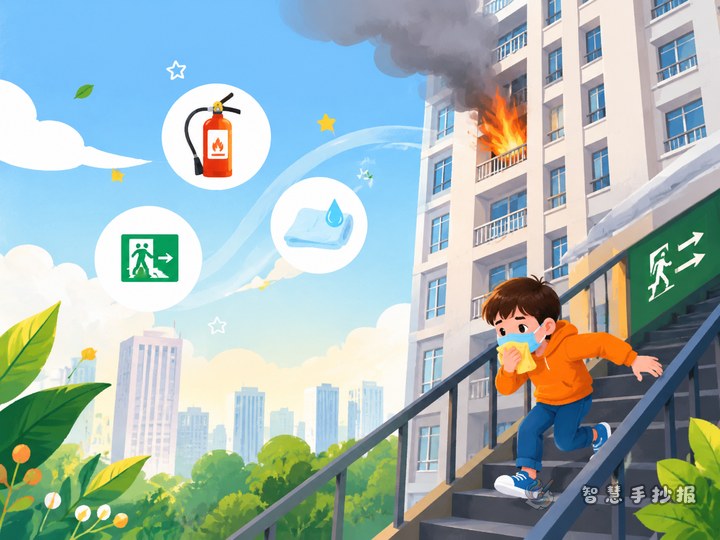
- Cover your mouth and nose and move low if there is smoke.
- Remember the fire emergency number and how to ask for help.
Short text materials you can copy
Simple and memorable lines make the page more eye-catching. Here are a few examples:
- After an earthquake, fire safety still comes first.
- Check safety before touching power or gas.
- If you smell gas, do not switch on lights or use fire.
- Stay calm, do not crowd, and leave in order.
- Disaster prevention starts with careful habits.
If you need one more line, you can add a short rhyme: “When shaking stops, do not rush; look around and think. Watch power and gas with care, and stay away from flames.”
Layout ideas that fit this topic
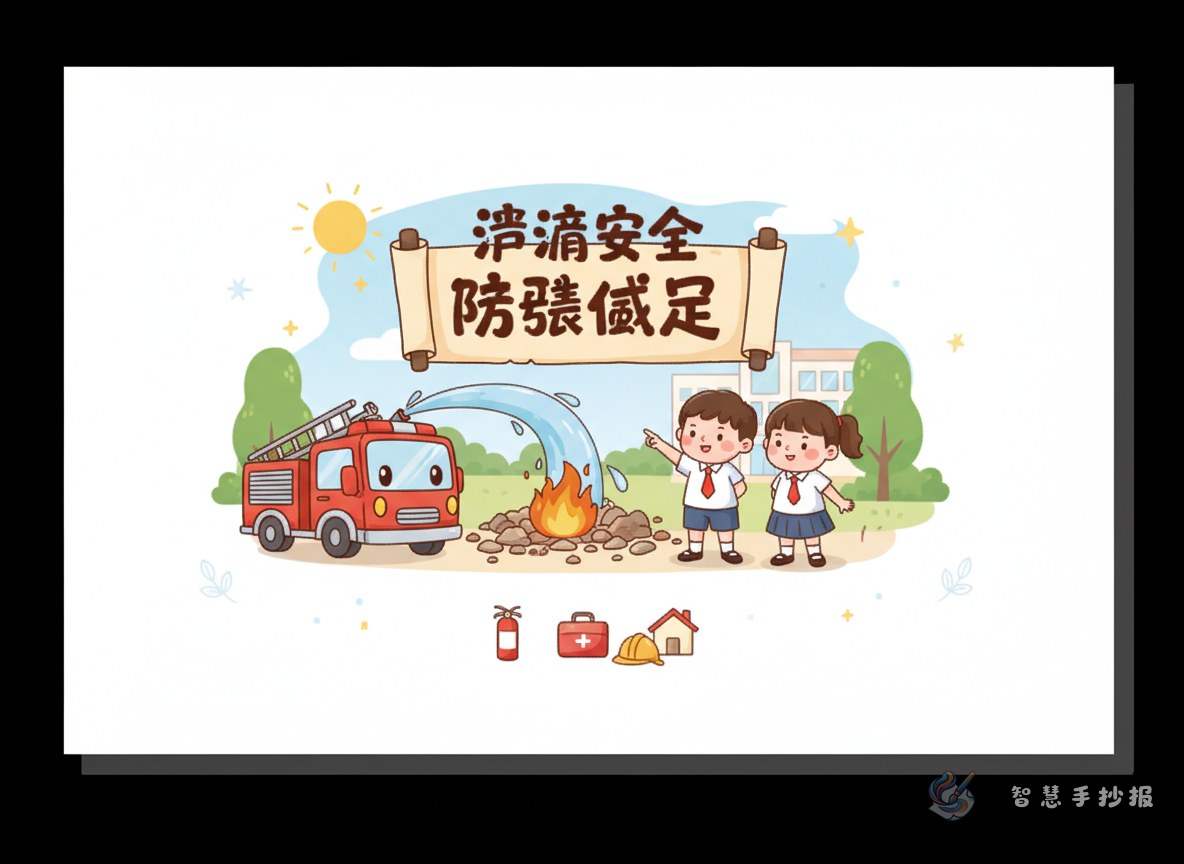
Instead of filling the page with flames, try a warning area + action area + reminder area layout. Put the main title at the top center, use one side for fire risks after an earthquake, and the other side for emergency steps. The bottom part can hold slogans or a safety checklist.
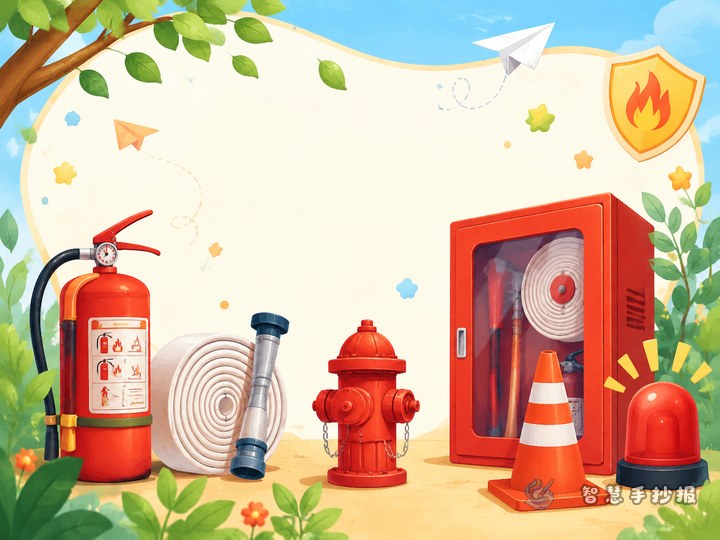
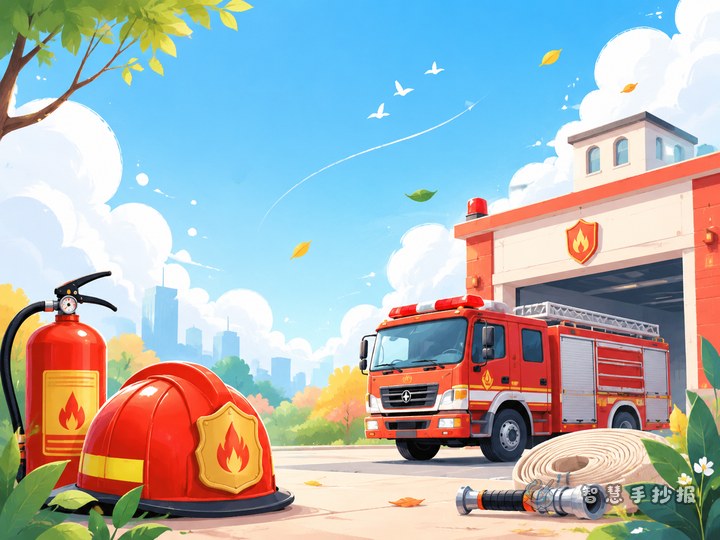
For colors, red and orange can show fire safety warnings, while blue or green can make the page look balanced. Small drawings such as a fire extinguisher, alarm bell, cracked wall, gas valve, or escape arrows work well without making the page too crowded.
Common mistakes to avoid
Many students spend too much space explaining earthquakes and too little on fire prevention. This topic is stronger when it highlights how to prevent secondary fire hazards after an earthquake. A practical balance is about 30% causes, 50% actions, and 20% reminders.
If you want to continue improving the title style, border design, icons, and full-page arrangement, you can explore more page ideas in the Smart Handwritten Newspaper WeChat mini program.