Start with a clear angle: connect Qingming food with the festival spirit
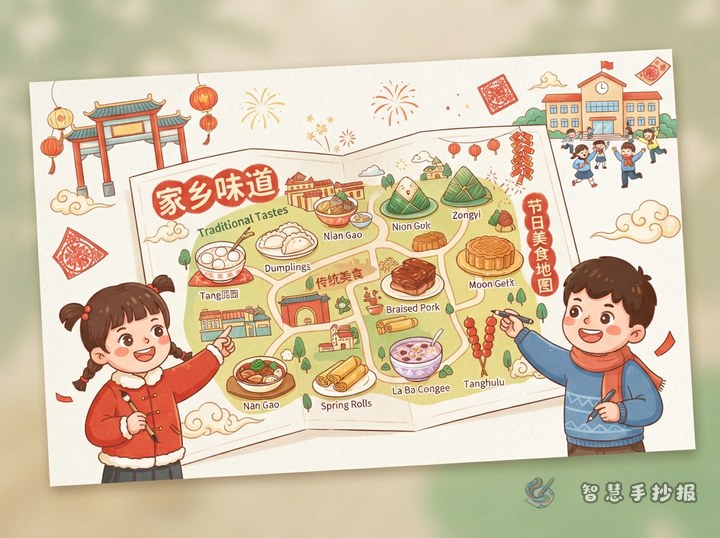
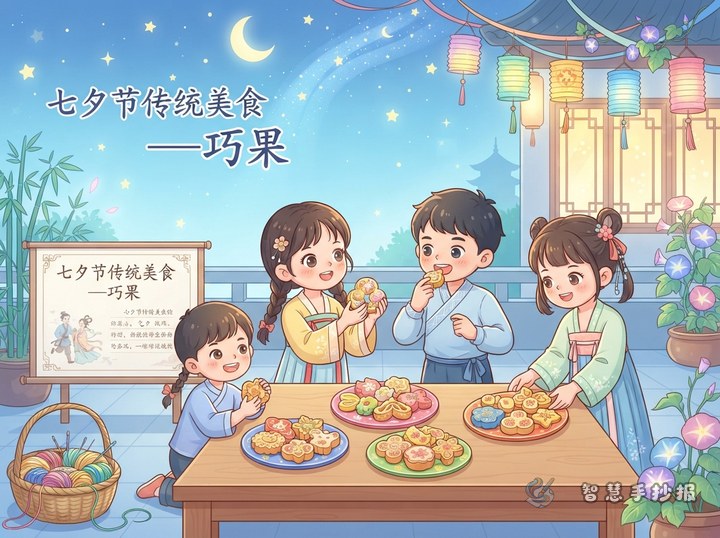
If a Qingming Festival poster only talks about tomb-sweeping and spring outings, it may feel too common. Adding qingtuan, sanzi, and cold-food customs makes the topic more distinctive and closer to traditional food culture. A good angle could be “What people eat during Qingming,” “The meaning behind Qingming foods,” or “From Hanshi to Qingming food traditions.”
For the title area, students can decorate with willow leaves, soft rain lines, or round qingtuan shapes. Light green, pale yellow, and sky blue work well for a fresh spring look.
Useful sections for a student poster
Section 1: Why does Qingming have special foods?
This part can explain the connection between Qingming, springtime, farming season, outdoor activities, and older cold-food traditions. Keep it simple: these foods are not only seasonal, but also carry feelings of remembrance, renewal, and family tradition.
Section 2: A mini guide to Qingming foods
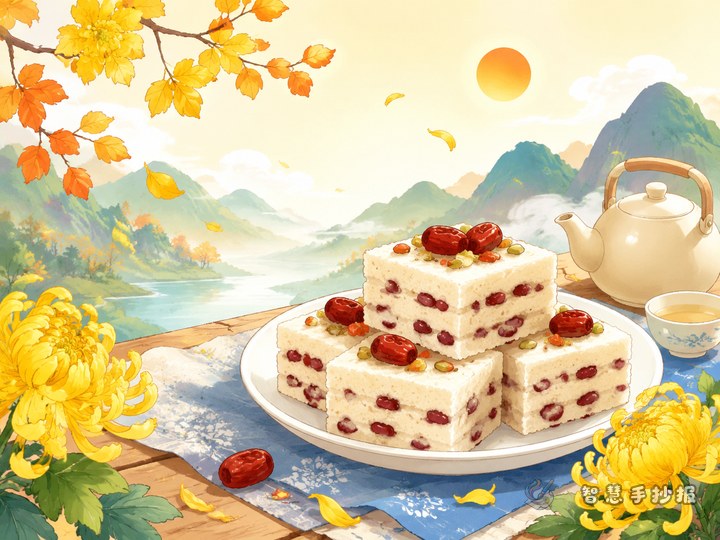
- Qingtuan: Soft, green rice cakes often made with mugwort or similar spring herbs, showing the colors and freshness of spring.
- Sanzi: A crispy fried flour snack found in some regions around Qingming.
- Zitui steamed buns: Foods linked with festival stories and local customs.
- Eggs or spring wild vegetables: Seasonal foods that reflect spring eating habits in some places.
Section 3: My favorite Qingming taste
This can be a highlighted box about qingtuan. Students can describe its color, ingredients, taste, and meaning. It is easy to write and easy to decorate.
Ready-to-use writing material
Short sentence material: During Qingming, spring is everywhere, and traditional food also carries culture. The fresh smell of qingtuan and the crisp taste of sanzi are more than flavors. They are part of holiday memories.
Intro material: Qingming Festival is not only a time to remember loved ones, but also a season to enjoy nature and welcome spring. Many places prepare seasonal foods, and qingtuan is one of the most well-known examples. Its round shape and green color remind people of new grass and growing life. Festival foods make traditions easier for children to understand and remember.
Ending material: One Qingming food can hold a whole memory of folk custom. Writing these tastes into a poster helps traditional culture become visible, readable, and memorable.
How to arrange the layout neatly
A practical layout is “big title in the center, two side sections, and a bottom note area.” Put “Qingming Festival Food Culture Poster” in the center. On the left, explain the tradition and food customs. On the right, introduce signature foods such as qingtuan. At the bottom, add a box like “What I learned” or “Qingming foods in my hometown.”
- Use a larger hand-drawn title with willow branches, birds, or qingtuan around it.
- Text boxes can be shaped like leaves, clouds, or fans for a spring feeling.
- Keep each section short, about three to five lines, so the page does not look crowded.
- Use a unified color palette, mainly green with a little pink or light brown.
Small details that make the poster better
Try not to only list food names. A stronger poster explains why people eat them, what they mean, and how they connect to the festival. Students can also add one personal sentence, such as “I think qingtuan feels like spring wrapped in sticky rice,” to make the work warmer and more lively.
If you want to keep improving the layout, title style, or section ideas, you can also continue making your poster in the Zhihui Shouchaobao WeChat mini program.