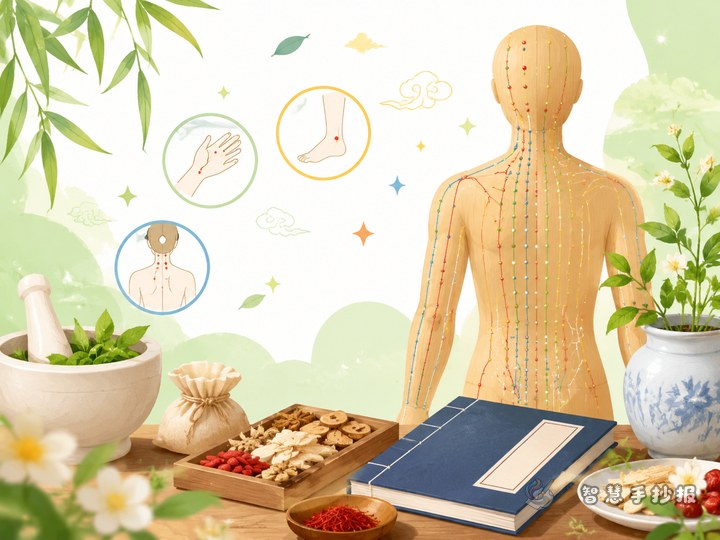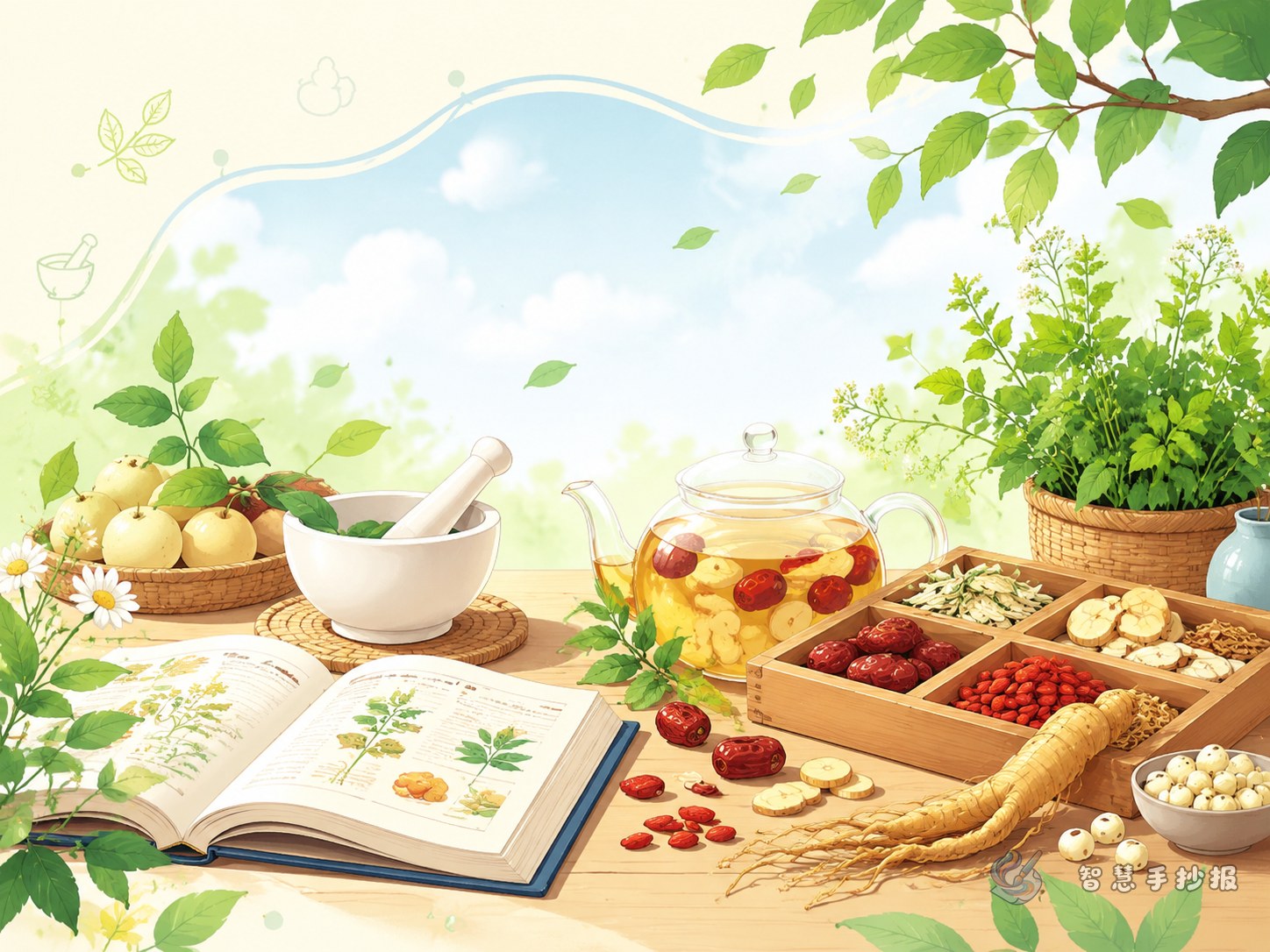
Start with a clear angle: everyday food and traditional wellness ideas
A good handwritten newspaper on this topic can focus on the idea that some everyday ingredients are connected with traditional wellness culture. This angle is easy for children to understand because it links the topic to familiar foods at home. Keep the writing simple, practical, and suitable for school reading.
Under the main title, add a short introduction explaining that traditional Chinese medicine culture is not only about herbs, but also about seasonal habits, balanced meals, and healthy routines. It is also helpful to remind readers that daily care should be reasonable and that they should ask parents, teachers, or doctors when they feel unwell.
Ready-to-use content blocks for the newspaper
Block 1: What does “food and medicine sharing the same roots” mean?
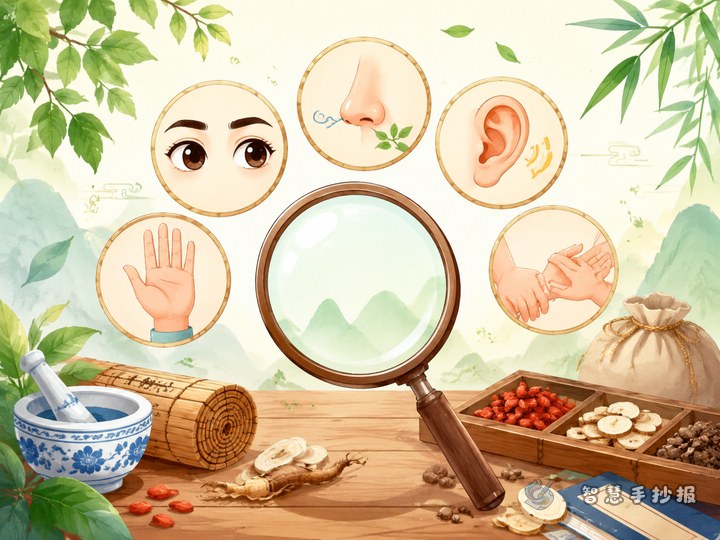
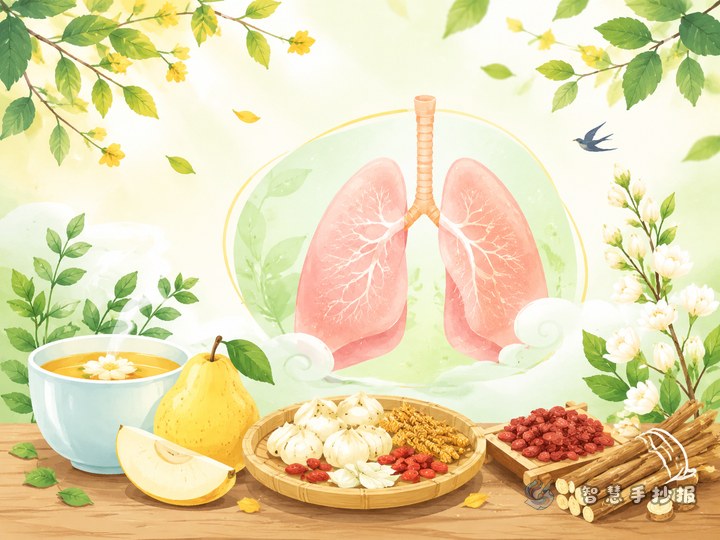
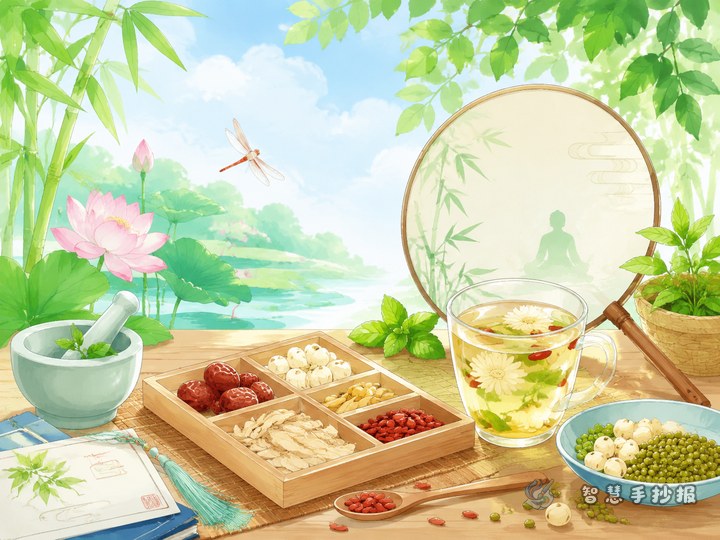
You can explain that some ingredients are commonly used as food in daily life and are also mentioned in traditional wellness practices, such as red dates, Chinese yam, lotus seeds, and ginger. They belong to daily diet culture and should not be treated as a replacement for medical care.
Block 2: Common ingredient cards
- Ginger: A familiar kitchen ingredient often used in soups and warm drinks.
- Red dates: Sweet and common in porridge or soup, often seen in family meals.
- Chinese yam: A popular ingredient for steaming or soup, easy to include in a healthy food section.
- Lotus seeds: Often used in porridge or sweet soup and give a mild, gentle feeling.
- Lily bulb: Can be added to soup and is often mentioned in traditional wellness topics.
Block 3: Health reminders
- Useful ingredients should still be eaten in moderation.
- Meals can change with the seasons, but balance is important.
- Do not try unknown herbs casually.
- If you feel sick, seek proper medical help instead of using random folk remedies.
A layout that looks complete and easy to read
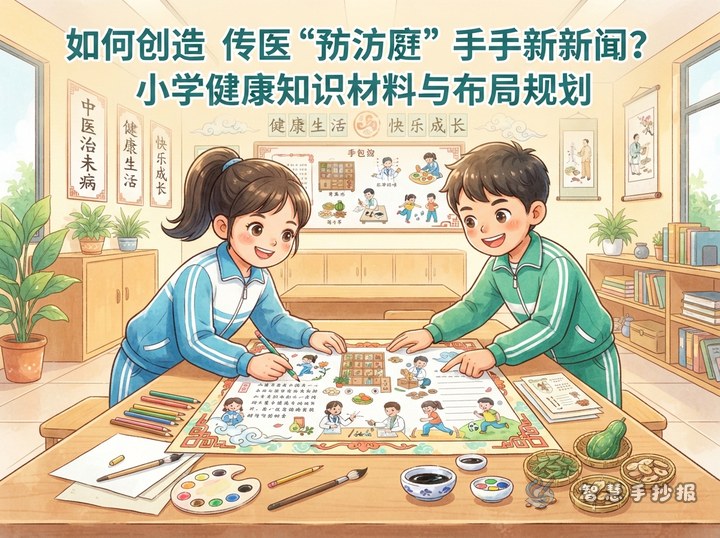
This topic works well with a center title plus four side sections layout. The main title can be something like “Wellness Ideas from Everyday Foods” or “Food and Traditional Chinese Health Culture.” Around the title, children can draw leaves, bowls, grains, or simple medicine jars to create a warm and natural feeling.
The page can be divided into four parts: concept explanation, common ingredients, health reminders, and seasonal diet tips. Another good option is a “knowledge card wall,” where each ingredient gets its own small box. This makes the page neat, lively, and easy for elementary students to copy by hand.
How to make the content richer without making it hard
If there is extra space, add a small section such as “Healthy foods in my family.” Children can write simple life observations, for example: when the weather is cold, my family may make ginger soup; when cooking porridge, we may add red dates or lotus seeds. This makes the work feel more natural and personal.
You can also include a short “seasonal tips” box, such as eating lightly in spring, drinking enough water in summer, paying attention to dryness in autumn, and keeping warm in winter. Each point can be just one or two short sentences.
Simple making tips for students
- Write the main title larger than the body text and use natural colors like green, brown, and warm orange.
- Keep each paragraph short so the page does not look crowded.
- Add simple drawings such as red dates, ginger, grains, lotus pods, or a small herbal jar.
- Use borders with leaves, vines, or soft cloud patterns to match the theme.
- Check the final draft to make sure food ingredients and medicines are not confused.
If you want to continue arranging the page, changing title styles, or adding more content blocks, you can visit the Zhihui Shouchaobao WeChat mini program to keep making your handwritten newspaper more easily.