Start with a shared reading moment
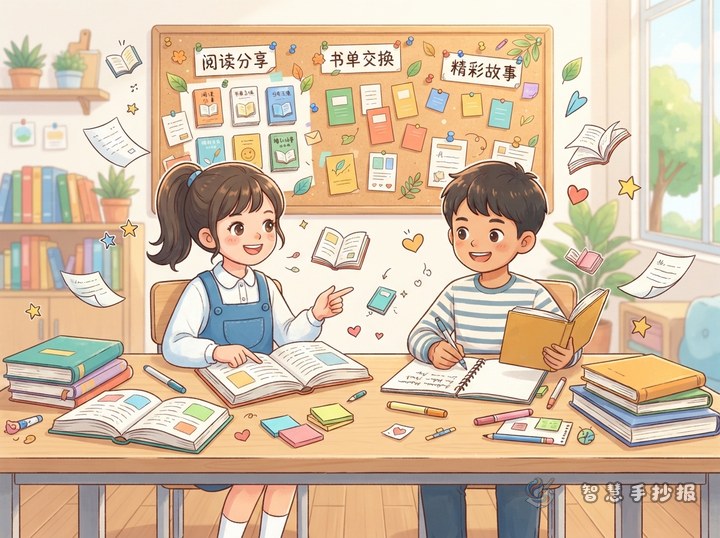
A good parent-child reading sharing poster should not read like a plain summary. It should show that reading happened together. You can begin with one clear theme, such as the book we read together, our bedtime reading story, or a book that made us talk a lot. This makes the poster feel warm and personal.
Choose sections that show interaction
Instead of filling the page with long paragraphs, use a few focused sections.
- Book card: title, author, and one-sentence reason for choosing it
- Child says: favorite plot, character, or funny moment
- Parent says: what the child learned or what impressed the parent
- Reading together: when and where you read, and how you felt
- Best quote: one short sentence from the book or from your family discussion
Short writing ideas that work well
Keep the language simple and natural. You can write lines like these: “We read this story before sleep.” “I liked the brave little character.” “My parent said reading together made our evening calmer.” “This book taught us to be patient and kind.” These short expressions fit well in a poster and are easy for children to use.
Plan a warm and balanced layout
You can place the title in the top center and divide the page into left and right parts. One side can be for the child’s ideas, and the other for the parent’s thoughts. A small middle area can highlight a quote or reading gain. Use soft decorations such as bookshelves, reading lamps, stars, bookmarks, or speech bubbles. Avoid packing every corner with text.
Make the poster look lively but not messy
Use two or three main colors, such as light blue, warm yellow, or light green. Draw simple borders and small icons to connect the sections. If the page still feels empty, add a mini reading checklist or a tiny “next book we want to read” corner. If you want to keep improving the poster, you can continue trying more styles and layouts in the WeChat mini program.